
If you purchase an item through links on this page, we may earn a commission. Our editorial content is not influenced by commissions. Read full disclosure.
We’ve all had those times when you’re reading a book outside or cooking dinner, and you hear a ringing in your ear. You look, and it’s a bunch of flies surrounding you, your plants, or your food. Let’s be honest; it’s frustrating and the flies are hard to get rid of.
If you happen to have chickens, ducks or livestock, flies can become an absolute nightmare. So how can you get rid of flies on your property?
Follow these tips and tricks in this article to stop the constant buzzing in your garden and home.

Tips for getting rid of flies outdoors
First, you will need to determine the main food source that attracts flies. Most of the time, there will be a specific area attracting these insects, such as piles of organic matter and food bins.
1. Detect food sources

If you’re trying to build a sustainable, eco-friendly farm, you’ll likely have compost piles around your property. While it’s great for the environment, it can also serve as an ideal breeding ground for flies.
If you have a bunch of houseflies in your compost, something is wrong. You probably have the wrong mix of green and brown waste. Healthy compost will contain soldier flies, but no house flies.
It’s not just farms with livestock that experience fly infestations, but urban areas are also likely to struggle to control fly numbers if there is trash accessible.
You will notice that more flies appear in the summer, so it is crucial to monitor food scraps, trash and compost at this time of year to avoid swarms of flies.
Walk around your space every few days and try to spot small clusters of flies. This way, you can identify the most popular areas and eliminate waste quickly.
Always pick up trash at least twice a week to keep things under control. Here are some other things to do that will keep flies from visiting your property:
- Always use tight-fitting lids on food or waste containers
- Regularly clean up livestock or pet droppings
- Pick up leftover food
- Dry out water areas
- Keep compost piles away from home
If you maintain a frequent cleaning schedule, you should be able to catch any problems before the flies take full control of your property.
2. Welcome natural predators

Sometimes it’s easier to work with nature than to work against it.
Another way to get rid of flies on your farm is to encourage local wildlife to help reduce fly populations. Many birds and bats like to eat flies.
You can welcome birds to your farm by attaching birdhouses to trees, providing birdbaths, and leaving food in feeders.
If you have a pond, it is also beneficial to have frogs. These amphibians love to consume adult flies and their larvae.
3. Use fly traps

Traps are a classic method to help get rid of flies on a farm. There are several different types to consider.
You can use fly paper, another name for sticky resin strips impregnated with insecticide, or hang sticky ribbons. Most people use fly paper and tape around trash cans to catch flies that like to congregate around trash.
Do not use them anywhere your poultry or livestock could get stuck in them. If you’ve ever had to remove tape from the feathers of your chickens, you know what I mean.
Many people swear by lures, which you fill with water and stinky attractant. Flies get in but can’t get out. These are reliable, efficient and organic.
Finally, some gardeners use ultraviolet light traps placed outside in walkways and trees to keep flies away from animals and other compost piles.
4. Turn on the fans

Flies hate wind, so using fans is a smart way to get these insects flying to another location. You can use fans indoors and outdoors in small areas like patios or garden decks. A fan is super useful in the summer if you plan to eat outside.
All you have to do is set up the fan near a barbecue table and you won’t have many flies landing on your meal.
Fans must be strong enough to operate. A lazy ceiling fan will not suffice.
5. Use an electric repeller
Repellent devices that emit repellents are effective in repelling flies and mosquitoes. They only have a range of about 20 feet, so they won’t keep flies away from your property, but they can keep them away from the area where you work or hang out.
Dealing with flies inside the house
Outdoor spaces aren’t the only places in a home where you can have fly problems. It is common to see flies around your kitchen and bathrooms. So how do you get rid of flies indoors?
These pests are attracted to the smell of food, so an open garage, rotting fruit, trash disposal drains, and any uncleaned pet mess is like catnip to them.
As already mentioned, the fans are perfect for indoor and outdoor use. Here are some other options for getting rid of flies in the house:
1. Seal entrances

It can be difficult to keep all the doors and windows closed in a house, especially if several family members live under one roof and it is hot in the summer. However, sealing entrances is essential if you want to eliminate flies.
Always use screens on all doors or windows and consider installing a screen over any small openings like vents. Your mother was right when she told you to close the door or you’ll let the flies in. Flies are attracted to the cooler environment and odors indoors and they will come right in.
You can also apply an adhesive to small holes where flies could enter and ensure that garage doors are not left open for more than a few hours. Ideally, you should leave them closed during the hottest hours of the day and towards the early hours of the evening.
2. Keep plants that get rid of flies

Certain indoor plants are ideal for protecting your home from these insects. An herb garden is fantastic for adding lovely scents to your home and limiting the number of flies entering through windows.
You can plant lavender, mint, lemon verbena or basil to repel flies. Remember to place the herb garden near a window as this is where the flies go most and is the first thing they will smell when they throw down the window.
If you don’t want to plant herbs, you can make a homemade solution of vetiver and cinnamon essential oils and water and spray it around your house. Studies show that these are effective in deterring flies.
You should concentrate the mixture on your window sill, door, and rooms where you often find flies.
3. Insecticides and repellents
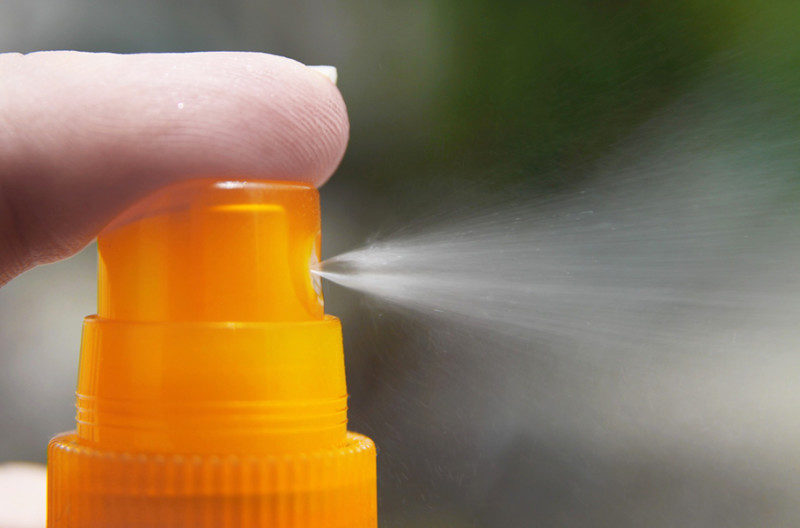
The final solution is to use insecticides and repellents on the flies. Any products containing DEET or permethrin are considered the best option for getting rid of flies.
However, most people don’t want to spray their homes or themselves with chemicals. Try natural methods before using any of these products.
If you keep a tidy house, pick up leftover trash, and use the right tools, you won’t have major problems with flies on your property. Just keep a fly swatter handy for the wandering fly or two that eludes your efforts.
4. Clean, clean, clean

You can never keep your house too clean when it comes to getting rid of flies. If you keep your garbage cans sealed, clean your kitchen and bathroom, clean up pet messes, and fix leaks, you’ll prevent flies from being a food source.
Don’t forget things like dirty dishes in the sink, half-eaten pet food bowls, and dirty shoes that have compost or feces in them.
What you should not do
There are some fly control options that don’t work, but they continue to be sold to people despite their lack of effectiveness. Here are a few things to avoid.
1. Don’t bother with candles

You see it everywhere, the statement that flies and mosquitoes don’t like citronella candles that give off an aromatic scent. The makers say the smoke and scent will deter these insects from approaching the candles.
This claim has been repeatedly denied. These essential oil candles may look good in your garden, but they won’t protect you from flying insects.
2. Forget ultrasonic devices
Again, these high frequency emitting devices do not deter flies. Save your money for things that actually work.
3. Ditch Zappers

These UV light-emitting traps that zap flying insects work on insects attracted to light like some species of moths, but they don’t work on flies.
Was this article helpful?
Yes No ×
We appreciate your helpful feedback!
Your response will be used to improve our content. The more feedback you give us, the better our pages will be.
Facebook pinterest