
Some of the links in the post are affiliate links and I receive a commission for purchases made through some of the links in the post.
Sometimes it seems like houses are getting bigger while front yards are getting smaller.
I remember we had a big front yard, but these days there seems to be less room for plants and more room for the house.
What also strikes me is that plants grown in smaller front yards are sometimes just not suitable.
They may have been bred for larger spaces and require a good amount of space to reach their full potential.
If left unattended, these plants can quickly spiral out of control. This can make the front of the garden look overgrown and cluttered.
Luckily, today we have new varieties of plants that are meant to stay smaller and still look attractive for our homes.
low growth shrubs for the front of the house can look much better than an overgrown plant that looks sloppy.
Look for dwarf varieties
If your front yard is small and compact and you want to make it attractive, consider dwarf varieties of your favorite plants.
Dwarf shrubs take up less space and require less maintenance than tall plants.
This means you spend less time cutting and trimming them. They generally attract fewer pests and are less prone to disease.
Small bushes are also easier to plant than large ones. You don’t need to take the plant out of a large container to place it in the ground.
You never have to put a 5 gallon container in the right position and then place the plant in its hole!
Top 5 low growing shrubs for the front of the house
The following 5 are excellent low growing ground cover shrubs.
1) Creeping thyme
This low-growing shrub will give you a display of small white or purple flowers in late spring. The creeping thyme It spreads well and thrives in full sun.
In fact, it tolerates cold well, grows in poor soils and, once established, is drought tolerant. You can even cut up some leaves to use in the kitchen!
2) purple sage
The leaves and flowers are edible on this plant. It will spread to around 1 meter and reach around 80cm in height.
Trimming the plant after flowering will keep it bushier. You can get more plants by taking cuttings and propagating them.
3) Firepower of Nandina Domestica
This plant grows in sun to partial shade and looks best in a group with other plants.
The leaves turn bright red and copper in the fall, while producing small white flowers in mid-summer.
This plant does not care about soil type and is also frost hardy unless it is very cold for an extended period.
4) Creeping Juniper
It’s one of those plants you walk into and forget about. It is hard once established and comes in different shapes and sizes.
Creeping branches provide a weed-free carpet. Once established, the plant is drought tolerant. He loves the sun!
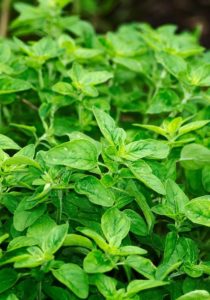
5) oregano
You may have thought it was only used in the vegetable garden, but it is actually an excellent ground cover shrub.
It develops dense clumps of leaves that smell divine.
Oregano has small flowers in summer and likes full sun.
And yes, you can cut some for cooking or even keep it at your desired height.
You may also be interested in: How to Use a Tree of Life in Your Landscaping?
What are the best small flower bushes for your front yard?
1) azaleas
It is one of my favorite bushes. They come in beautiful shades of purple, coral, pink, peach, and white.
They work very well when planted in groups. Azaleas are both evergreen and deciduous (where they lose their leaves in winter), so check the label before buying.
2) dwarf rhododendron
The dwarf rhododendron is a very hardy plant, growing no taller than 3 feet. They are ideal for containers or small gardens.
Perfect for pushing along the driveway. They are hardy and will bloom well each spring. They do well in full sun or partial shade.
3) Abelia
Once established, this plant tolerates cold well.
It develops beautiful pink, peach and purple flowers.
It gives off a delicate sweet/spicy aroma that you will notice more in the early hours of the night.
4) Caryoptera
Butterflies and bees love this plant which produces bright blue flowers in late summer.
This makes them ideal for when other plants begin to shed their flowers as they begin to bloom. They like full sun and do well in groups.
5) Hydrangea Sparkler
This plant only grows up to 3 feet tall and about as wide, making it ideal for small spaces. The flowers are conical and white, turning red/pink.
East hydrangea Bengal plants enjoy at least 6 hours of sunlight a day and if they have this condition they will reward you with mountains of flowers every year. They are also tolerant to -40 degrees F.
Where do you plant shrubs for your house?
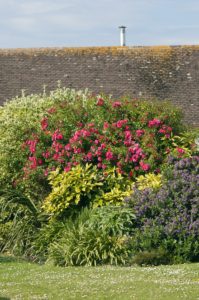 It’s a good question and people can often go wrong by planting shrubs in places where they just don’t fit or don’t do well.
The shrubs in front of your house can be called foundation plants. They elevate the entryway and even add value to your home.
They give an “attractiveness” to the house and make it a welcoming place.
Many years ago, the most common plants on the front of the house were stiff evergreens that didn’t make the house any more welcoming.
You may want to avoid having large bushes near windows. This is because they can invite bees and other insects into the house during the summer months.
Before planting low-growing shrubs for your home, consider the shape of the house. This will determine which plants you choose and where you plant them.
formal houses
They are like the pictures we drew when we were children: a house with a door in the middle and symmetrical windows on each side. If your home looks like this, try using more formal types of plants.
Mirrored plants are often attractive with this style of home. Avoid plants that obstruct the view of your home and stay away from lonely beds in the center of the lawn.
Shrubs placed in the corners of the house give it a softer look, while making the house appear larger than it actually is.
In a formal garden, a garden path can be lined with similar plants leading to the front door and kept neatly trimmed and tidy.
country houses
This style of home benefits from asymmetrical plant arrangements and more relaxed layouts.
The area around the front door will be a focal point and can be filled with colorful bushes in interesting shapes.
Bare walls can have a trellis work area where plants cover the wall and grow taller rather than just bushes.
In both house styles, windows should be kept free of plants so as not to obscure the entrance of light.
small front yards
Homes with small front yards are better suited to a variety of potted plants than to the ground.
Pots are not only easier to move, but also easy to fill and keep small rather than scattered, and should be pruned annually.
It is possible to grow small trees in front of the house, but be aware that they will eventually need to be planted in the ground and may outgrow the small garden.
Final Thoughts: Top 5 Low Growing Shrubs For The Front Of The House
 Low growing shrubs for the front of the house can be a challenge. It is easy to plant a small bush without knowing how big it will be.
Unfortunately, many plants are removed because they are simply not suited to where they are.
It is worth visiting your garden center to see what plants they have for specific areas of the garden.
Most plants are categorized by size and distribution, so you have a good idea of the size of the mature plant.
As tempting as it may be to buy that big geranium, make sure you have enough room to reach full growth before parting with your cash.
Plants that are too tall for the site will not do well. They may even die because they constantly fight with others for food.
It pays to buy plants that are suitable for the location you plan to use, rather than buying plants because they are cheap or look good.
A little research will show you the right plants for the right place and you’ll enjoy them for years.
Before you go, here are some more related articles that I encourage you to read below to solve more of your gardening problems:
How to landscape with potted plants
How long should I wait to plant after stump grinding?
Written by: Valerie Holyoak