
You may have come across the term “nativars” before and wondered what exactly they are. After all, there are so many different botanical terms to become familiar with, and more neologisms are popping up daily.
We’ll explain what they are, how they came about, and what roles they play in healthy ecosystems.

What are Nativars?
The word “nativar” is a portmanteau of the words “native” and “cultivar”. As such, plants that fall under this definition are intentionally crossed between native plant species and cultivated specimens. The goal here is to take the best attributes of both plants to create an ideal offspring.
Like all offspring, they will have varying genes from both parents.
One might look like a clone of the parent plant, while the other might look more like dear old daddy. And every once in a while, the genes fall into perfect balance. As a result, this Goldilocks offspring could have intensified fragrance, ideal growth form and bright inflorescence.
In nature, plants will evolve and change and they will hybridize with other closely related species. These are not considered nativars, but rather natural variations of the upright species.
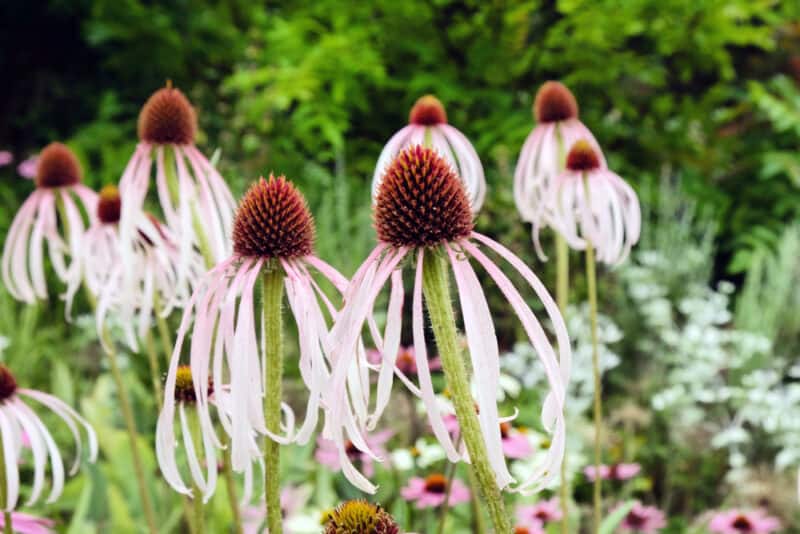
To help illustrate this concept, imagine a native purple coneflower plant versus some of the many cultivated types like those with large double flowers.

These large, double flowers are more difficult for bees to pollinate, but many people prefer the larger, more colorful flowers.
How are they beneficial?
The main reason nativars can be hugely successful is because they are selectively bred. As mentioned, these have been bred to show off their best and brightest attributes. These complement and complement each other to create ideal specimens.
Essentially, it is genetic modification by organic means. If you’ve ever watched Gattaca, it’s a similar approach.
Let’s say you have a native species that is vital for feeding local pollinators. The problem is that it is very susceptible to a pathogen like powdery mildew.
So you take a cultivated species that is resistant to this pathogen and cross it with the native species. Some of the resulting offspring will strike a perfect balance between the original nourishing pollen species and the disease resistance of the other parent.
As a result, you have a superstar specimen to work with. It will feed native pollinators food they recognize, but won’t be badly damaged by the fungus that usually ravages it.
Deliberate cultivation to deter predation
One of the ways nativars can outperform standard native species is through their selective breeding attributes.
By now we are all aware of the decline in pollinator populations and their impact on food security, biodiversity, etc. This is one of the reasons why there are so many “plants for bees”! ongoing initiatives around the world.
That said, many people are hesitant to grow native species in their gardens because they are not considered as beautiful as cultivated plants.
Native species may be considered too small or too large for a formal garden. Also, there may not be as many color options available as for cultivated species. Nativars were primarily bred to be more visually appealing and easier to care for, while maintaining their wildlife-friendly status.
The goal was to strike a balance between their beautiful appearance and the provision of food, habitats, etc. for local species of insects and animals. In many cases, nativars have proven to be more attractive to certain pollinators than native species.
For example, flowers that have been bred for larger, more colorful corollas are much more attractive to insects and hummingbirds.

While some native species outperform nativars in insect preferences, this is not the case for nativars grown to produce purple or reddish foliage. This is because darker foliage contains more anthocyanins: the pigments that give fruits such as berries their blue or purple hues.
These same anthocyanins make the foliage rather unpleasant for insects which usually gobble everything up. As a result, they are turning their attention to greener pastures, literally. This can benefit growers who are typically plagued by insect defoliation.
Are there any downsides to growing nativars?
There are pros and cons to almost everything, and nativars are no exception. For example, traits that attract certain pollinators can have a negative effect on their health.
Those larger corollas we mentioned earlier might be more appealing, but what about pollen and nectar creation? Do these plants produce as much as their native counterparts? Are the nectaries so easily accessible? Will the pollen be as healthy? Nectar as delicious and nutritious?
Also, have these plants been treated with chemicals that could harm native populations of insects and herbivores?
Nativars are often bred selectively for landscaping purposes. A flowering tree that has gorgeous blooms that feed bees, butterflies, and hummingbirds may outgrow a standard yard.
As such, botanists cross it with a shrub cousin to create a smaller growth form. The end result is a dwarf tree or tall shrub with beautiful flowers.
But what effects will cross genetics have on the plant as a whole? And how will the various native species react to their consumption? Seven generations from now, will insects and small animals be healthier and stronger, with thriving populations? Or will paltry nutrients reduce their numbers even further?
Long-term effects on other species
Many native pollinators have evolved over thousands of years to feed on particular species. These are “specialized” feeders. A perfect example of this is how monarch butterfly caterpillars need to eat milkweed (Asclepias spp.) plants.
Monarchs are immune to the bitter cardenolides (toxic steroids) contained in these plants. They absorb and store these steroids and incorporate them into their body tissues during metamorphosis.
As a result, the bodies of adult monarch butterflies will taste bitter if ingested. Any predator that tastes them will bring them back again and learn the lesson of never eating another one.
So what if people create nativars of milkweed species by crossing them with sweeter-tasting relatives? How will this affect insect metamorphosis?
Also, will they continue to taste so bitter to predators? Remember that every change we make ripples through eternity, affecting everything around us. Nothing exists in a vacuum, but rather is connected to literally every other form of life on the planet.
Advantages vs disadvantages
If you’re trying to decide whether or not to farm nativars, the answer will depend on your ultimate goals.
For example, if you are growing plants for aesthetics, you may have better luck with nativars.
That said, remember that pollinating insects will visit many species in your garden: not just the ones you’ve chosen just for them. Nativars are still fairly new to the grand scheme of the ecosystem. As such, we don’t yet know what long-term effects they will have on native species.
If they don’t fulfill the classic role of native plants, your landscape garden can become an eco-desert over time. You can get surprisingly beautiful double flowers and fewer caterpillars. But what effect will these aesthetics have on the local ecology?
Is it more important to you that your plants look good? Or biofunctional? Where are your priorities?
It’s a tough decision, especially if you’re frustrated with the loss of native plants. For example, this is the third year in a row that my tobacco (Nicotiana) and lemon balm (Monarda fistulosa and M. didyma) plants did not thrive.
We lost some to damping off, some to insect predation and the rest to powdery mildew. It has been heartbreaking, but I would be reluctant to plant nativars because I grow them for medicine.
To plant or not to plant?
The nativars being crosses, we do not yet know their medicinal properties. Native species have been true for thousands of years. In contrast, nativars are still babies in the grand scheme of things.
That said, there’s no reason why you can’t enjoy nativars in your garden. The key, like all things, is balance: the middle way.
Mary Phillips of the National Wildlife Federation recommends that people plant 80% native plants and 20% cultivars or nativars if they wish to benefit the planet. This way, specialist feeders will always get the plants they need to survive.
Additionally, native species will be able to remain fairly pure in their own genetic lines. Nativars and cultivars may attract more pollinators, but native species will be the gold standard for foolproof nutrition.
If you are going to plant nativars, make sure they are completely different species from your other plants. For example, all of my medicinal plants are native and purebred species, but my hollyhocks and peonies are nativars.
This way there is less chance of cross-pollination with native plants. You will be able to enjoy the smell, the beauty and even the flavor of all nativars without eliminating the genes of the native population.
Was this article helpful?
Yes No ×
We appreciate your helpful feedback!
Your response will be used to improve our content. The more feedback you give us, the better our pages will be.
Facebook pinterest