
Image – Flickr/Amanda Slater
Humans and poisonous plants have always had a love-hate relationship: on the one hand, some seem so beautiful and so easy to maintain that we don’t hesitate to plant them in our gardens; however, when they are news (and they are almost always news for causing someone’s death or urgent admission), we don’t want to know anything about them at all.
Well, from my point of view, I think what is needed is to find the middle ground, which is to learn to identify them and deal with them. Everyone knows that there are people who consume certain dangerous herbs for pure pleasure, without thinking of the consequences; And of course, then comes the regrets. So in this article I will tell you what are the poisonous plants that grow in Spain.
Important note: I will tell you about native plants, but also about other countries that we cultivate a lot here. This way you can decide whether or not to buy them when you go to a nursery.
Oleander (oleander nerium)
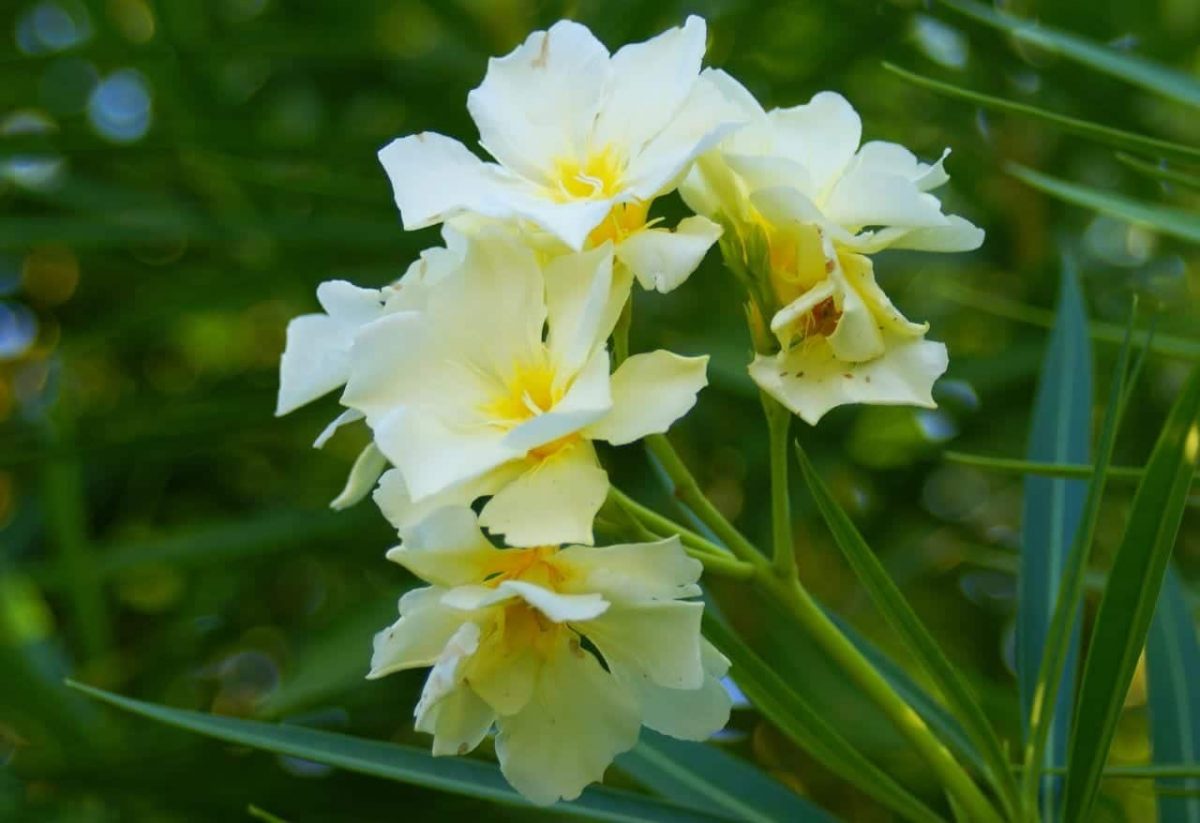
Oleander is an evergreen shrub native to the Mediterranean region. It grows to about 3 meters tall and has long dark green, lance-shaped leaves.. It blooms all summer, producing pink, red or white flowers, which is why it is widely used to beautify gardens.
Now well, all parts are toxic if swallowed, which can end at least with pain in the stomach. In extreme cases, the heart may stop and as a result the person may die.
poppy (Papaver somniferum)

Image – Wikimedia/Linda Kenney
The opium poppy is an annual cycle herb native to the Mediterranean region. It can reach 1.5 meters in height and produces lobed or sometimes pennate green leaves.. It blooms in the spring. Its flowers are pink, lilac or white and measure about 4 centimeters in diameter. Care must be taken not to confuse it with the poppy (papaver rhoeas), because although they are genetically related, the poppy is not poisonous (it is slightly poisonous if eaten raw in large quantities, but if the leaves are boiled, they lose their toxicity). Also, poppy flowers will never be red.
Another important point is that of the Papaver somniferum you receive a drug: opium the long-term effects of which include addiction, muscle aches, constipation, brain fog, and an increased risk of heart and/or lung disease.
Anthurium (Anthurium)
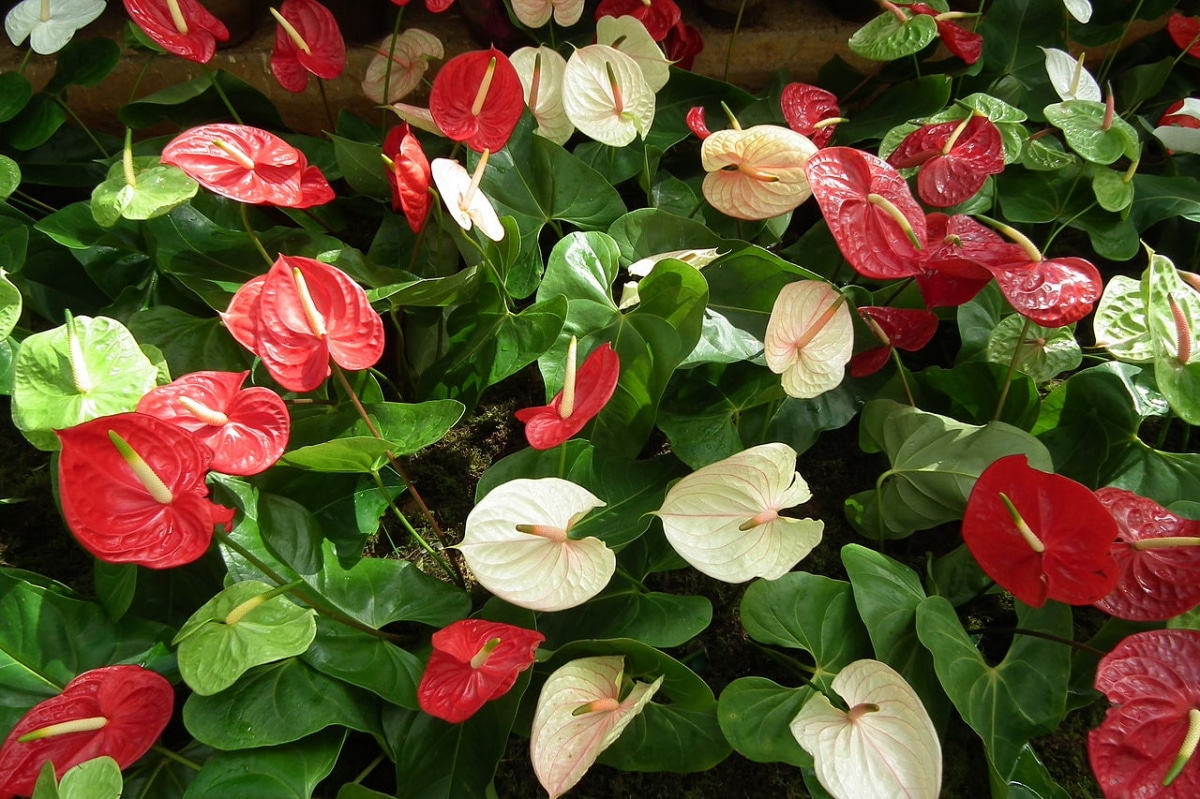
Image – Wikimedia/Rameshng
Anthurium is an evergreen shrub native to the tropical forests of America. In Spain it is one of the most popular indoor plants, as it is very decorative. It can be about 1 meter tall and has glossy dark green leaves.. Depending on the variety, its flowers can be pink, red or black.
It is not poisonous, i.e. it is not lethal, but it is it is toxic because the sap contains crystals of calcium oxalate. This causes irritation when it comes in contact with skin and/or eyes. Therefore, if you are going to prune it, you should put on rubber gloves as a preventive measure.
Azalea (Rhododendron simsii Yes Rhododendron japonica)

Image – Wikimedia/Krzysztof Ziarnek, Kenraiz
The azalea is a small evergreen or deciduous shrub – depending on the variety – native to China and Japan. It reaches a height of about 1 meter and has small dark green leaves. In spring they produce very pretty pink, white or red flowers, which is why it is often grown in gardens and patios in Spain.
Now it is important to say that it is a poisonous plant. The leaves and flowers contain a substance called andromedotoxin, which causes dizziness, asthenia, seizures, loss of coordination, low blood pressure, among others.
Cika (Cycas revoluta)

Image – flickr/brewbooks
The cycad is a plant native to Asia that is planted in gardens in tropical, subtropical and temperate regions. It reaches a maximum height of 3 meters, although the usual thing is that it does not exceed 2 meters. It has a false trunk crowned with green, pinnate, leathery leaves. It takes a few years to start flowering, but when it does it produces a round or elongated inflorescence depending on whether it is male or female.
It is very toxic if ingested, so if there are young children, it is better not to plant it. Symptoms may take up to twelve hours to appear and include: vomiting, diarrhoea, fainting or liver failure.
Hemlock (Conium maculatum)
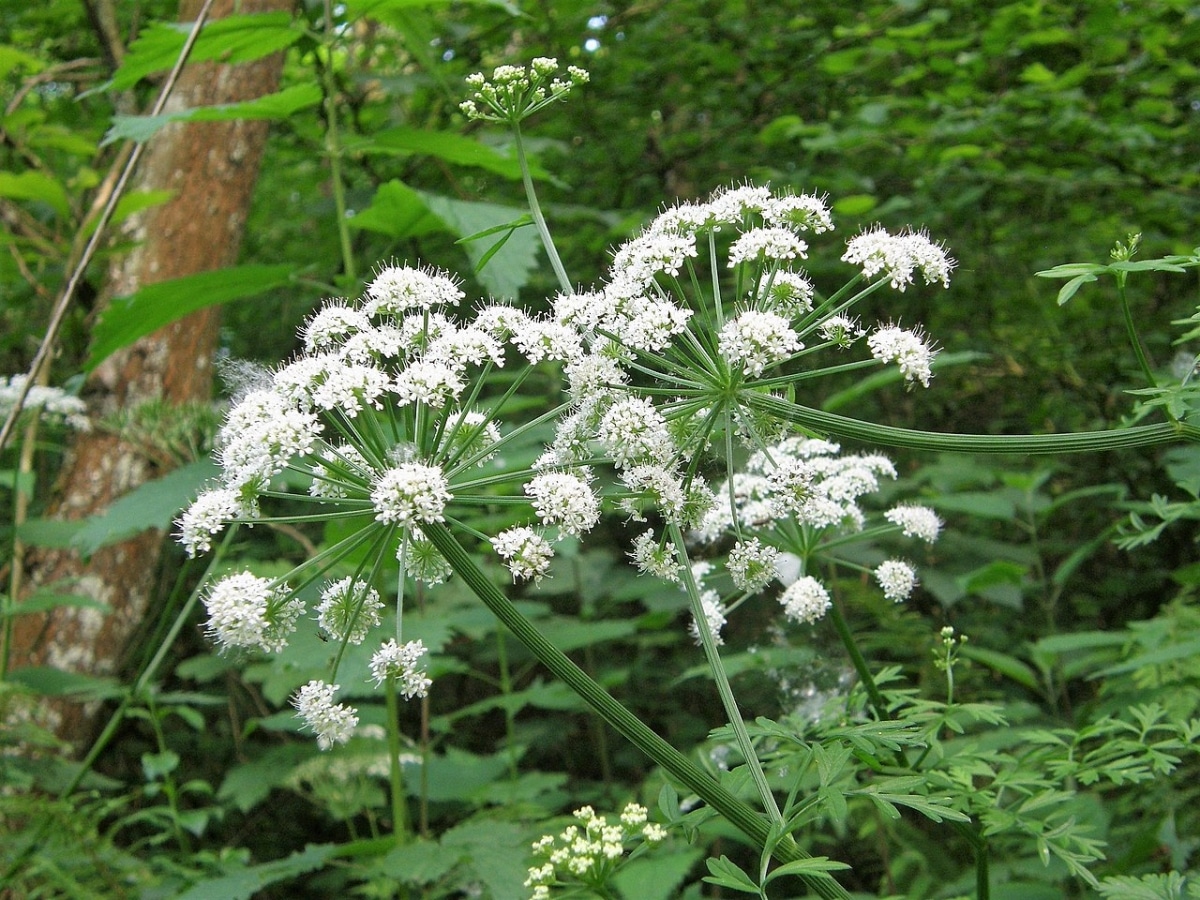
Image – Wikimedia/SABENCIA Guillermo César Ruiz
Hemlock is a European herbaceous plant with a biennial cycle that grows on roadsides, wastelands and similar sites. It can reach 2 meters in height, and even touch 2.5 m. It produces tripinnate leaves that give off a very unpleasant smell. And the flowers are grouped in inflorescences and are white.
It is a very poisonous plant. Particular attention should be paid to the fruits, since a few are enough for the person to lose his life. An hour after consuming it, you may experience vomiting, convulsions, drop in body temperature, and paralysis.
Dieffenbachia (Dieffenbachia)
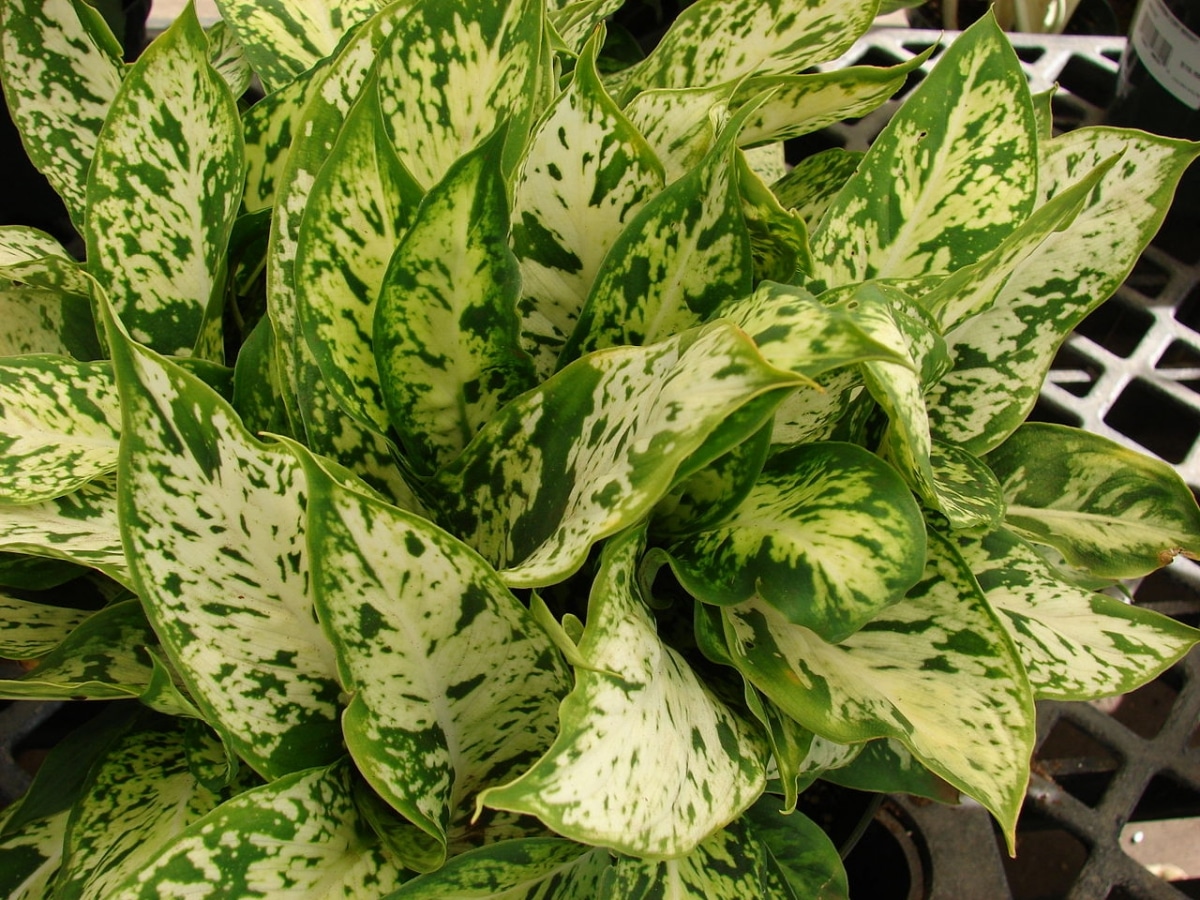
Image – Wikimedia/Forest & Kim Starr
Dieffenbachia is another plant of American origin that we usually have indoors in Spain. Depending on the species, it can reach a height of between 2 and 20 meters in height, and is characterized by green and white leaves. Its growth is relatively slow, so it can live without problems in pots.
But it should never be consumed. Its sap contains crystals of calcium oxalatewhich cause burns, as well as irritation in case of contact with the skin.
Jimson weeds (datura stramonium)
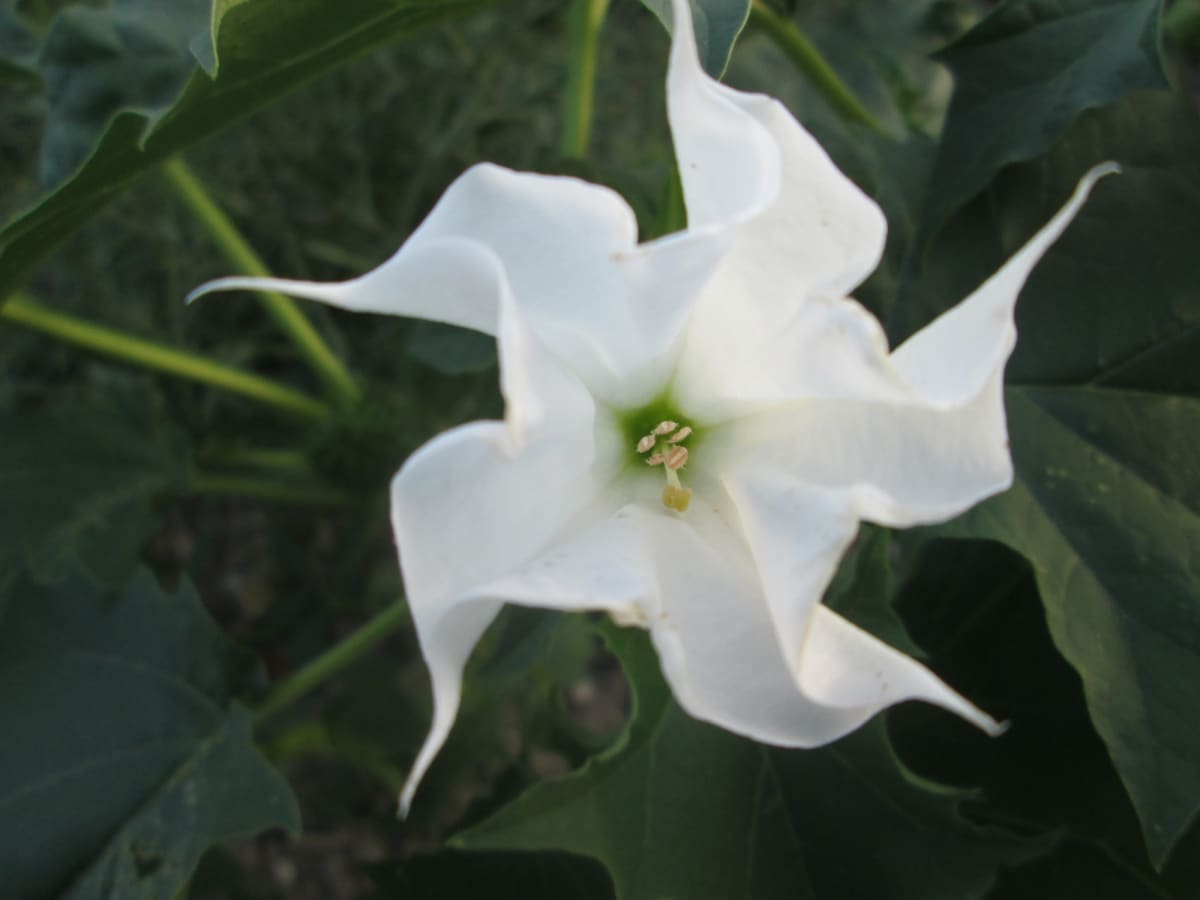
Image – Flickr/Andreas Rockstein
Jimson Weed is an annual herb native to America, but it has become naturalized in many European countries, including Spain, where it grows almost everywhere: roadsides, abandoned land, cultivated land, etc. It can reach 2 meters in height, and develops large green leaves.. The flowers are bell-shaped, white with a lilac center.
Although it has an unpleasant odor, it is often consumed due to its hallucinogenic effects. But it is probably better not to ingest it, because in high doses it is toxicand may cause hallucinations, rapid heartbeat, sensitivity to light (known as photophobia), restlessness and/or blurred vision.
ivy (hedera propeller)
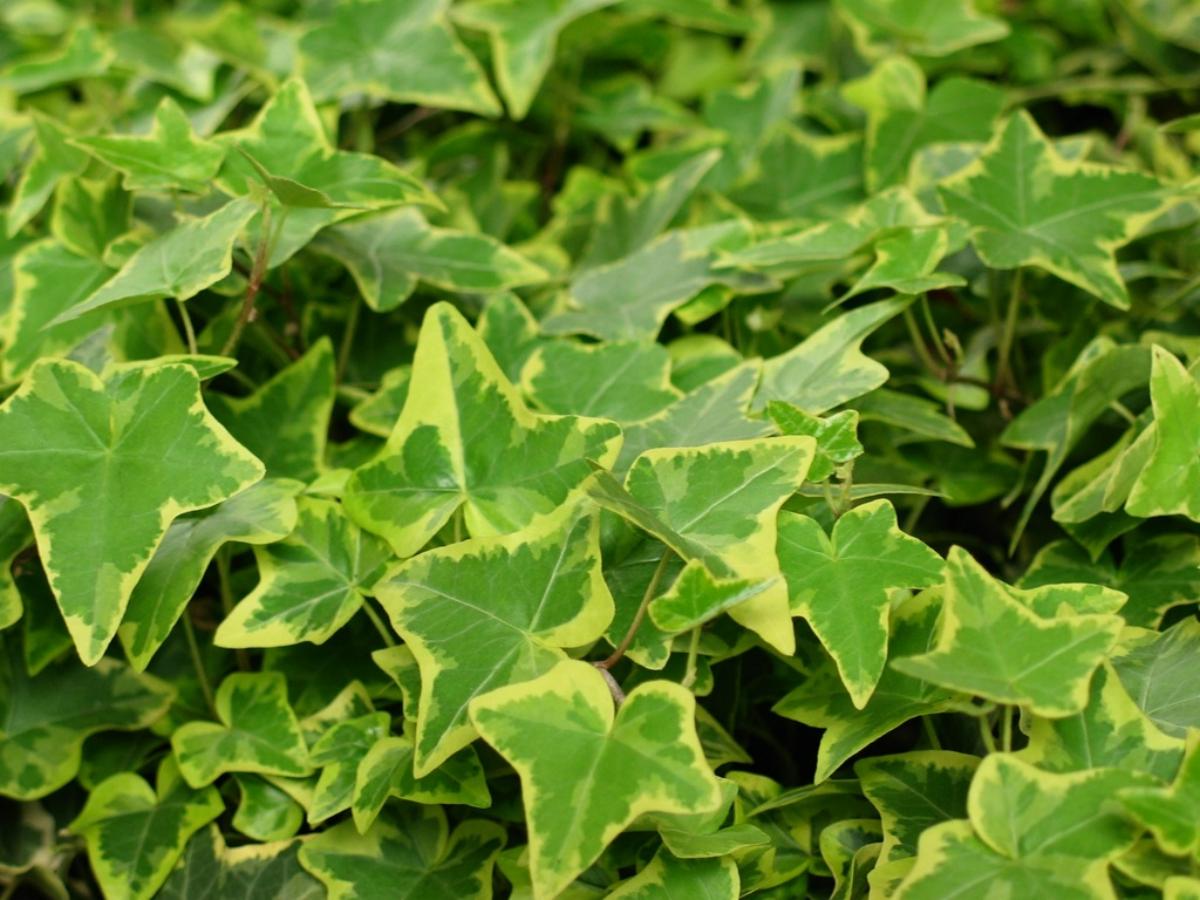
Ivy is an evergreen climbing plant that can be seen in private and public gardens, even indoors. It is native to central and southern Europe, as well as parts of Africa. It is a plant that can grow very tall, reaching 20 meters in length. The leaves are green or variegated, and can measure between 2 and 5 centimeters depending on the cultivar.
It grows in the shade, so it adapts very well indoors. But it is important to keep in mind that its fruits are poisonous and potentially poisonous, since in large doses they can cause coma. In less severe cases, it still causes bothersome symptoms, such as abdominal pain and diarrhea.
Beaver (Ricinus communis)
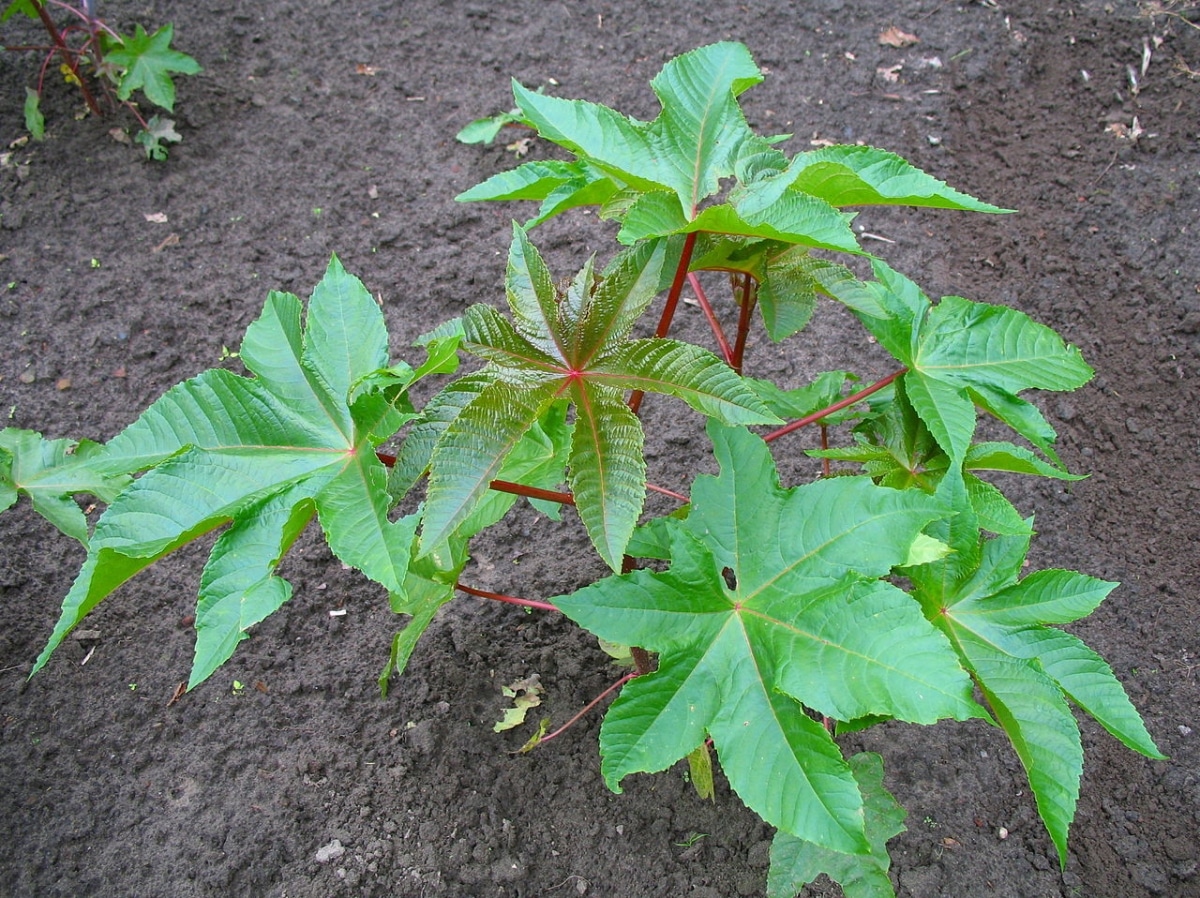
Image – Wikimedia/Marc Ryckaert
Castor bean is an invasive evergreen shrub in Spain, so it is not traded and when seen in the field it is culled (or should be culled). However, sometimes in some gardens we can find it, and care should be taken as the seeds are very, very toxic if ingested; In fact, a few are enough to end a severe case of gastroenteritis, dehydration, kidney or liver problems; and might even die.
The plant has an interesting ornamental value, because its leaves are webbed, relatively large, and depending on the variety they can be green or reddish. It reaches a height of 6 meters, but since it tolerates pruning very well, it is often kept shorter.
Do you know of any other poisonous plants in Spain?