

Image – Wikimedia/Lidine Mia
A broadleaf is that plant, usually tall, which develops a fairly wide crown and which is heavily populated with leaves.. For this reason, it is usually planted more frequently in large gardens than in small or medium ones. And it is that, in my own experience, if you want to have one in a place where there is not much space, so that it looks good and does not cause problems for other plants, you will have to prune it, otherwise as it grows it would give too much shade.
So i think that it is very important to know the characteristics of the deciduous treeand moreover know the name of certain types, since in this way we will be able to enjoy their ornamental value.
What are the characteristics of the leafy tree?

Image – Flickr/Bernard DUPONT
A tree is said to be leafy when it has a highly branched crown full of leaves, which are usually broad and relatively soft. (especially if we compare them to those of pines or yews for example). The trunk tends to thicken over the years and its root system can occupy several square meters.
In nature, they are very, very important, because provide plenty of shade and shelter for some animals, as well as small plants. And that’s not counting the microclimate they create under their glass, cooler than the one far from them.
These types of plants are sometimes called broadleaf trees because the vast majority of hardwood trees have large, broad leaves.
Related article:
What are leafy plants?
Another detail that is important to know is that, generally a leafy tree is a deciduous treewhich loses its foliage either in autumn/winter if you live in an area where the four seasons are differentiated, or before the dry season if the climate is tropical or subtropical where there are months where it rains frequently, and others where it’s a lot less.
Selection of deciduous trees
The hardwoods that we are going to show you are plants that can be planted in gardens where the climate is temperate or subtropical; that is to say that they support the cold and even some important frosts.
Hackberry (celtis australis)

Image – Wikimedia/Sordelli
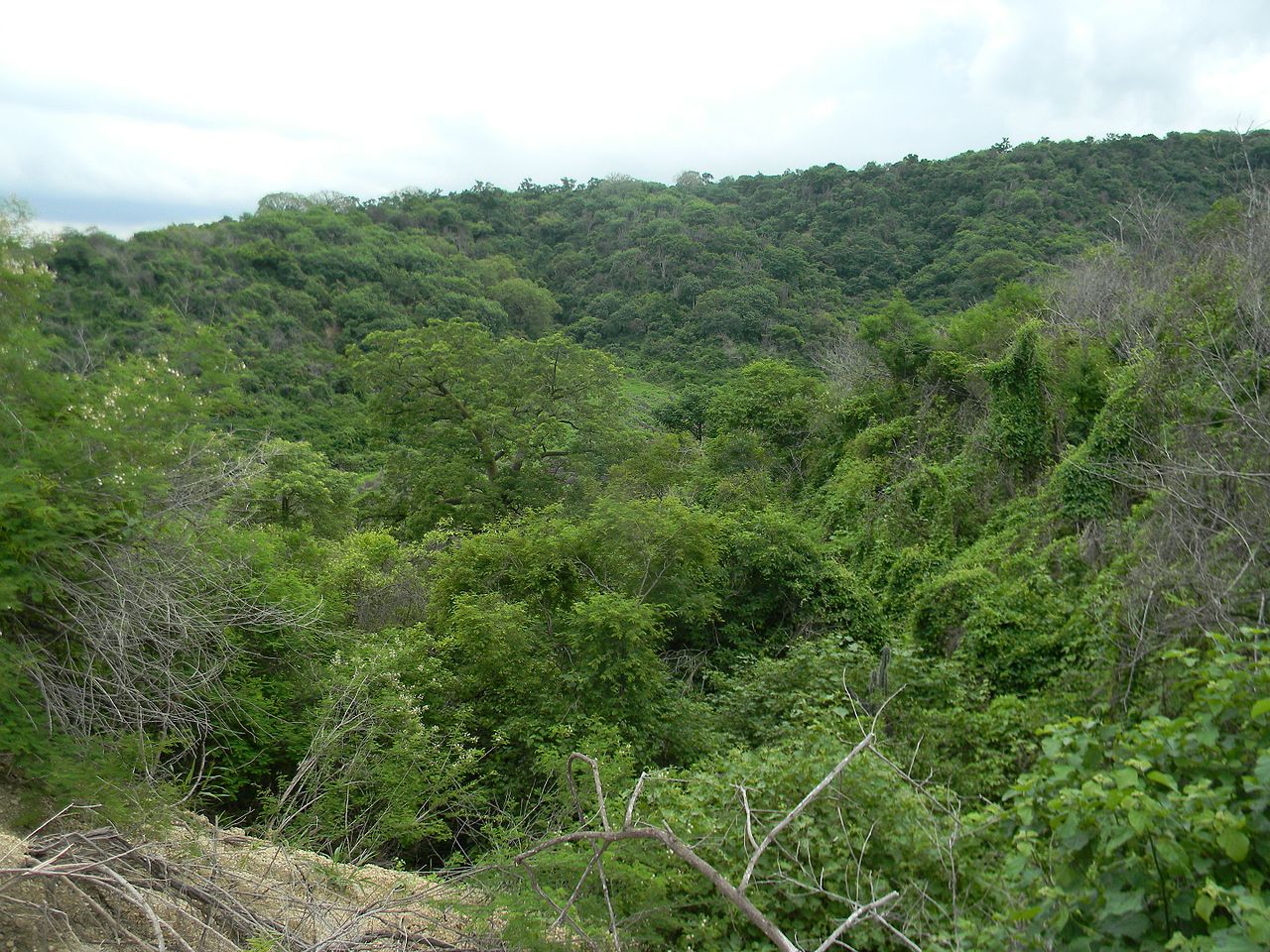
Hackberry is a deciduous tree that reaches 25 meters high. It develops a straight trunk with grayish bark, and a broad crown about 4 meters in diameter. The leaves are green, ovo-lanceolate in shape and have a serrated margin.
Its growth rate is quite fast, and in addition, it is a plant that tolerates drought relatively well thanks to the fact that it evolved in the Mediterranean region, where summers can be very hot and dry. Cold winters do not scare it either, since it can withstand frosts down to -12°C.
iron tree (Parrotia persica)
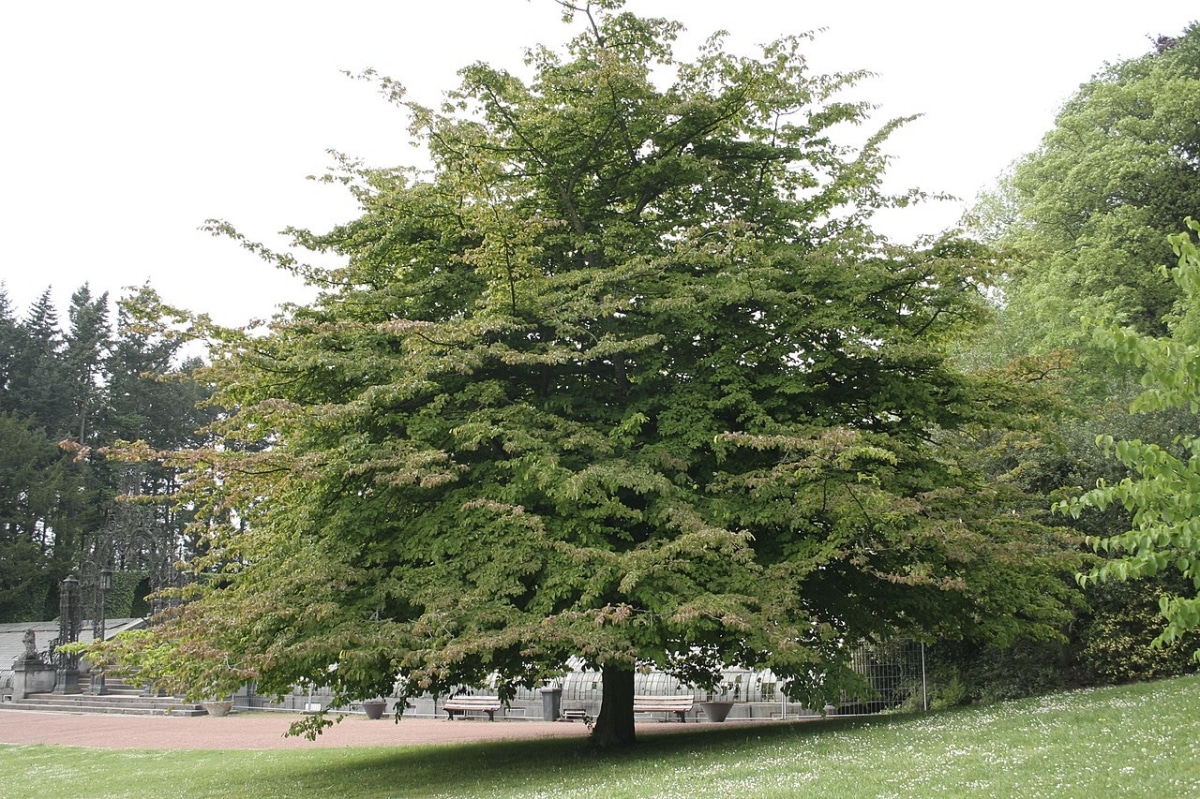
Image – Wikimedia/Jean-Pol GRANDMONT
The iron tree is a deciduous plant that reaches a height of 15 meters, and which develops a crown about 8 meters wide. The leaves are ovoid, green in color although in autumn they turn a beautiful red.
It is a species of great ornamental value, but quite demanding, as it needs a temperate climate and acidic or slightly acidic soil. For the rest, it must be said that it resists frosts down to -18ºC.
Catalpa (Catalpa bignonioides)
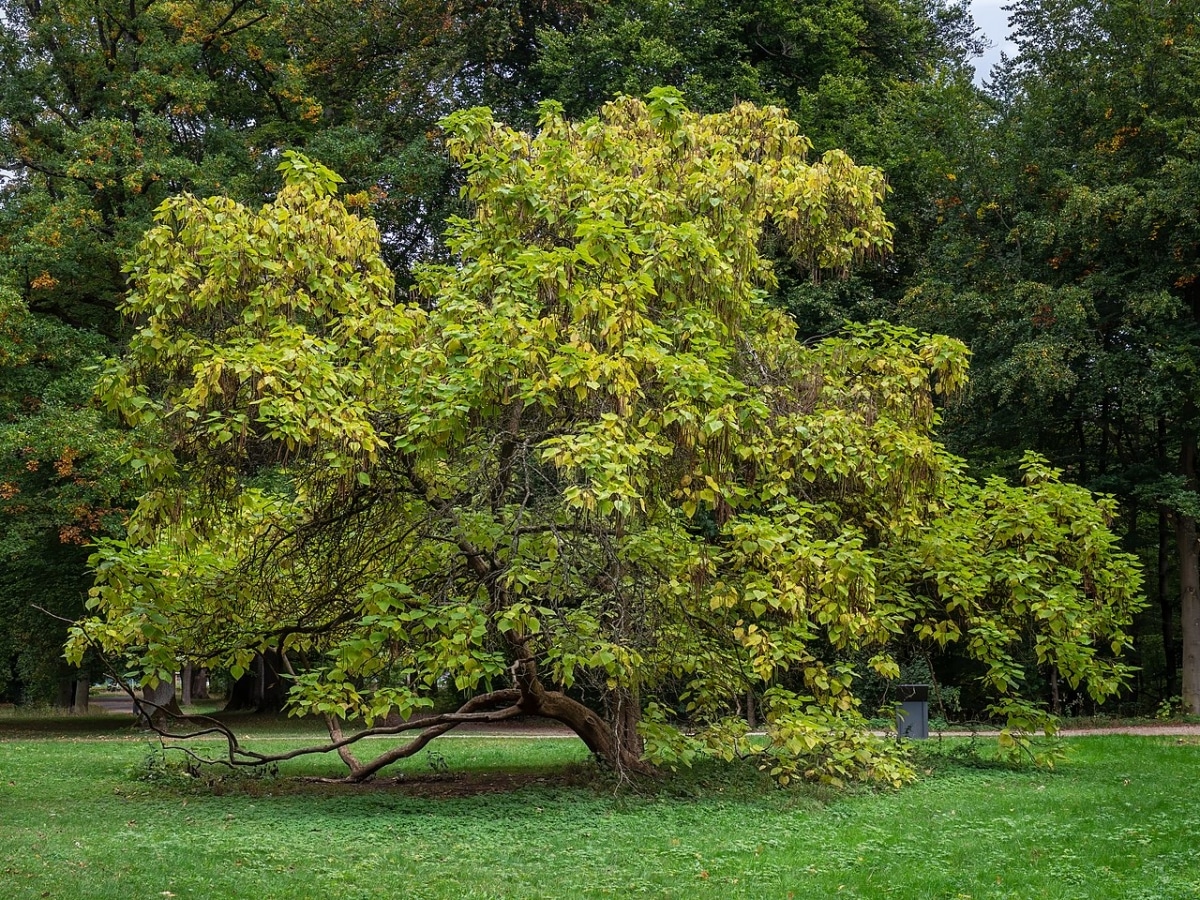
Image – Wikimedia/Ermell
Catalpa is a deciduous tree that reaches 15 meters high, and can develop a cup of several meters in diameter (about 5 meters). The leaves are large, green and taper to a point. The flowers appear in clusters in spring, are bell-shaped and white.
It is relatively fast growing. It resists very well to cold and frost down to -15°C and it is not attacked by heat if it has water at its disposal.
Japanese false chestnut (Aesculus turbinata)

Image – Wikimedia/Jonathan Cardy
The Japanese false chestnut is a deciduous tree that reaches 30 meters in height, and which develops a crown that can reach 4 meters wide. The leaves are webbed, composed of 5 to 7 green leaflets which turn yellow or reddish in autumn. In spring, it produces flowers in erect inflorescences, and they are pale yellow with red tones.
It can be grown in cool and temperate climates, but it is important that it is planted in fertile, moist soil. It is frost resistant down to -18ºC.
fragrant ash (Fraxinus ornus)

Image – Wikimedia/Willow
The sweet ash is a deciduous tree that reaches 20 meters in height, with a crown about 3-4 meters wide. The leaves are opposite, green and bipinnate. In autumn, they turn yellow, orange or reddish. It blooms in the spring, producing flowers in pale cream panicles.
It grows fairly quickly if water is available and the climate is warm temperate. It can withstand short periods of drought (days) if it has been in the ground for at least one or two years, but it is better to water it if you see that the soil is very dry so that it does not get damaged not. It resists down to -15ºC.
East (fagus sylvatica)
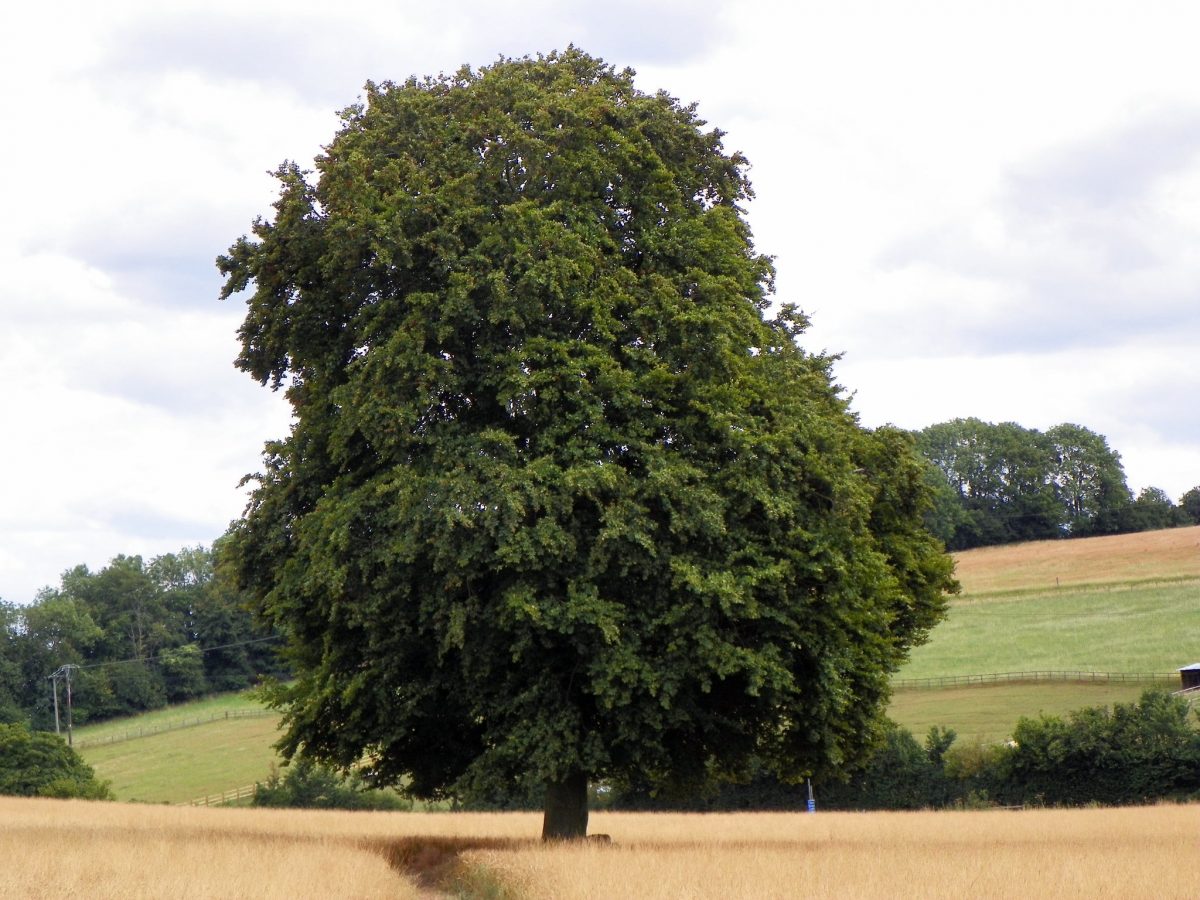
Image – Flickr/Peter O’Connor aka anemoneprojectors
The common or European beech is a deciduous tree of slow growth and long duration -it can exceed 200 years- which reaches 30-40 meters in height. Its trunk is straight, almost like a pillar, with a cylindrical port. The crown is very broad, populated by simple, oval leaves, green or reddish-brown depending on the variety or cultivar.
It grows in temperate regions, in fertile, deep and cool soils. It tolerates frost and snow without problems, as long as it does not occur in the spring. It resists down to -20ºC.
Jacaranda (Jacaranda mimosifolia)
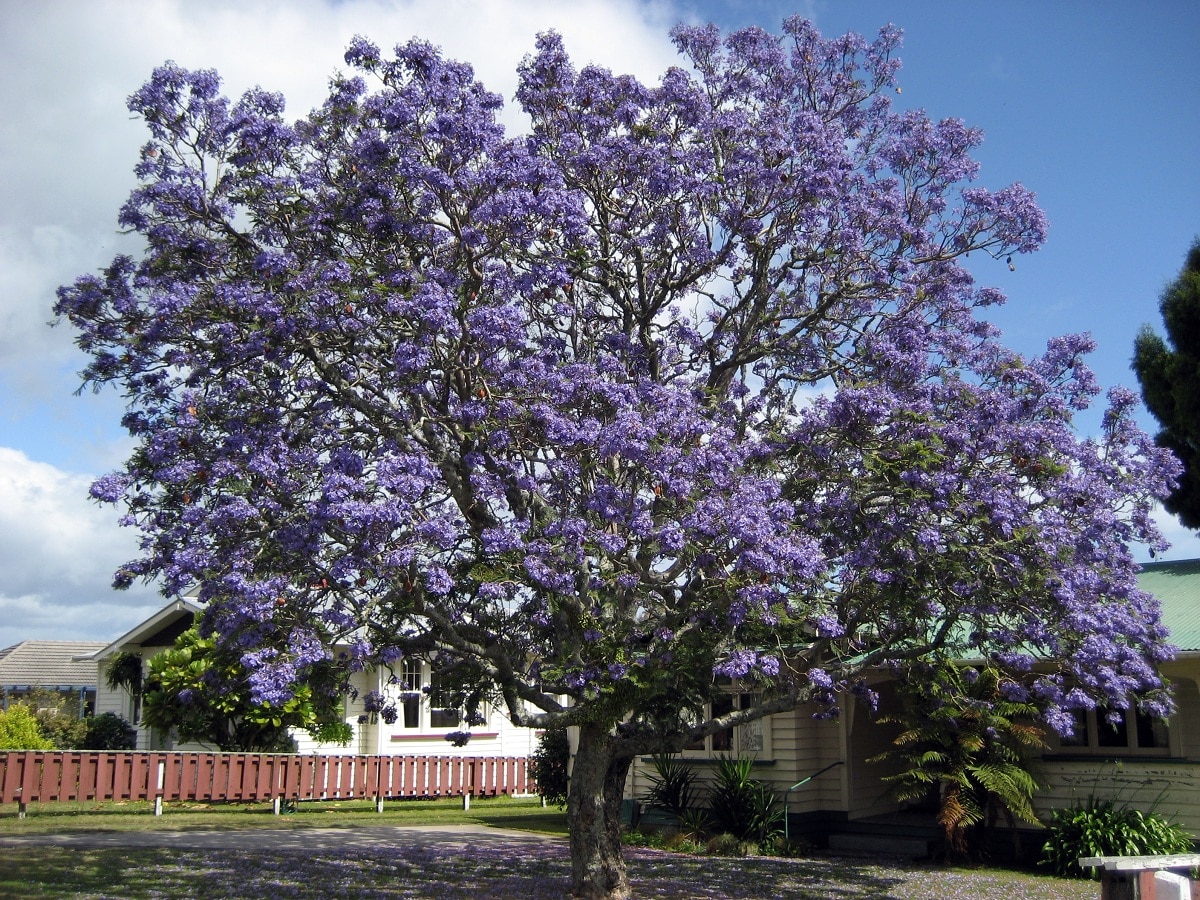
Jacaranda is a tree that may or may not lose its leaves. Everything will depend on whether the winter is cold or not. It reaches about 15 meters in height, although it can reach 20 meters. It develops a broad crown, with bipinnate green leaves. But, without a doubt, what strikes the most are its flowers, which bloom in spring and are of a beautiful lilac color.
It is widely cultivated in tropical, subtropical and mild temperate regions, such as the Mediterranean coast for example. It tolerates occasional light frosts down to -2°C, but it needs protection from the wind.
white mulberry (morus alba)

Image – Wikimedia/Forest & Kim Starr
The white mulberry is a deciduous tree that reaches 15 meters high. Its leaves are about 5 centimeters wide and high, and oval in shape. These are green, but may turn yellow in the fall. It flowers in spring and produces fruit a month later.
It is widely cultivated especially for its leaves, since they are food for silkworms. It grows in places where the climate is temperate, and it resists down to -18ºC.
Oak (Quercus robur)
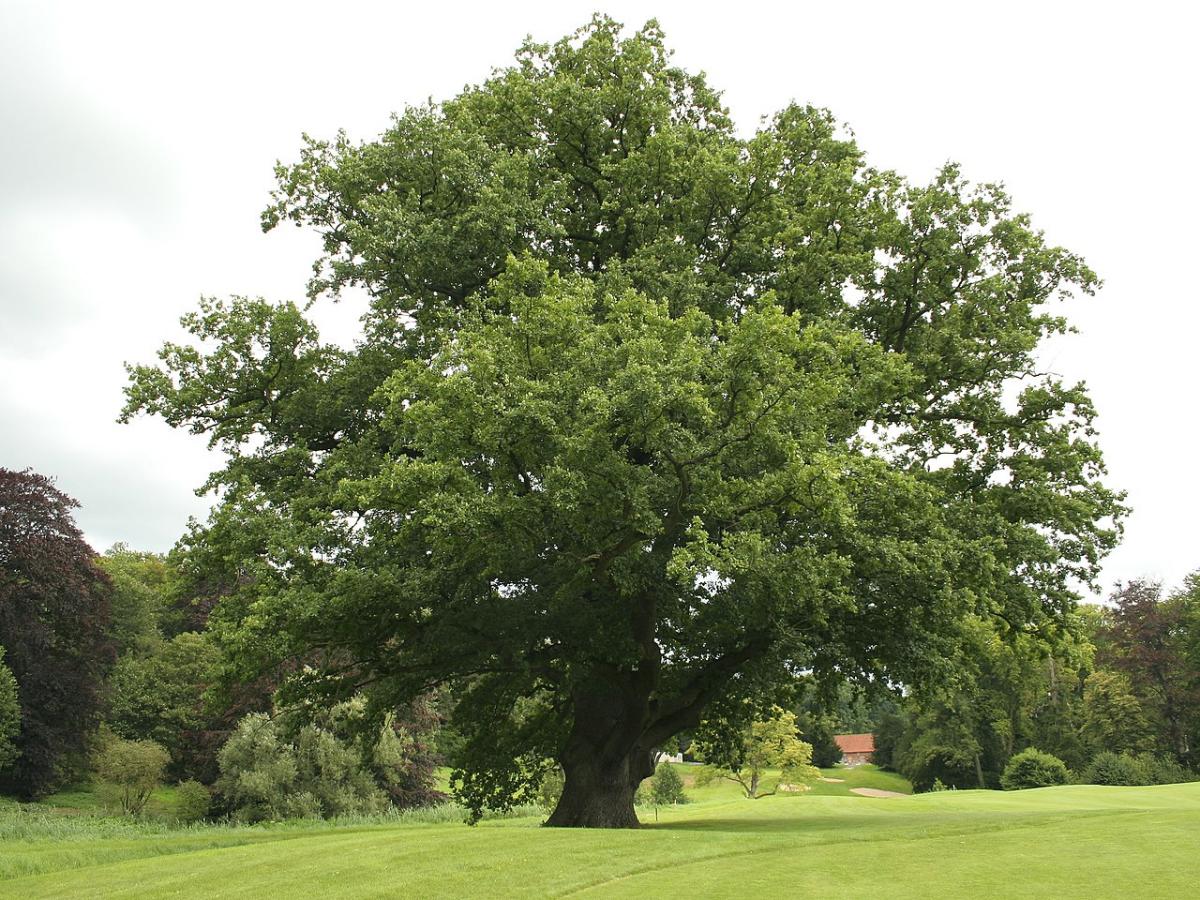
Image – Wikimedia/Jean-Pol GRANDMONT
Oak is a deciduous tree that It can reach a maximum height of 40 meters., with a very wide crown that can reach 6-7 meters in diameter. Its trunk is more or less straight, although it may twist a little with age. The branches are somewhat crooked and green, lobed leaves grow from them. In autumn, they turn yellow, orange and/or reddish before falling.
It grows in soils poor in limestone, slightly acidic and cool. It also needs regular rains, as drought is one of its worst enemies. It resists down to -18ºC.
Broad-leaved lime (Tilia platyphyllos)

Image – Wikimedia/Jean-Pol GRANDMONT
The broadleaf linden is a deciduous tree that grows in Europe. It develops a pyramidal crown, populated with green, oval-shaped leaves. These fall in autumn-winter, but before that we will see that they turn yellow and finally turn brown. Its flowers are small but smell very good and bloom in spring.
It can reach 30 meters high, although the most normal thing is that it does not exceed 24 meters. Plus, it’s frost-resistant down to -20°C, so it can (and should) be outside all year round.
Do you know any other types of leafy trees?