

Alliums are fantastic additions to any ornamental garden. These bulbs are not only the easiest to care for, but their captivating blooms look great wherever they are planted. Plus, you can enjoy a light onion smell in the garden in the summer (if that’s your thing).
While some bulbs are best picked and stored late in the season, alliums require very little maintenance. You have a few options depending on the age of the plant and the general look of your garden, but regardless, the process is very simple.
Related Reading:
About Alliums
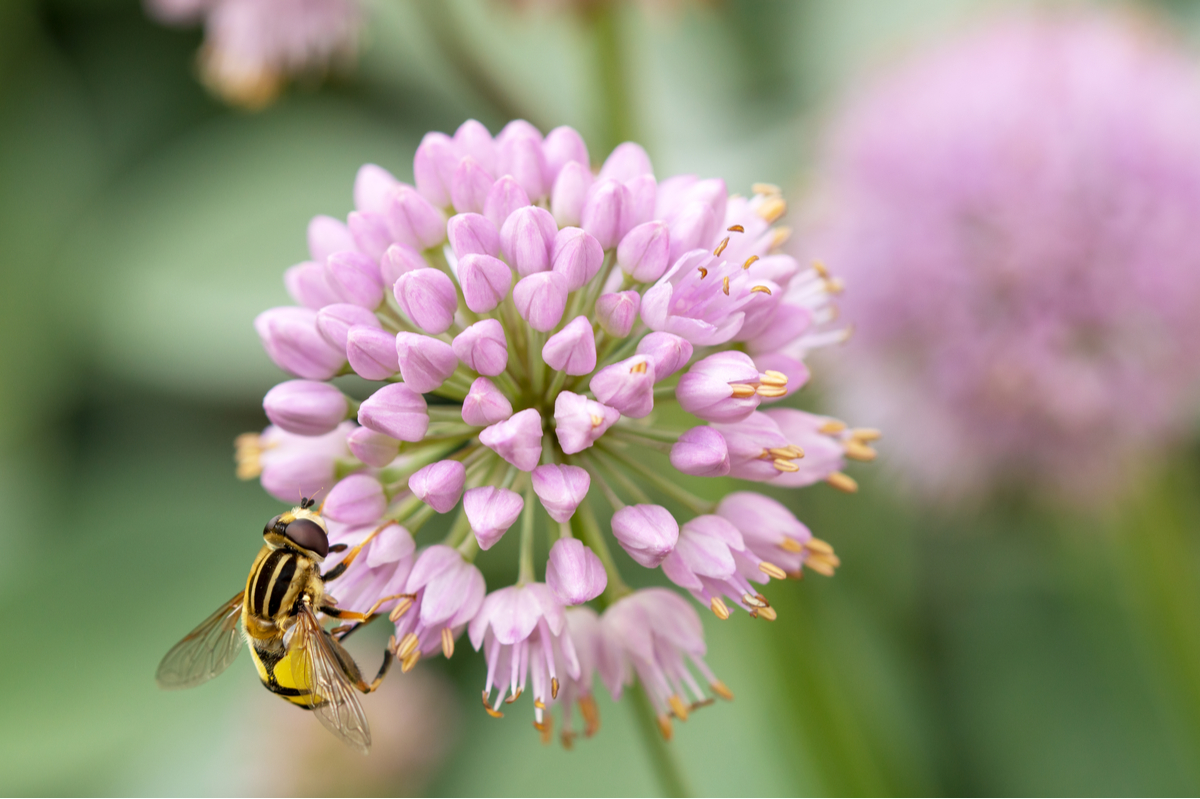
Alliums are a group of flowering plants in the family Amaryllidaceae, related to other popular bulbs such as daffodils. You may know this genus best from the many edible plants it contains, including onions, garlic, and chives.
However, plants of this versatile genus are also often grown as ornamentals for their attractive, round flowers. In these cases, they are commonly called ornamental onions.
The flowers of Allium bulbs are spherical, the size depends on the species and cultivar. Although there are a few colors available, most Allium flowers are a beautiful pastel purple, which complements other purple flowers such as lavender well in a landscape.

These plants bloom profusely and cover the gardens with their lollipops. They look great as single plants, in containers or straight in beds, but look impressive when planted. Mass
Allium Bloom Season

Alliums are usually planted in mid to late fall with other bulbs before the soil hardens. This gives them time to settle in and be ready to reappear when the weather warms up.
Flowering time depends on the species, but usually occurs in late spring or early summer. This makes for an interesting display as the early spring bulbs die off and the summer bulbs have yet to bloom. They bloom for several weeks, blanketing your garden in color during this time.
Planting different species and cultivars also extends the season. Plant mid-spring flowering varieties between mid-summer flowering varieties so the flowers blend together for a continuous display.
What to do with allium bulbs after flowering

Alliums are not difficult bulbs to care for, and that nature extends to their end-of-season maintenance. You have a few options for post-bloom care, depending on what you want from the bulbs, how old they are, and how much effort you’re willing to put in.
You can also allow them to die naturally as they are, replicating their cycle in their natural habitat. But if you want to keep your garden neat and tidy, follow these simple steps at the end of the season.
Cut the flowers (or leave them behind)
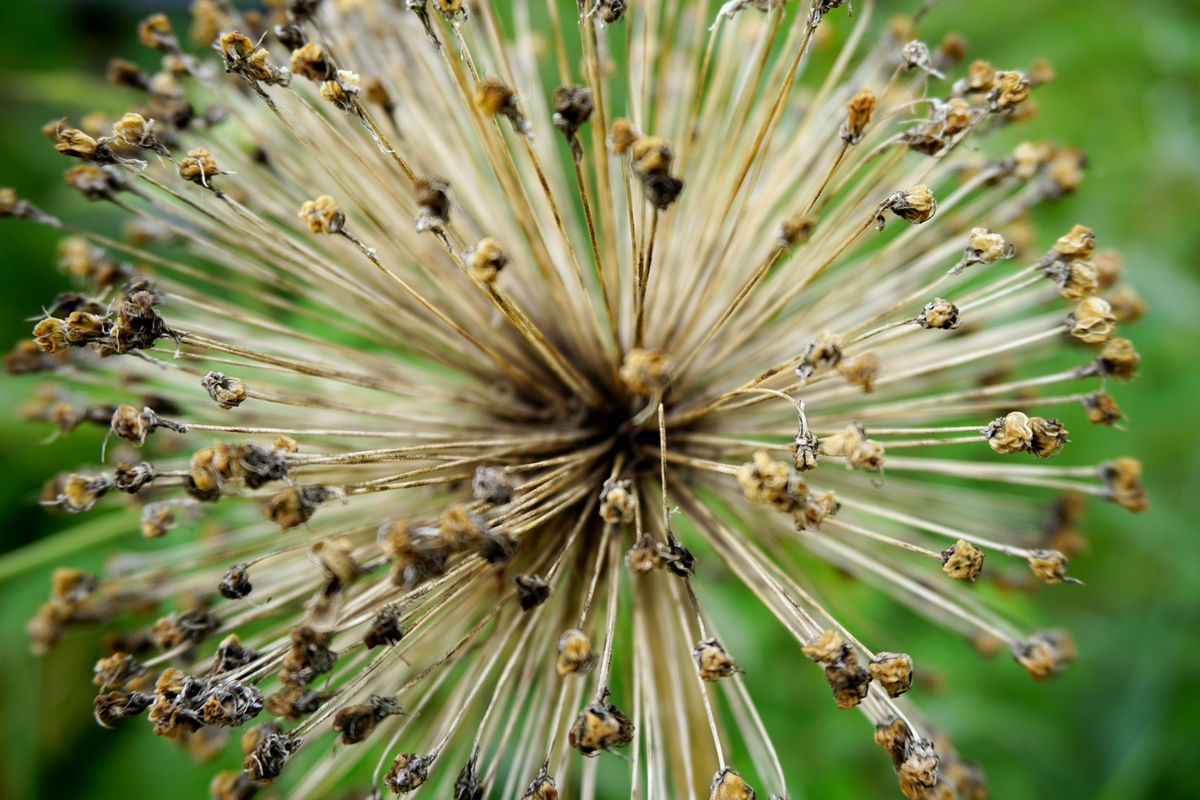
After your plant has finished flowering, the first step is to prune the spent flowers. You can simply cut the stems once the flower heads begin to lose color and prune down to the base of the stem. This is ideal for formal gardens that want to maintain uniform color and a neat appearance.
However, decapitating at the end of the season is not an essential task. Allium flower heads still look great when dried, one of the reasons they are imported and dried for use as cut flowers. Do you like a more rustic winter look? Then let the flowers dry naturally on the plant. Its color changes with the seasons and makes an attractive addition to fall and winter gardens.

Leaving flowers also allows you to harvest seeds from your plant if you want to grow more. Keep in mind that hybrids won’t produce the same flowers as the original, but the process is still a fun and interesting garden experience.
wait for the leaves to die
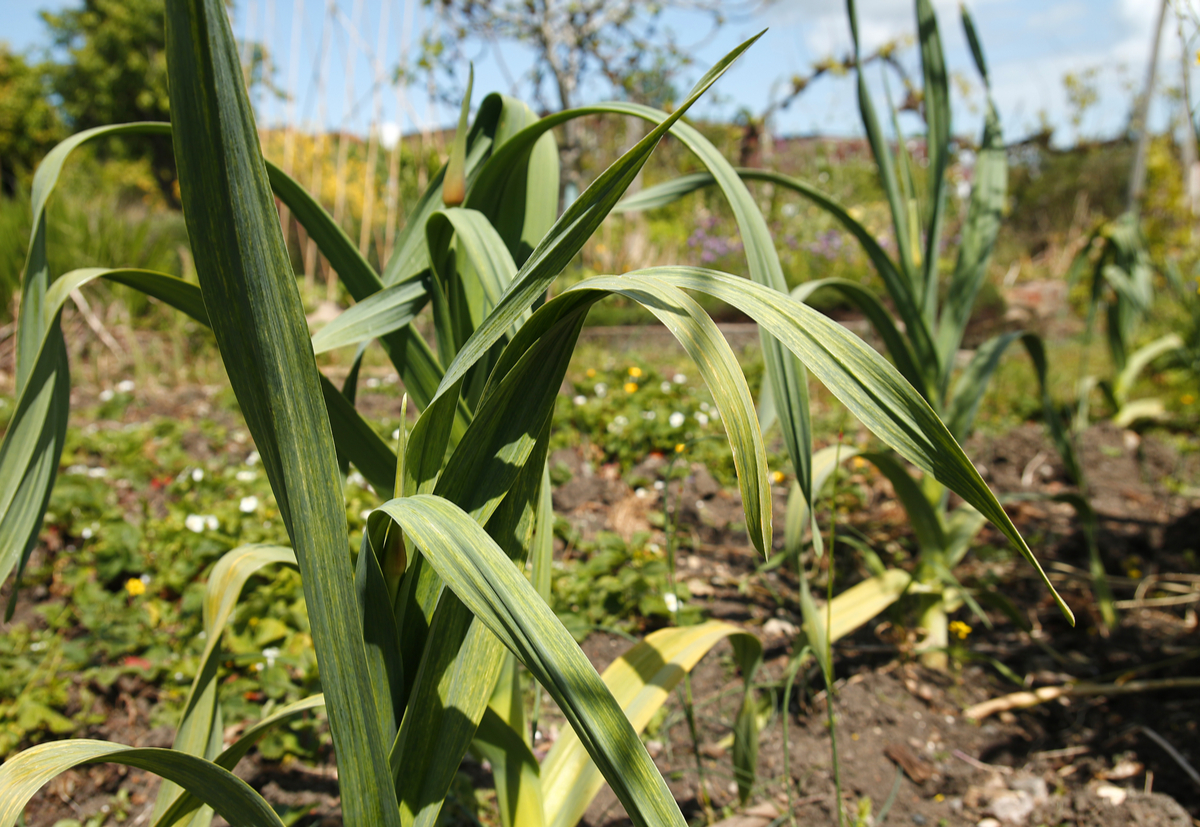
The next step is the most essential, but fortunately also the simplest: wait. At the end of the season, you may be tempted to prune the foliage while you prune other plants to get the job done. However, this will have a negative effect on your plants in the coming season.
Bulbs are storage mechanisms that use stored nutrients and energy to reappear in the spring year after year. After the plant has finished flowering, the bulbs begin to pull nutrients from the dying foliage in preparation for winter. Cutting the green leaves off your Allium won’t leave anything for the bulb to cling to, so it’s unlikely to regrow the following spring.
Even if the leaves turn yellow, it is important to keep them on the plant as long as possible. Only when they are completely dead and have turned brown should you consider pruning them. In the meantime, water the plants thoroughly to prevent the bulbs from drying out.
cut to the ground

For those who want to keep their garden tidy and avoid brown, wilting leaves in fall and winter, now is the time to prune the foliage.
Before you start, make sure your shears are clean and sharp to avoid damaging the bulbs or spreading potential garden diseases. Cut the leaves down to the ground, being careful not to damage the bulb.
You can also choose to leave the foliage as is so that all the nutrients are absorbed, which will likely result in better flowering next season. However, this dying foliage makes pest and disease problems more likely, so you’ll need to watch it more closely in case it spreads to your other plants.
When pruning completely, remember to mark the location of each of the bulbs on the ground. It’s a good reminder of what’s underground in winter so you don’t accidentally uproot the bulbs when planting in early spring.
lift and distribute
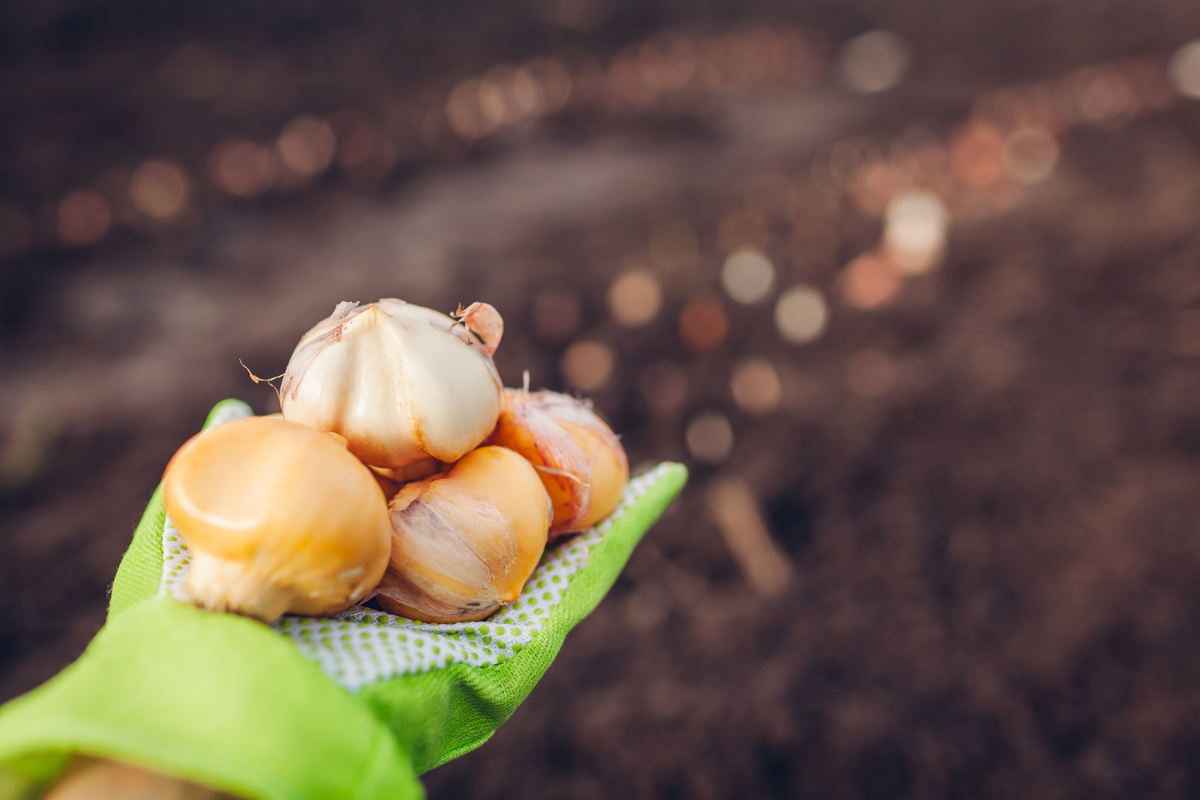
If bulbs are left in one place for three or four years, they tend to clump together, affecting growth and flowering. If this is the case with your Alliums, now is the perfect time to lift and divide them.
Once you’ve pruned the leaves, gently lift the bulbs with a garden pitchfork, being careful not to damage the bulbs. It may help to leave some foliage to indicate where the bulbs are. Remove all the bulbs from the ground and cut the remaining leaves to clean them.
Then all you have to do is break the bulbs open with your hands and gently pull them apart so they are ready for individual plantings. Replant them all with some space between them so they have more room to grow later. You can also save a few bulbs to plant in containers or move them to another part of your garden.
Mulch
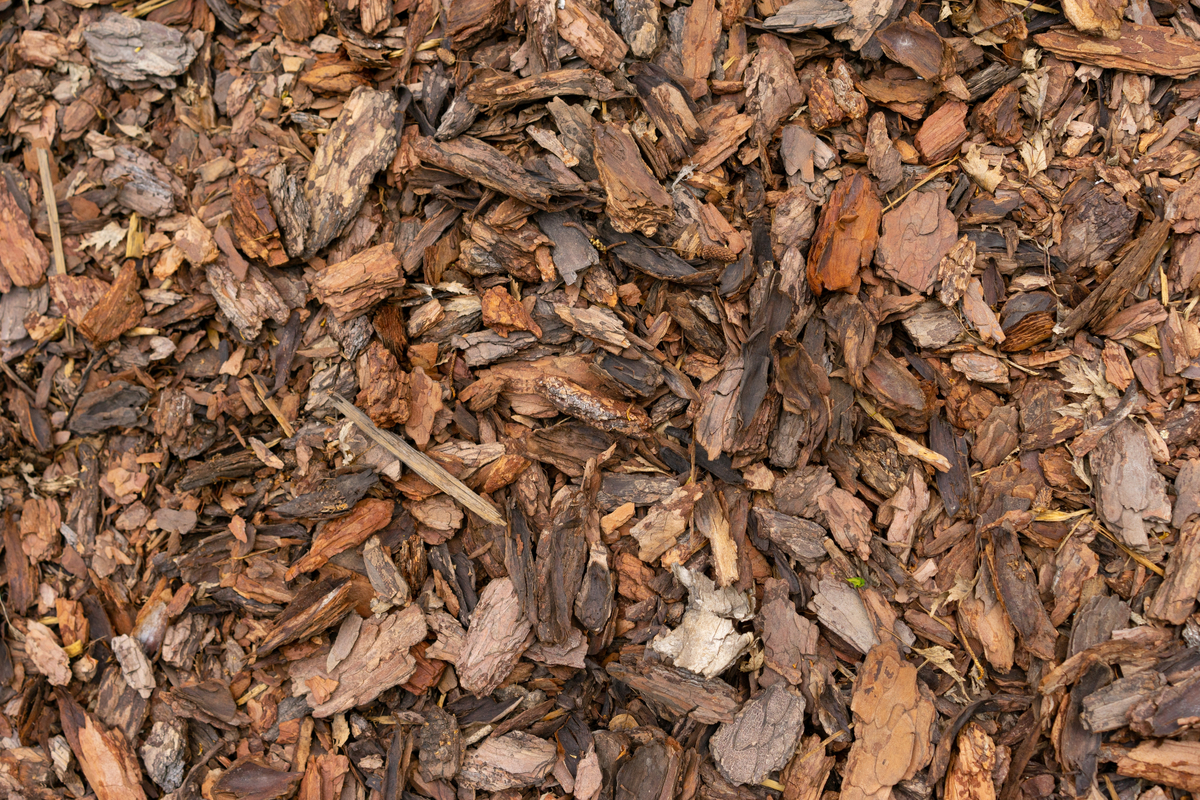
Whether you’ve divided your bulbs or just kept them in one place, it’s recommended that you apply a thick layer of mulch (2-3 inches) to the soil after all the foliage has dried. This protects the bulb during cold winters by insulating the soil.
Containerized alliums should be moved to a greenhouse or indoors, as the cold reaches the bulbs much faster. Keep them sheltered and in the warmest environment possible, especially in USDA Zones 5 and below.
In the spring, remove some of the thick mulch to make room for new growth. Enjoy the flowers throughout the season, then follow the same steps again.