Some of the links in the post are affiliate links and I receive a commission for purchases made through some of the links in the post.
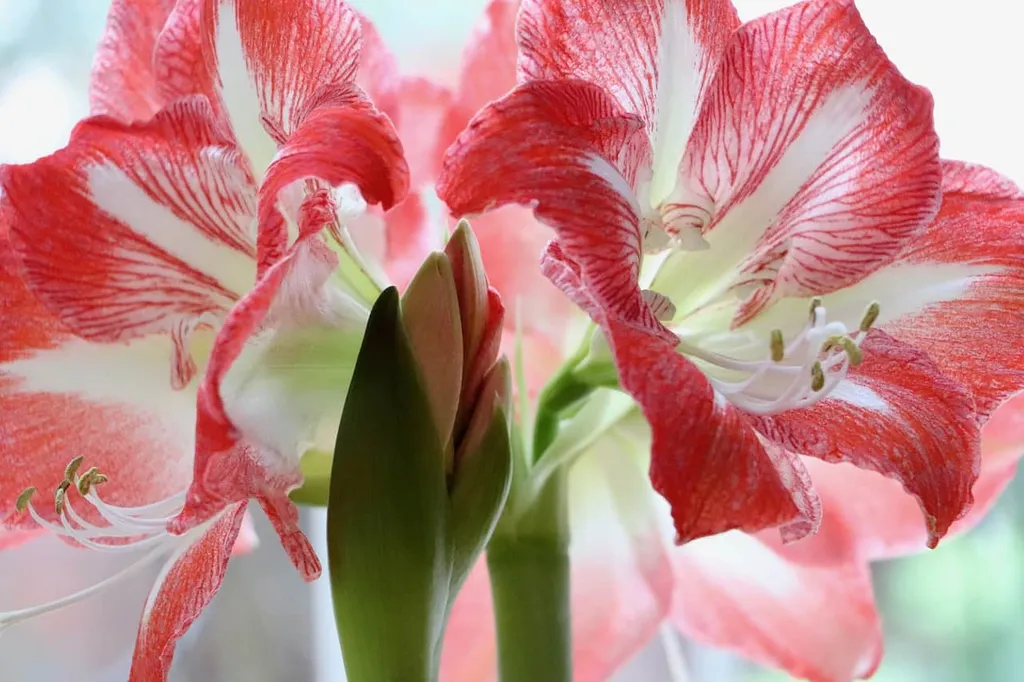
Amaryllis are beautiful flower bulbs that bloom in early winter. Amaryllis bulbs produce vibrant blooms and are a popular choice for home decorating.
The large, bright flowers are very spectacular and are sure to catch the eye at first sight.
The most common varieties in homes are forced amaryllis (seahorse). They are said to be forced because they flower in winter.
The upright stems produce two to three flowers when the bulb blooms. They are a popular choice for the Christmas holidays, especially the Red Lion variety.
Red flowers are very charming and bring a festive look to the occasion. They are often sold as ready-to-use flower bulbs for the holidays.
When grown outdoors, they flower naturally in early summer or spring.
What to do with amaryllis bulbs after they bloom?
After flowering, amaryllis bulbs lose their charm. The bulbs with their green stems look quite dull when the flowers drop.
Because of this flowering pattern, the Amaryllis is also called “naked woman”. Most people throw these lights away when this happens.
What they don’t know is that a little patience and a definite strategy can make those bulbs bloom again.
It is very easy to store these frosted bulbs and make them viable again for the next season.
You May Also Like: Which Flowers Bloom Only Once A Year And Once Every 100 Years
How to make amaryllis bloom again
Amaryllis is a fairly easy-going plant and easily survives some ups and downs in the re-blooming process.
The following steps will allow your amaryllis bulbs to bloom again next year:
1) Cut the stem and remove the old flowers
 Most of the bulb’s resources have already been depleted during the flowering phase. The plant lacks essential nutrients needed for proper growth.
To bloom again, the stems must be cut off at the top, keeping the leaves. The remaining old flowers are also removed with sterile scissors.
Just cut it all the way to the top of the bulb. This allows the plant to prepare to flower again.
The plant must replenish its food reserves to flower the following year.
Removing faded flowers allows the plant to channel its energy into repairing the nutrient deficiency.
The preserved leaves help in the additional production of the food necessary for the bulb.
2) Fertilize the bulb
The bulb is then fertilized with a standard liquid houseplant fertilizer at least every 2-4 weeks. Sustained release beads can also be used.
Organic fertilizers are preferred over inorganic ones. They provide balanced nutrients and cause the least damage to the plant.
The bulb grows in full sun or partial shade and receives regular watering.
Watering should be balanced and care should be taken not to overwater. Continue this routine for 5-6 months before summer.
The leaves must be able to develop fully. When the leaves begin to turn yellow, cut them 2 inches from the top of the bulb.
3) Move the lamp outside
Once the winter months are over, it’s time to move your Amaryllis plant outside.
April and May are excellent months to acclimate your plant to summer. The abrupt transition should not take over.
It is best to put the plant in the shade first, then slowly expose it to direct sunlight.
Otherwise, the plant would not be able to cope with the sudden change in its external environment and lead to death.
The pot used should also be well ventilated with adequate drainage so that the plant does not become waterlogged when it rains heavily.
4) Go back inside
After the summer season, it is imperative to bring the plant indoors. September to early October is the best time to collect your Amaryllis.
They should be placed on the windowsill so that they can receive enough sunlight during this period.
5) Latency induction
The Amaryllis plant needs a period of rest to induce good flowering. To do this, the bulb is removed from the holder and thoroughly cleaned.
The bulb is then placed in a cool, shaded area with an optimum temperature of around 45 to 55 degrees Fahrenheit.
It must be kept for about 6 to 10 weeks under these conditions for a good induction of dormancy.
Placing bulbs in basement or garage cabinets is a good option.
You can also leave the bulb in the pot and achieve the same result. But if you apply this method, then water should not be given during this time.
Let the soil dry out completely, which causes dormancy. The results are similar to bare root placement, but adopting the first approach produces better results.
6) Replant
After this period of rest, the bulbs are replanted in fresh soil. The bulbs flower 8 weeks after sowing.
These bulbs are as good as the ones you bought for the holidays last year.
You may also be interested in: 10 Flowers That Look Like Equally Pretty Peonies
Land used for transplanting
 Any potting soil can be used to repot Amaryllis, but it would be best if the potting soil had more organic matter.
Perlite should be used with organic matter. The choice of organic matter should be compost or rotted manure.
You can use the same pot the bulb was in before you transplanted it. If you lose this pot, it is best to use a 5 or 6 inch pot.
The lamp is placed below so that only the top half remains unexposed.
The soil is firmly packed and there should be a space of at least 2 inches between the rim of the pot and the bulb.
Water it thoroughly, but don’t overdo it, as this can lead to fungal rot. It should only be watered frequently when the roots are established enough to withstand the change.
How many years Will an amaryllis bulb flower?
Amaryllis bulbs are quite hardy and can bloom indefinitely with good care. They can easily survive 10 to 25 years.
If they receive reliable care, they can live as long as the gardener. Bulbs can also be propagated in different ways.
The easiest way to get multiple plants from one bulb is to take cuttings.
Each cutting should contain both the stem part and the bulb part to increase the chances of successful propagation.
Additionally, mature bulbs also produce daughter bulbs on their sides.
These new bulbs can be easily removed and used as new plants. They must be planted in new soil as already mentioned above.
This allows you to increase the number of successive plants each year. These additional lamps can be used as gifts for friends and family.
This way, you can have an unlimited supply of these beautiful flowers and share the variety of joy during the holiday season.
In fact, most homeowners reported having Amaryllis bulbs for 75 years. They are truly phenomenal when it comes to their survivability.
How long can amaryllis bulbs be stored?
Amaryllis bulbs need a minimum of six weeks of storage before they can be potted to bloom over the holiday season.
This range can be extended up to a maximum of 12 weeks. Staying longer than 2-3 months will reduce the chances of your amaryllis blooming in time for the holidays.
The optimal storage interval for maximum flowering happiness is around 8-10 weeks.
Going slightly above or below these set times may cause inconvenience at undesirable times.
Final thoughts: What do you do with the amaryllis bulbs after they bloom?
 Preparing amaryllis bulbs for next year is not really a challenge. The preparation steps are quite simple.
They may be new to some gardeners, but once you get the hang of handling bulbs, you’ll have no problem preparing them for next time.
And to add to the confidence, they are very hardy and sprout almost every time they are repotted.
If you follow the steps above, you will no longer have to buy an Amaryllis from a store.
You can even double the fun by sending the extra prepared bulbs to your loved ones during the festive occasion.
If you liked this article, check out our article on why is my tahitian wedding veil not blooming.
About the Author:
Saad Anzar
Saad is an avid gardener and a great lover of plants, animals, photography and people. Currently, his focus is on indoor plant photography and captioning beautiful landscapes. Write and rewrite feature articles on nature and science.