Lettuce is one of the easiest vegetables to make in a garden. Rarely do we find people with gardens that don’t have at least a few planted. It is a resistant plant, little damaged by disease or pests, and with the exception of snails or slugs, few problems are usually present. One of the most common questions is when to tie lettuce.
In this article you will learn when it is important to tie them up and why it is done. Also, how easy it is to produce the different lettuces. In addition its production is generally obtained between 40 to 150 days after planting, depending on variety and time of year. Which makes it an essential for orchards.

First, and it may surprise you, lettuce doesn’t need to be tied. It’s made for a matter of taste. Yes, you read that right. If you’re one of those who got this far because you never tied them up and thought you were doing it wrong, not at all. Lettuce is particularly attached to whiten its interior, its head, to give it a certain shape, and to make it more beautiful when it is served at the table. Being this purely personal reason and tastes.
The main reason many professionals end up doing it is that the market prefers it. Also for this reason the market pays them better. It is therefore logical that to obtain a better economic return on production, many farmers lean towards this option. It’s not so much about when the lettuce is tied, but why it’s tied.
When is the best time to tie lettuce?
When there are a few days left to recover. For a general, do it about 4 or 6 days before collection. This will make the interior white enough to be more attractive later.
It may be that during this period, it coincides with a period of rain. It’s something to watch out for. If rain is forecast, it is better not to do it, or do it before and collect them before if we were able to anticipate it several days in advance. The reason is that the excess water inside can end up rotting and spoiling the lettuce. Being attached, water drainage is virtually non-existent and it is easy for them to spoil.

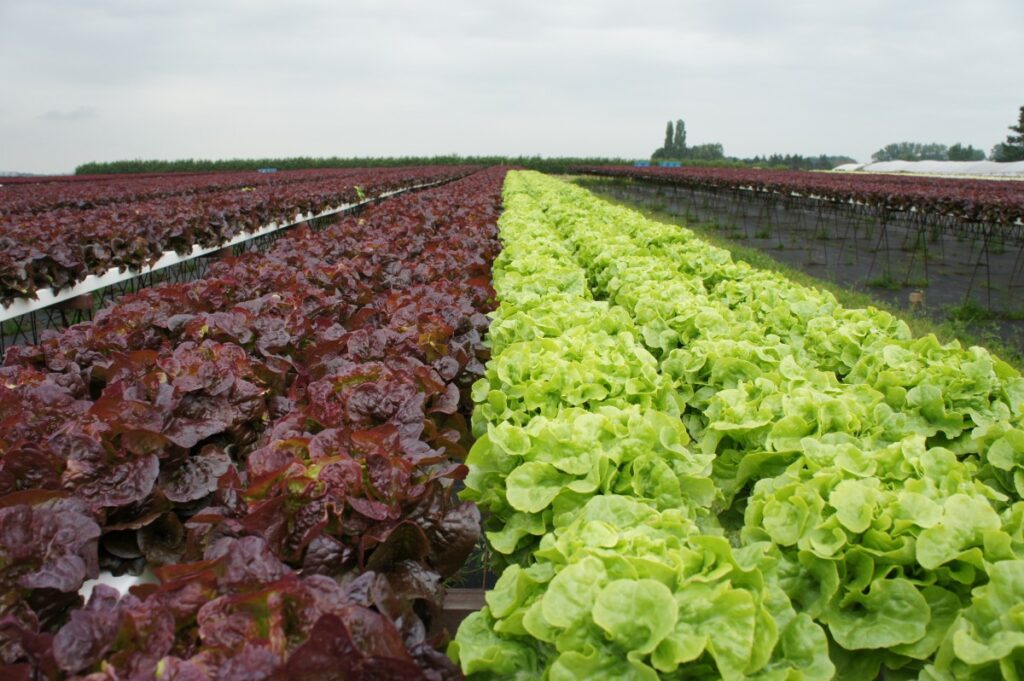
The most common lettuce to tie is long lettuce, also known as romaine. Another that is interesting to blanch is the endive, although it presents greater difficulties due to the type of plant. And finally, we have some like the oak leaf which, due to the desired color, is not generally sought after to be attached. There are many types of lettuce varieties.
How to tie lettuce?
This can be done with rope, but for convenience, a “chicken rubber” is often used. Just pick up the leaves and squeeze them with your hand, then insert the ring-shaped rubber. Just be careful not to damage the leaves, with practice you will see that it takes time to attach them.
In the case of escarole, because of its tougher, longer and narrower leaves, and its width, it is the most complicated. The difference with other lettuce is that it will take more patience and delicacy, but it can still knot even if at first it seems like it can’t.

Related article:
lettuce diseases
Advantages and disadvantages of tying them
It’s a matter of taste more than palate. Tying them allows us to have a more whitish color and yellow inside the lettuce. Served in a salad, it gives them a fresher appearance.
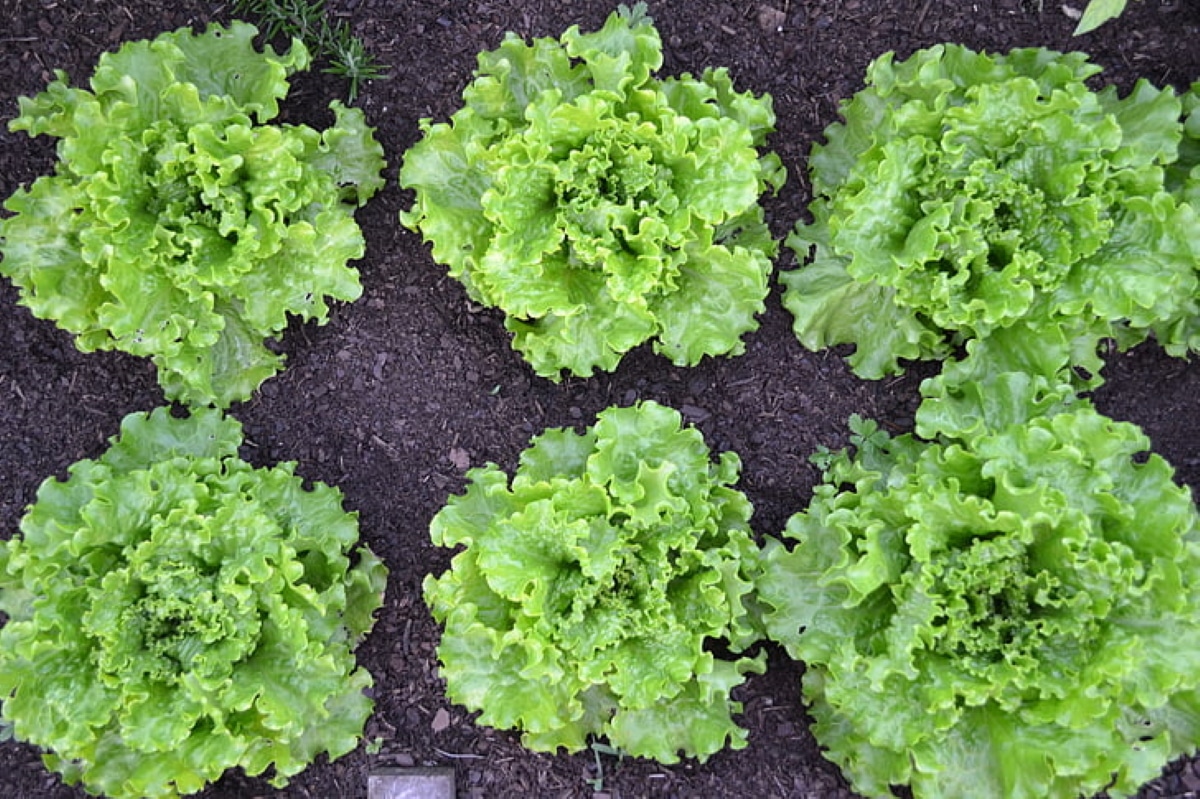
On another side, not linking them allows better development lettuce and colorful, which also provides a little more nutrients.
In particular, if I were to devote myself professionally, I would prefer to bind them as long as the market would financially remunerate this work. Being more valued, I would look for a higher return. But in my garden, contrary to what the market is looking for, I’m not one to tie them up. I like not to worry, let the lettuce grow with its normal development and give me very green leaves. In the end, especially in the garden, you will find that taste is more important than knowing when to tie the lettuce.
Tie the lettuces so they don’t stick? Nope
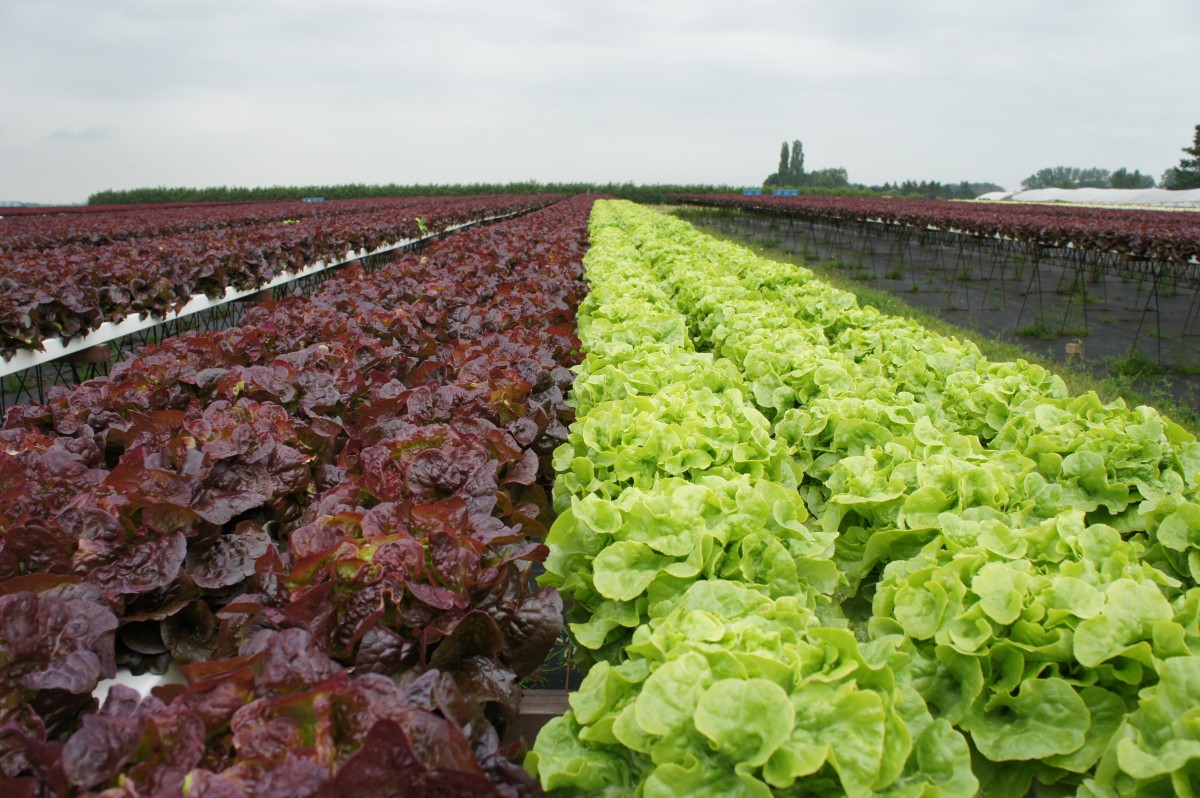
This is something I’ve heard sometimes, tying lettuce so it doesn’t sting or sting later. There is nothing to seeThis is part of its natural cycle. When the plant is ready for flowering, i.e. reproduction, it will sting whether it is tied down or not.
In summer it usually grows early, thanks to the temperatures, because the plant has grown faster. It is enough to keep in mind this detail, that the hotter it is, the sooner it will sting, in order to be able to harvest it sooner. Otherwise, as it rises, the taste of the lettuce becomes more bitter.
Lettuce Eating Tips for Orchards
A distinguishing characteristic as consumers is that we eat with our eyes. This also happens when you go to buy the vegetables to sow or sprout. In the case of lettuce, as with cauliflowers or others, once ready to be picked, the plant cannot last for several days because it begins to sting. To always have salads ready and not waste anything, just know how much we will consume. If we have animals and we have to feed them, it is always good to do more, because family consumption with a few is worth it.
In the case of summer, it is enough to know how many lettuces we can consume per week, two or three, usually they are not more. As the growth at this time of the year is rapid, we can sow 2 or 3 per week, so we will always have fresh, ready lettuce with minimal waste. In winter, growth slows down a lot, even seems to stagnate. As we get closer to it, we will increase the amount planted. At the end of winter, we will gradually reduce the quantities, so that all the salads do not come all at once.

Related article:
How to plant lettuce?