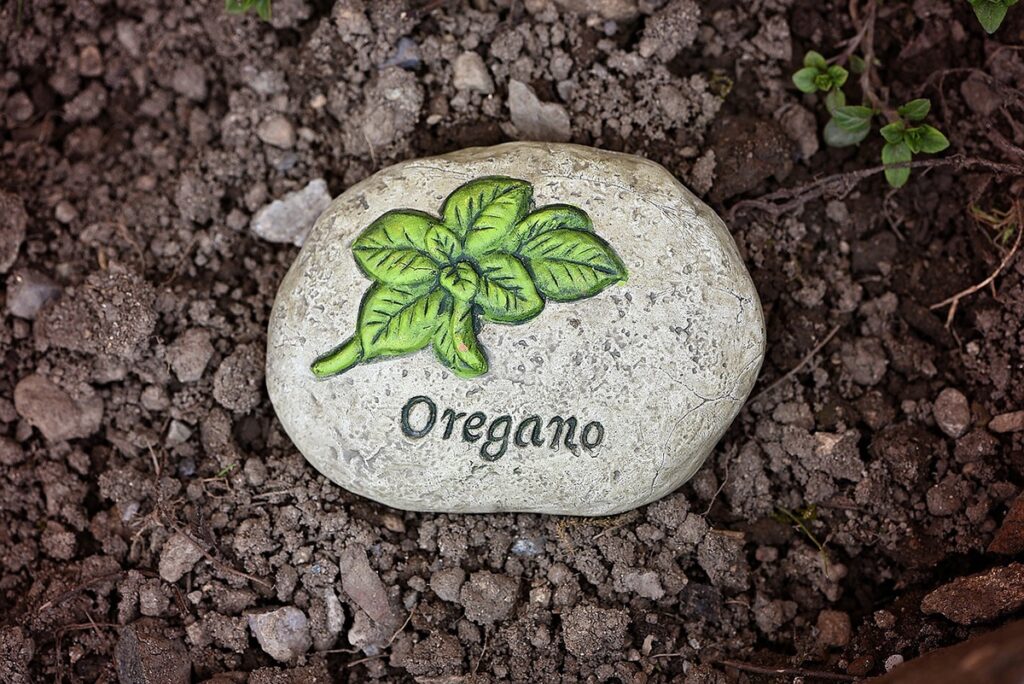

Oregano is an aromatic herb with a distinctive and versatile flavor that has been used in various culinary recipes for centuries. It is widely used in Mediterranean cuisine, but is also found in many other cuisines around the world, including Mexican and Greek. In addition to its culinary use, oregano has also been used in traditional medicine to treat a variety of conditions, from headaches to respiratory issues. Therefore, growing this plant at home is not a bad idea at all. But when do we harvest oregano? And how to ?
Our goal is to answer these questions. It must be said that oregano is easily grown in a garden or in pots indoors, and its annual flowering attracts a wide variety of pollinating insects. Additionally, this vegetable is known for its ability to repel pests, making it ideal for an organic garden. In this article, we will further explore the properties and uses of oregano, including its harvesting and its culinary and medicinal applications.
When can you harvest oregano?
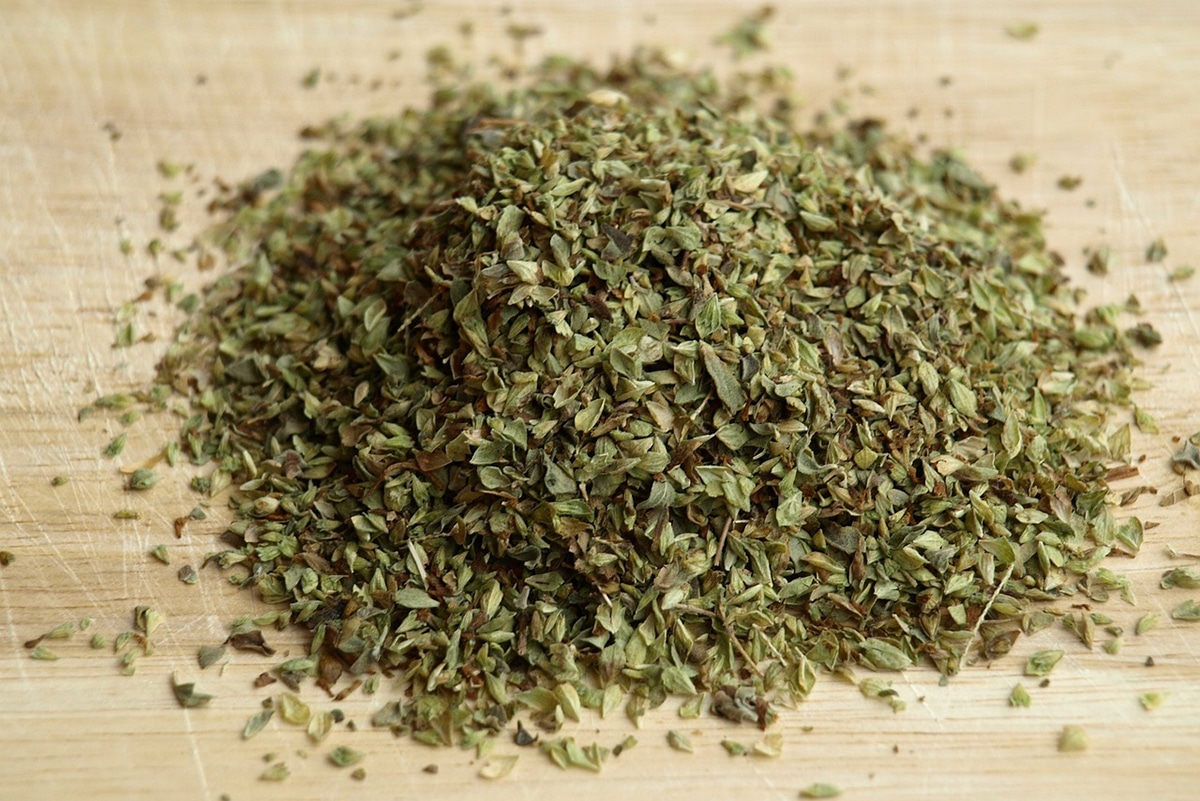
When we talk about oregano, we refer to an aromatic herb with green leaves and purple or pink flowers, used in cooking and traditional medicine. It has a strong and characteristic flavor, and is widely used in Mediterranean cuisine, but also in other culinary cultures around the world. Plus, oregano has also been used as a natural remedy for a variety of conditions, so it doesn’t hurt to grow it in our home. Luckily it is easy to grow but we need to know when the oregano is collected.
This task should be done when flowers and leaves are fully developed, usually mid-summer to early fall. To harvest oregano, the twigs are cut and air-dried, away from direct sunlight. Once dry, it can be stored in an airtight container and used as a spice in cooking. Next, we will explain in more detail how to do it.
How to harvest and dry oregano?
Now that we know when oregano is collected, it’s time to find out how to perform this task. The first thing to do is cut the twigs. To do this we must use garden shears or a sharp knife and select the twigs we want. It is of utmost importance leave enough leaves on the plant for it to continue to grow and produce, So let’s not be too greedy! Once this work is done, we have two options for drying the oregano:

Related article:
How to dry oregano
- Air dry: In this method, we have to place the oregano twigs that we have collected on a flat surface and let them air dry, away from direct sunlight. This may take one to two weeks, depending on the humidity and temperature of the environment.
- Hang the oregano upside down: Another option is to hang the sprigs of oregano we collected upside down in a cool, ventilated place until completely dry. This helps prevent moisture and mold buildup.
Whichever option we choose, it’s time to store oregano. When the twigs are already dry, we must remove the leaves and store them in an airtight container. We can keep this container later in the pantry or in the refrigerator, depending on our preferences and needs. And There you go! We can now use oregano from our own harvest to prepare various exquisite culinary recipes.
uses of oregano
As we have already mentioned above, Oregano is an aromatic and spicy herb used in cooking to add flavor to a wide variety of dishes. It is mainly used in Mediterranean cuisine to season pasta dishes, meats, vegetables and sauces. In addition, this plant is used worldwide as a flavoring. Depending on the region, breads, soups, stews and casseroles are usually made with this aromatic herb. You can also find various oils and vinegars made with oregano. These are very popular in the kitchen to flavor salads, marinades and other dishes.
Besides its wide use in the kitchen, Oregano is also highly valued in the field of health, thanks to its medicinal properties. It is therefore not surprising that it is found in various natural remedies to treat respiratory conditions, headaches and digestive problems.
We can therefore say that oregano is a versatile herb that is very popular in the kitchen for its flavor and aroma. It is also known for its medicinal properties and it is used in a wide variety of products, from oils and vinegars to infusions and syrups.
Benefits
As we can deduce from its many uses, oregano has several properties that are very beneficial and advantageous for us. Let’s see what they are:
- Flavor and smell: Oregano is known for its strong flavor and aroma, making it a popular kitchen herb for flavoring a wide variety of dishes.
- Medical properties: This aromatic herb has been shown to have antibacterial, anti-inflammatory and analgesic properties. Therefore, it is commonly used as a natural remedy to treat respiratory problems, headaches, and digestive issues.
- Source of nutrients: Oregano is rich in antioxidants and vitamins, including vitamin C and vitamin K. Plus, it’s a good source of iron, calcium, and manganese.
- easy cultivation: As if that weren’t little, this plant is an easy-to-grow herb that can be grown both indoors and outdoors. It is resistant to diseases and pests, and requires little maintenance. What more ?
In short, we can say that oregano is a versatile herb that has become so popular not only for its flavor and aroma, but also for its medicinal properties and ease of cultivation. It is a popular ingredient in cooking and is also used in a wide variety of health and wellness products. These types of plants never hurt to have around the house!