
Azaleas bring color and beauty to any home. You will be heartbroken when you notice the leaves of your beautiful azalea plant turning black.
To revive your azalea, identify the causes and act on them. Read on to find out the causes and how to fix them.
Azaleas need very specific conditions. If any of these items are missing or incorrect, your azalea will soon begin to have problems. The most common reasons why azalea leaves turn black are over or under watering, soil drainage and over fertilization.
This article discusses each of them and the best ways to keep your azalea leaves healthy and green. Now let’s dive into the details.
Causes of Azalea Leaf Blackening
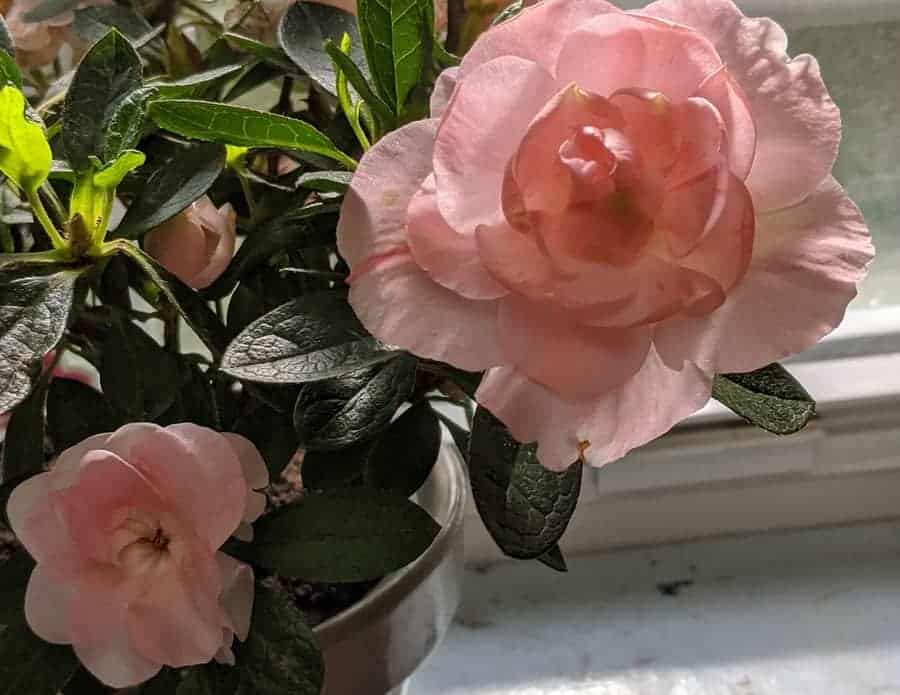
You can often feel overwhelmed when your plant looks sick, but there are simple solutions to all of these problems.
By making sure your plant has everything it needs to be healthy, you’ll be looking great again in no time.
WATER
One of the biggest mistakes when caring for houseplants is improper watering. Each plant has specific needs in terms of the amount of water it needs.
Too frequent watering and insufficient watering can have adverse effects on plants. This is one of the most common reasons why azalea leaves begin to turn black. Azaleas can be temperamental plants.
how much water
Azaleas prefer moist soil and hate standing in standing water for long periods of time. To avoid this, it is important to regularly check the soil of your azalea.
When the soil seems dry, it’s time to water it. However, if the soil is already wet, wait for it to dry out a bit. Don’t let the floor dry out completely.
The amount of water your plant needs varies throughout the year. Plants need less water in the colder winter months and more in warm weather. If you are unsure, check the floor regularly.
Although you can pour water into the pot, azaleas appreciate regular watering, as it allows the soil to absorb more moisture.
To do this, immerse the entire jar in a large container of water at room temperature. You will see small bubbles rise to the top of the pot.
When the bubbles stop rising, remove the plant and let it drain until no more water comes out of the bottom.
It is important to remove the pot once these air bubbles have stopped, as forgetting will lead to rotting of the roots.
Use the right kind of water
Azaleas are also very insensitive to the type of water you use. They like acidic conditions and are particularly sensitive to hard water.
Hard water contains baking soda and is actually toxic to the azalea. It is important to know the type of water available in your area.
If the water is hard, use bottled water or mineral water to water your azalea. Azaleas do best when irrigated with rainwater.
If possible where you live, try to collect rainwater and use it to water your azaleas.
ARRANGEMENT
One of the biggest mistakes with azaleas, and indeed with all indoor potted plants, is leaving the plant in standing or stagnant water for long periods of time.
One of the main causes is using a pot with inefficient drainage. If the plant has poor drainage, the roots and soil will become soggy, causing the dreaded blackening of the leaves.
Solve drainage problems
Use a pot with drainage holes to allow the roots to drain. To improve drainage, you can place a shallow layer of gravel at the bottom of the pot. Azaleas prefer clay soil to retain moisture.
INCORRECT APPLICATION OF FERTILIZER
It can be easy to assume that all plants like to be fed regularly, but azaleas generally don’t need a lot of fertilizer or fertiliser.
Overfeeding can actually harm your plant and lead to black leaves. The type of fertilizer is also very important with azaleas, as using the wrong one will damage your plant.
How to Apply Fertilizer
To properly apply fertilizer, regularly check your azaleas for new growth. Only use fertilizer when you see new shoots and new leaves starting to grow.
Be sure to choose one specifically designed for plants that prefer acidic conditions. Try to use plant foods rich in phosphorus and iron, as this gives the best results.
When feeding azaleas, it is important to halve the dosage indicated on the bottle. Never use fertilizer on your azalea more than once every two weeks, as too much fertilizer will cause black leaves.
ATMOSPHERE
Azaleas can be very picky about their living conditions. They prefer temperatures between 50 and 60°F (10 and 15°C).
They thrive in full, but indirect sun. A great place for your azalea is on the porch, but only during the summer months.
Windowsills can be great spots for your azalea, but they should be treated with caution. Constant sun and heat can quickly dry out your plant.
How to deal with environmental stress
If your house has dry air, it is important to provide the plant with additional moisture and humidity. There are several ways to do this.
One option is to buy a home humidifier. Since humidifiers can be expensive, this is not an ideal solution.
Luckily, there are ways to do this for free. One of the best ways is to leave your azalea in the bathroom after showering.
It is important not to leave the azalea here, as it will suffer if exposed to heat for too long.
You can also add humidity by using a small spray bottle filled with room temperature water and misting the plant regularly.
Placing a small tray of moist pebbles under the pot is also an effective and inexpensive way to keep your azalea moist.
Preferably do this in the morning, so the moisture has a chance to evaporate and the plant doesn’t get soggy.
If you choose to place your plant on a windowsill, be sure to check it regularly to see if it is in full sun and if the soil is dry.
Move the plant at night, as temperatures can drop significantly here, adding further stress to the plant. Any place too close to a radiator should also be avoided.
DISEASES
Indoor plants generally suffer fewer diseases than plants grown outdoors. However, they can still affect your houseplant, so this is something to watch out for.
The most common are root rot, leaf spot and powdery mildew. Most of them will not cause black leaves.
However, if you find new marks on your blades or anything odd, be sure to identify and address the problem.
One of the best and easiest ways to prevent disease from attacking your azalea is proper container maintenance. Regularly check the pot for dead leaves and flowers and remove them immediately.
Cylindrocladian burn
One disease that can cause the leaves to turn black is cylindrocladian blight. This disease causes the leaves to turn brown or black and fall off in 3-4 days.
This disease can also affect the stem and roots. The best way to deal with this is to remove all dead leaves and infected areas.
Be sure to use tools that have been disinfected to prevent the spread of disease. You can do this at home by dipping the knife in boiling water.
Rhizoctonia cobweb blight
This disease causes the leaves to change color from light brown to black. Although these spots start out small and are easy to ignore, they grow quickly and cover the entire leaf.
Once the leaf is infected, it dies and drops off. The best way to avoid this is to ensure that the plant has a good supply of clean air with good ventilation.
You should also avoid watering in the afternoon. If your plant is infected, you can also apply a fungicide.
PESTS
Indoor azaleas are less attacked by pests than outdoor plants, but pests can still be a significant problem. Dust mites are one of the most common houseplants.
Although these do not cause black leaves, they will destroy your azalea before moving on to the next plant.
Spider mites thrive in dry air, so maintaining humidity is key to minimizing risk.
lace thumbtacks
One pest that can blacken azalea leaves is the azalea bug. The female uses the underside of the leaves to lay her eggs.
When these eggs hatch, the new insects use their mouths to pierce the leaves and extract the chlorophyll. This lack of chlorophyll causes yellowing of the leaves.
The small black dots are the feces excreted by insects. The best way to combat them is to check the leaves regularly and remove the eggs before they hatch. You can also use insecticides to control these insects.
Azaleas are a fantastic addition to any houseplant collection. Its intricate and vibrant blooms are a great way to bring beauty and color to any home.
However, this can quickly turn to sadness when its leaves begin to turn brown or black. By making sure you give your azalea the best conditions, you can keep those dreaded black leaves from crawling around.
Do you have indoor azaleas? What are your tips for keeping the leaves vibrant?
Sharing is caring!