Have you ever seen rolled up orange leaves? Often when you see something like this we tend to worry and think that what you need is more water. And in fact, it can be much worse.
So why are the leaves of the orange tree rolled up? If you want to know the reasons why this can happen, pay attention because next we are going to give you the keys so that you can understand it. Go for it?
Why do the leaves of orange trees curl up?
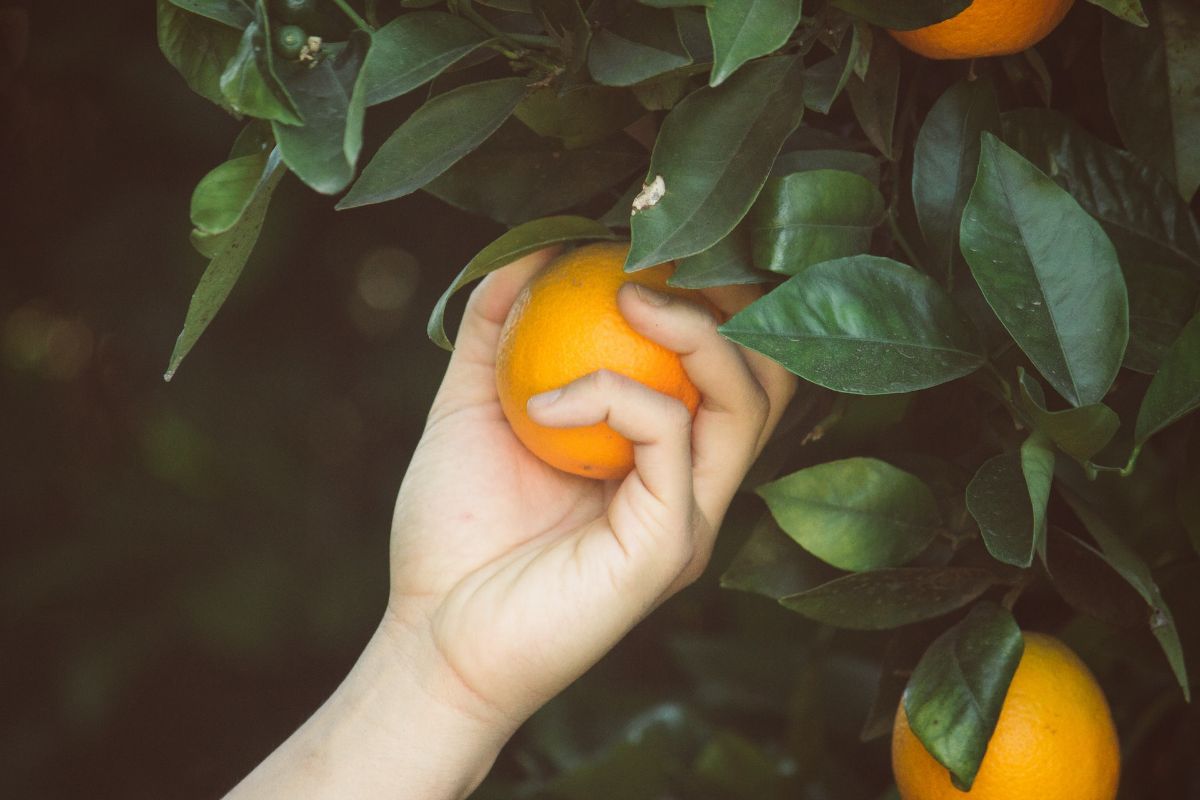
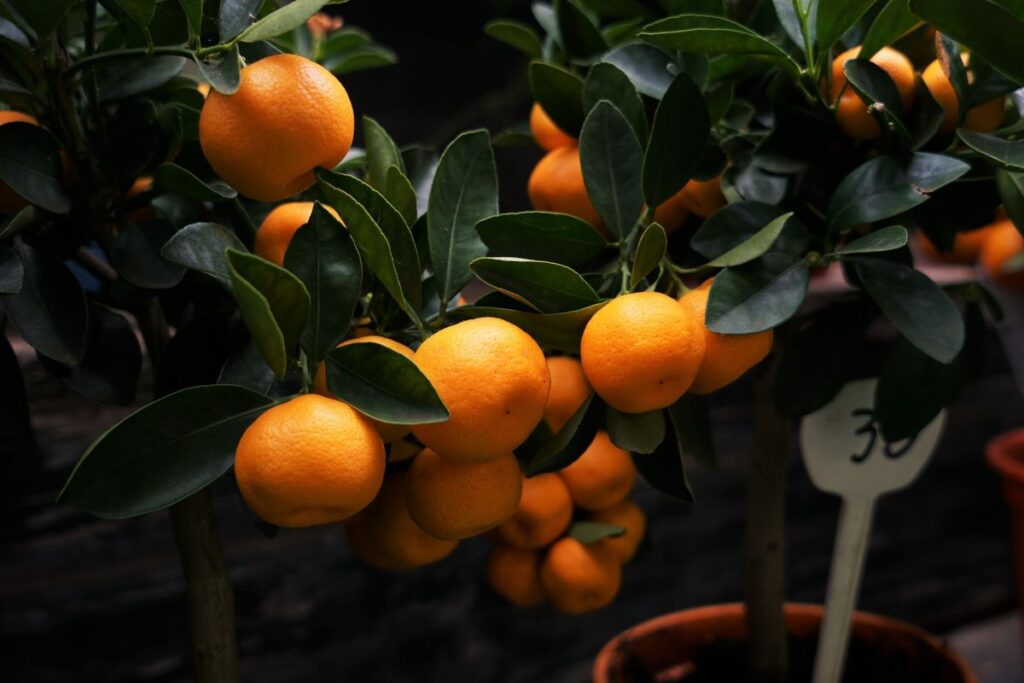
When you have an orange tree at home, you may have already noticed, especially in the case of mini orange trees, that they have rolled leaves. It is something very common in these specimens but the causes are even more important.
And it is that, although you may think that it implies that it lacks water, the truth is that there are more reasons why the orange leaves roll up. We tell you the main ones:
Lack of water
We are going to address the primary causes of curled leaves in orange trees. As you may have thought, lack of water can cause leaves to curl, preventing it from photosynthesising, which will harm and weaken the tree.
The solution is not only to water it immediately, but also to schedule more frequent waterings so that it does not happen again. And it is that, if it happens very often, the only thing you are going to realize with it is that it weakens and there will come a time when he will stop recovering, and in the end he will die.
So if you used to water it once or twice a week, you may need to increase it to three. Of course, keep in mind that watering in winter is not the same as in summer, so the guidelines are going to be different depending on the season.
Excess water
Even if you don’t believe it, excess water is also a reason why an orange tree may have curled leaves. In this case, it mainly happens because water accumulates in the soil, preventing oxygen from entering it and causing the roots to rot. By not being able to carry out photosynthesis (due to an accumulation of carbon dioxide which inhibits this function of absorption of nutrients), the plant dries out, from which the leaves curl up on themselves, lose their color and seem to the touch like paper.
The solution, If you have watered too much and it is very flooded, you must change the pot and the soil (if you can). Otherwise, you will have to wait for the water to pass (you can try removing some of the soil and adding a new one with more drainage so that it can breathe better.
lack of nutrients

Whether you have the orange tree in a pot or in the ground, over time this soil becomes depleted of nutrients. If you don’t pay for it either, the only thing you’ll get is that the tree consumes slowly because it can’t find the nutrients it needs.
Generally, if it’s in the ground, the roots will pick up those nutrients. But if it is in a pot, it will not have this possibility.
So if you notice the rolled leaves, one of the reasons may be that it needs fertilizer.
Another option is to transplant it. It can be the same pot or another one. The case is to take away from him all the land he has that no longer feeds him and provide a new substrate rich in organic matter to make sure he has what he needs to eat and stay strong and healthy.
temperatures
Orange trees are fruit trees that tolerate high and low temperatures well. But not the extremes. If it’s too hot or frosty, the tree suffers and one of the ways it expresses that something is wrong is through its leaves. That is, roll them.
To solve it, if it is due to high temperatures, you can alleviate it by pouring water on it (in spray) to lower the temperature around and increase the humidity a little.
If this is due to low temperatures, especially due to frost, the most appropriate way to protect it is to cover it with a mesh. This, yes, don’t forget the roots. Stores often sell “floor coverings” which help protect the area around the floor and prevent the floor from getting too cold.
Pests that affect the orange tree
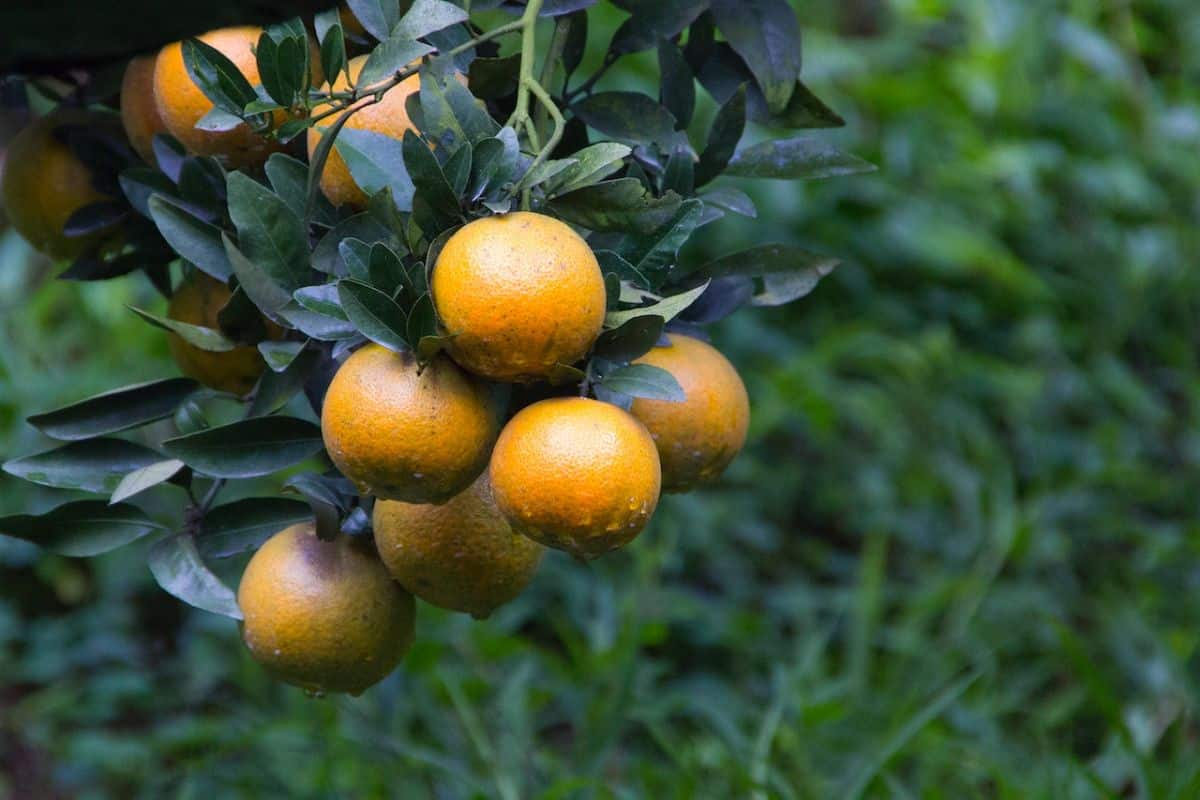
Of course, pests and diseases (which we will see below) They can be the cause of orange leaf curl. When you see these leaves with this problem, take a look in case they have “unwanted guests”, i.e. pests.
To do this, stay not only with the back, but also with the front part, even when they are rolled up (try to open it and look). If you have a magnifying glass, it’s much betterbecause in this way you will see with certainty whether there are parasites or not.
Some of the usual species in orange trees are usually scale insects, thrips, mites or leaf miners.
And how to fix it? If you have located any of these “bugs”, you must eliminate them as soon as possible so that they do not harm the health of your orange tree. The best thing is that you take potassium soap and clean all the leaves of the orange tree one by one, as well as the branches and the trunk. Yes, it is hard work, but this way you will be sure to get rid of the plague. Even so, it should be done again after 4 days, to be sure, and even 15 days later.
Diseases
As we have already told you, in addition to the pests that can affect it, there are two diseases that have rolled leaves as a symptom:
- Botrytis: botrytis disease is well known and can easily affect orange trees. One of the characteristics of this one is that you will not only see the rolled leaves, but also a gray mold covering it. When this happens, use garlic or horsetail tea to clean it out, as that might fix the problem and kill the fungus.
- Bacterial blight: This is another fungus that blackens the branches of the leaves, as well as the petiole. Sometimes, if it is very spreading, it will have to be pruned to prevent it from covering the whole tree. Then it can be treated with antifungals, chemical or natural, like the ones we mentioned before (horsetail or garlic tea).
Having the orange leaves rolled up is not a good thing. This indicates that your fruit tree indicates that there is something wrong. If this is your case, check the tree carefully to find out the cause and fix it. In general, you have a high chance of saving it if you catch it in time. Has this ever happened to you? How did you solve it?