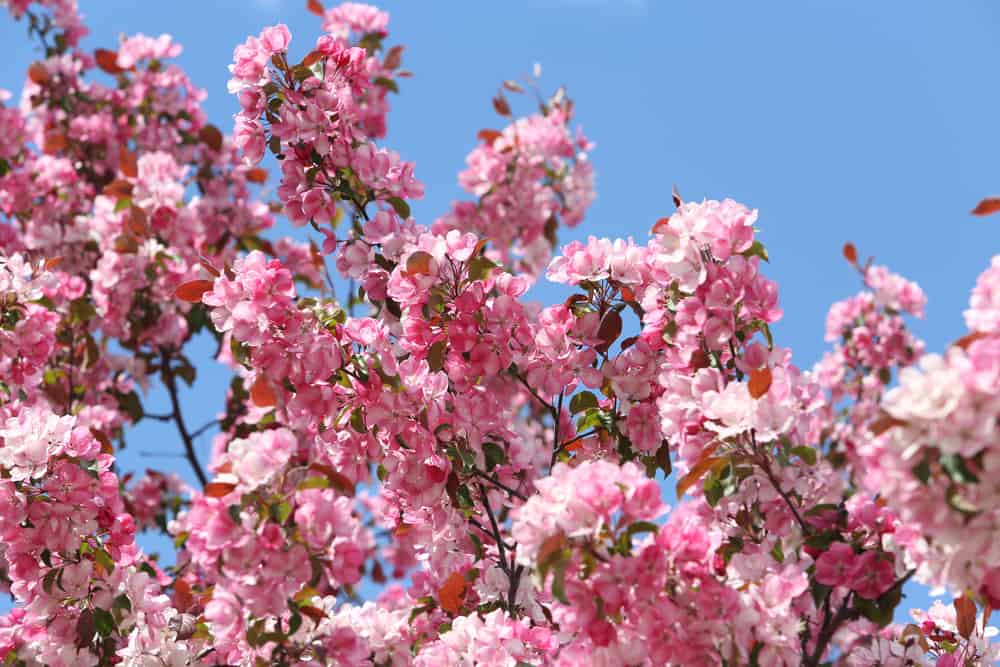
Crabapple trees don’t get the respect and appreciation they deserve. These tangy little cousins of the sweet Penalty the apples we turn into pies and crumbles may not have the same sugar content, but they are still valuable to the farm!
They are edible, beautiful and attract pollinators by the hundreds.
Here’s how to grow these versatile beauties.
Why grow crabapples?

Before we get into techniques for growing crabapple trees successfully, we need to determine Why they profit on the farm.
One of the biggest benefits of growing crabapple trees is that they make excellent companion plants. Like other members of the rose family (Rosaceae), their flowers are invaluable for attracting pollinators.
If you grow food guilds around these trees, butterflies, bees, and hummingbirds will pollinate all the plants around them. Alternatively, you can plant cheekbones around the periphery for a similar effect.
Another benefit is its use in canning jams and jellies. Crabapples are incredibly high in pectin. This natural starch is used as a binder and thickener in all kinds of spreads and other preserves.
This is ideal if you don’t have access to store-bought pectin or prefer to be as self-sufficient as possible.
Finally, they can also be an excellent source of food. Although they are not as sweet as species grown for fresh eating or cooking, that does not mean they are inedible.
Their fruits are tart and mealy but can easily be made into applesauce or jelly with sugar or honey. They are perfect for making cider, and species like Coronary malus are sweet enough to be eaten raw.
How to choose the right variety

Like all other plant species, crabapple trees native to your area will thrive best. If you don’t like local species, aim for those grown in a similar growing area.
For example, crabapple trees that do well in northern Illinois should also do well in eastern Oregon because they are in the same growing zone.
Next, consider the time investment you would like to devote to your trees. Depending on the cultivar, they can live 20 to 60 years. Aim for a longer-lived species if you plan to stay on your current property for the rest of your life.
On the other hand, if there is a change in your future or if you want to try different species over the next 50+ years, aim for one with a shorter lifespan.
Do research to determine what diseases local crabapple trees have (if any), then try to find cultivars that are resistant to those problems. We will come back to this a little later.
Wherever you live, try to buy cultivars that are best suited to your local climate and environment. Buy disease-resistant crabapples whenever possible and be sure to check them regularly for any pathogenic diseases.
The ‘Adirondack’ and ‘Praifire’ cultivars are two of the most disease resistant, but do your research to see if they will thrive in your area.
Soil and sun requirements
Location is crucial! Like other apple tree species, crabapple trees cannot thrive in alkaline soil. Instead, they need rich, well-drained, acidic soil with a pH between 6.0 and 8.0. Said soil should be nutrient rich, so work in plenty of aged compost and peat moss before planting.
Second, you will need to choose a site that gets full sun for at least six hours a day. These trees love the sun; the more they get, the better they will fare.
As for planting, it depends on whether you are planting a cutting or a bare root tree. Cuttings can be planted anywhere between late spring and early fall. In contrast, bare-rooted trees can only be planted in the spring.
Dig a hole just over 2 feet deep and twice the depth of your tree’s root ball. Add compost and peat moss, gently place the root, then add more amended soil. Tap firmly and water thoroughly.
Watering and feeding

You will need to water your new trees when you first plant them, but other than that they can just be watered by regular rains. You only have to worry about offering them extra water during hot, dry periods. Of course, if you live in a drought-prone area, you may want to soak their roots periodically to keep them healthy.
You don’t need to feed your crabapple trees as long as you’ve amended the soil well before planting. However, if you feel the soil is depleted, you can apply a slow-release fertilizer to the surrounding area.
Aim for one with more phosphorus (P) and potassium (K) rather than nitrogen. If you add too much nitrogen nearby, the trees will develop lots of foliage, but little fruit.
Spread
If you don’t purchase more crabapple trees from a local nursery, you can propagate your own via stem cuttings. In fact, this is the most common way to propagate these trees.
You can take softwood cuttings once new growth appears on your crabapple trees. This usually happens in late spring or early summer. Use clean garden shears to take an 8-inch cut from the end of one of the branches of the crabapple trees after the flowers have faded and the leaves have appeared.
Cut the stem diagonally about 1/2″ below the lowest leaf with a sharp knife. Then remove the leaves, dip the cut end in rooting hormone and plant the cutting in a container filled with a 1:1 ratio of peat moss and coarse horticultural sand.
Water well and place the container in a location that receives filtered sunlight. It will wilt before it can root if it receives too much direct light.
Keep the soil moist and mist the aerial parts of the cutting daily. After a month, gently tug on the cutting to see if it comes loose. If not, it means it has developed roots. Let this process continue and transplant it into the ground the following fall. Protect it from winter snow and herbivore predation, and let it mature in situ from there.
Potential problems and solutions
When deciding which crabapple trees to plant, look for those that have been bred to resist disease. Like other Malus species, these trees can be susceptible to various blights and other health issues.
Consult an arborist if there are any issues you feel you can’t handle on your own, and offer them deer protection until they mature. In turn, your trees will give you lush, sweet-smelling flowers and fabulous fruit year after year.
Some of the most common issues include:
Powdery mildew
Anyone dealing with powdery mildew knows how frustrating it can be. It thrives in hot, humid conditions and can wipe out an entire crop in days. If you’ve dealt with powdery mildew before, you’ll need to treat the surrounding soil and leave it fallow for a while before planting anything new in it.
fire blight
This is a bacterial blight that also thrives in conditions of high heat and humidity. It is most common in apple and crabapple trees, but can also affect hawthorn and mountain ash (rowan trees). If you live in a humid, hot climate, purchase cultivars bred to resist this pathogen.
Apple scab
Unlike fire blight, which needs warmth and moisture to thrive, apple scab grows best in areas with long, cold, and wet spring and early summer. The trees lose most of their foliage and the fruits develop black, ugly, rotten spots.
Basically, this renders the fruit inedible and negates all pollinator benefits.
Cedar Apple Rust
This fungal infection is quite rare but can occur in areas that have lots of junipers planted around. If you have ever had juniper bushes on your property, or have grown them within 100 feet of your crabapple site, try to find a cultivar that is specifically resistant to this problem.
In addition to these problems, crabapple trees can also succumb to predation. Tent caterpillars often nest in crabapple trees, but do not cause permanent damage. They will defoliate parts of it and then leave again.
In contrast, deer and rabbits love to devour juvenile Malus species. If you have ever had problems with these herbivores, you will need to cage your trees until they are at least a few years old and can handle being nibbled on.
Best uses

Crabapples are one of those multipurpose trees. You can plant them for their ornamental value in the garden as the blooming in the spring is second to none.
The apples themselves are not as sweet as traditional apples, but they are delicious if you prepare them correctly. The pectin content makes them perfect for making jams and jellies.
Or, you can simply cultivate them to attract pollinators to your orchard. They make excellent companion plants.
Was this article helpful?
Yes No ×
We appreciate your helpful feedback!
Your response will be used to improve our content. The more feedback you give us, the better our pages will be.
Facebook pinterest