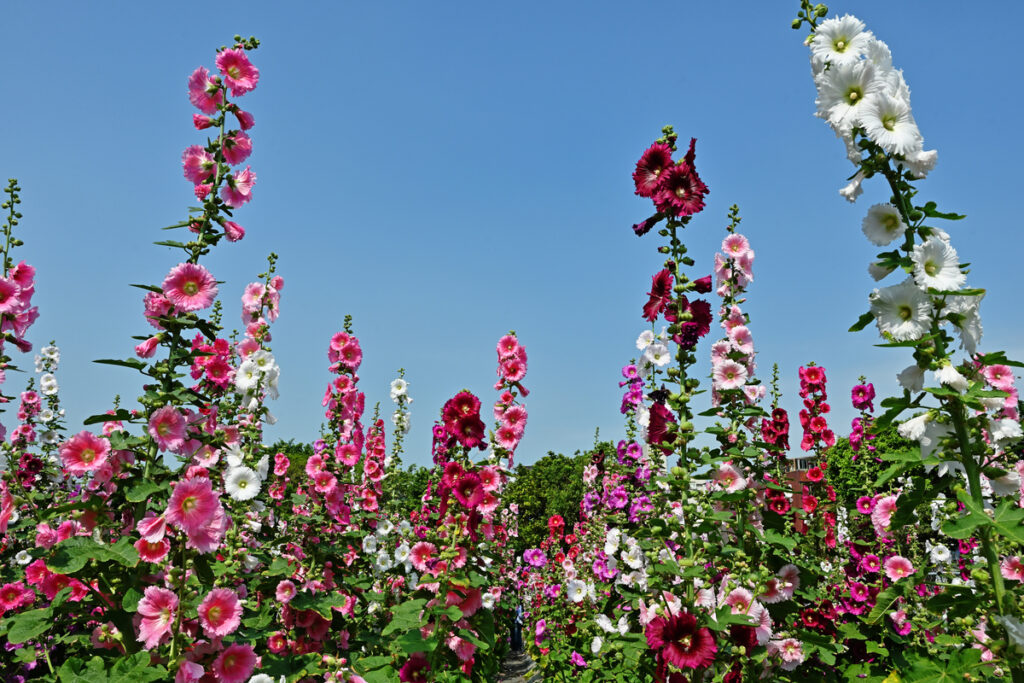
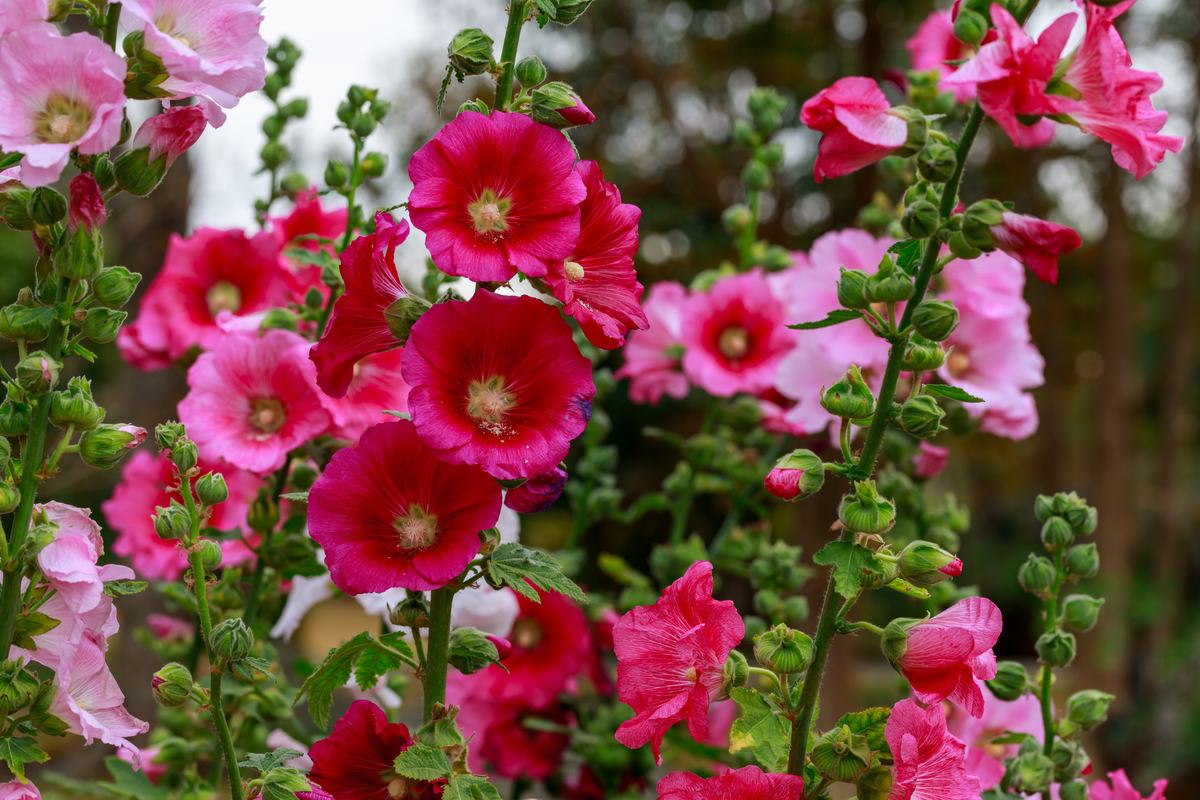
common hollyhock (Rose alcaeus) it has skyward stems covered in giant 5-inch hibiscus flowers that carry a whimsical fervor from the past.
Beyond the spectacularly impressive 5 to 12 foot height lies Hollyhock’s magical color spectrum.
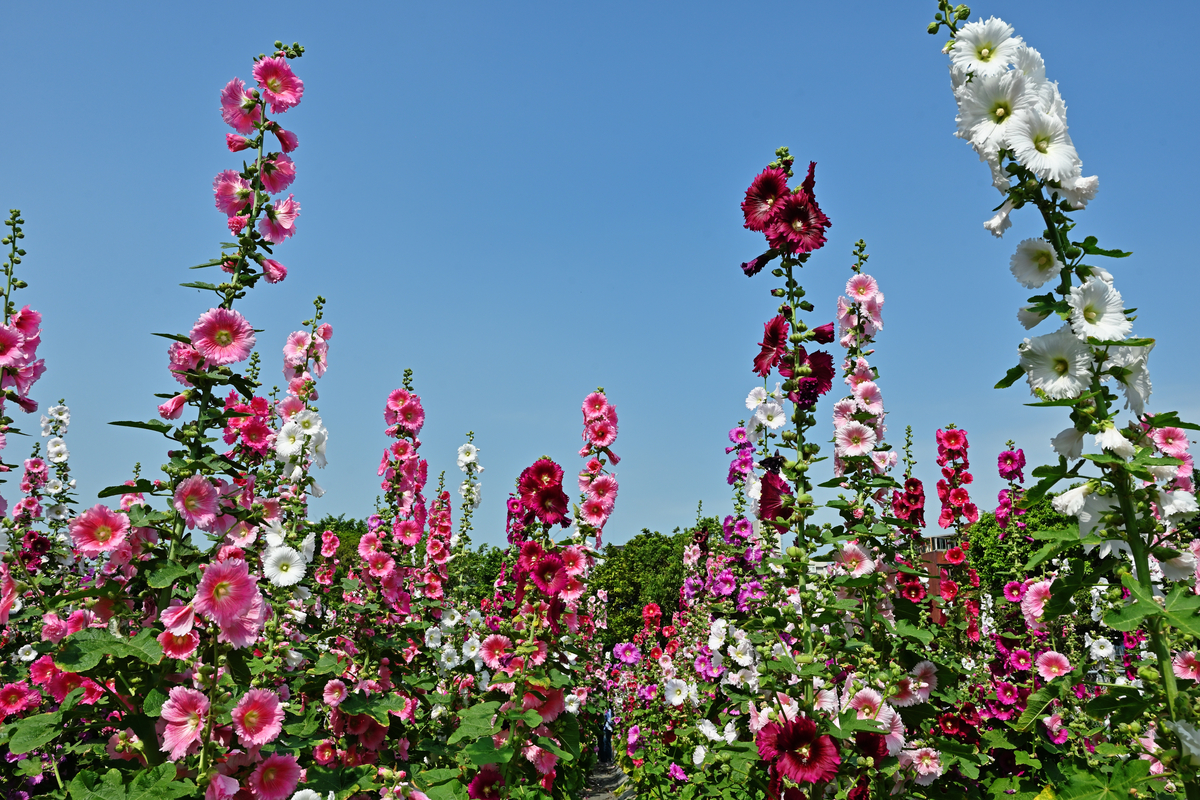
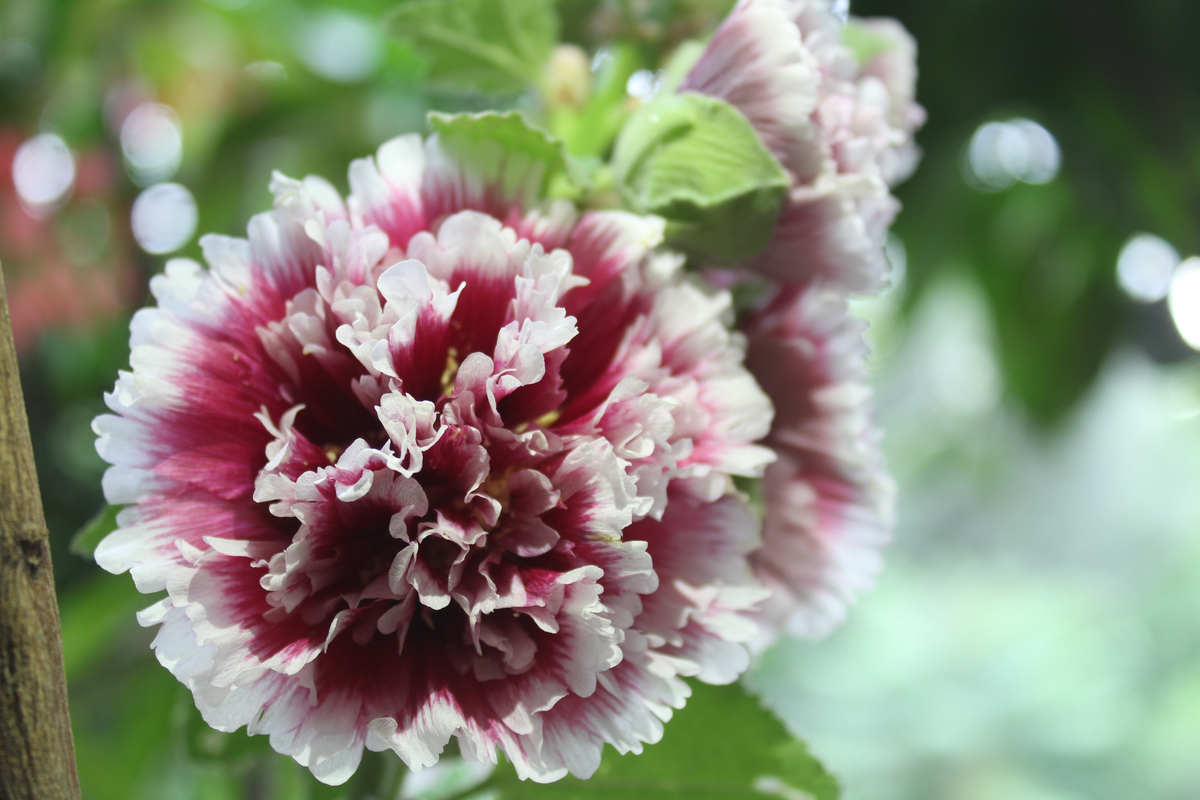
Summer flowers are single or double and can be variegated, striped or solid, often with showy, contrasting centers.
From the boldest reds to the deepest purples, to the brightest whites, peaches, creams, corals and pinks, there’s a suitable hollyhock for every garden theme.
Tolerant of most garden situations, full sun without overly wet winter conditions is heaven for hollyhocks.
These herbaceous biennials have a two-year life cycle, with a clustered rosette of pretty palmate leaves the first year, followed by crowns of seed-producing flowers the second year.

Unlike many erect perennials and biennials that are poisonous, such as foxglove, delphinium, and aconite, hollyhock is completely edible and even has medicinal benefits.
Not just for tea, hollyhocks provide habitat and nectar for butterflies and attract birds and bees.
Here are our top tips for heavenly hollyhock blooms.
1. Choose the best growing area and climate for flowering hollyhocks
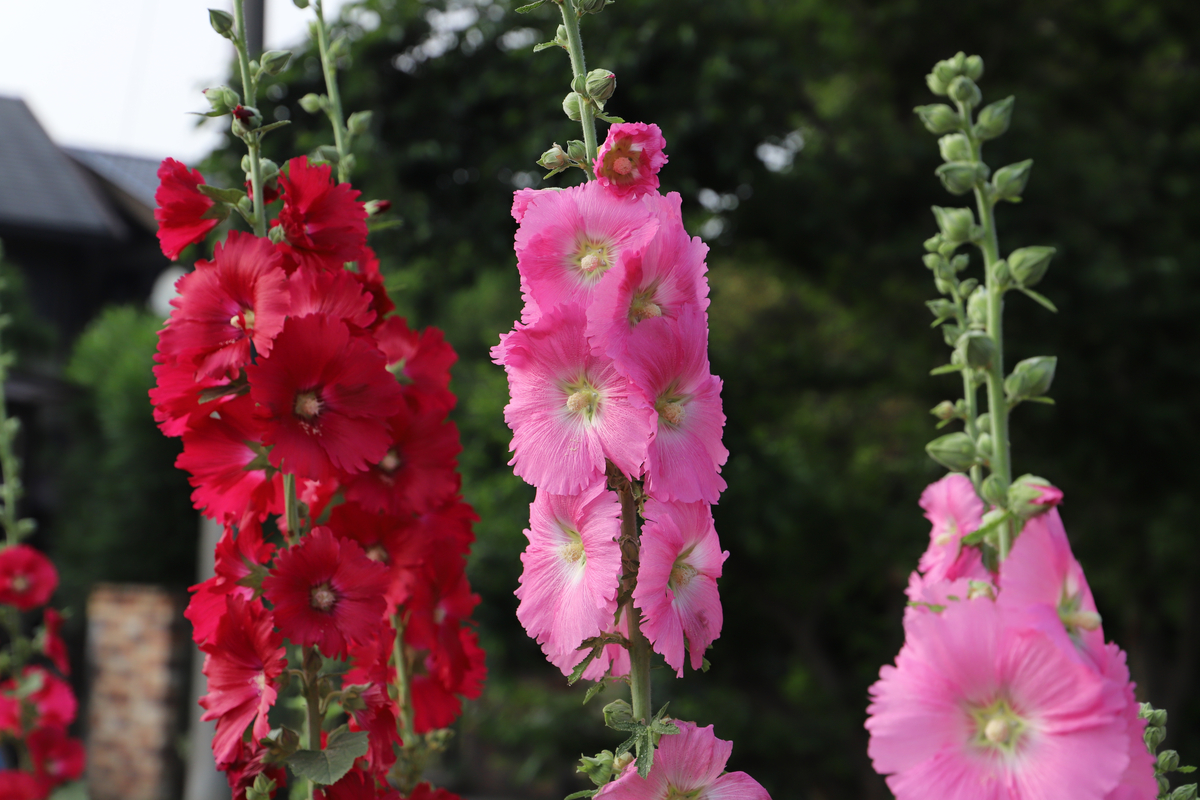
Hollyhocks are extremely adaptable and thrive in zones 2 to 10.
Neither too wet nor too dry are the preferred climatic conditions for hollyhocks.
Deep soils that are consistently moist within the top 5 inches are the goal.
However, wet winter conditions or high humidity can promote a fungal disease known as rust.
2. Plant in Hollyhock’s favorite spots
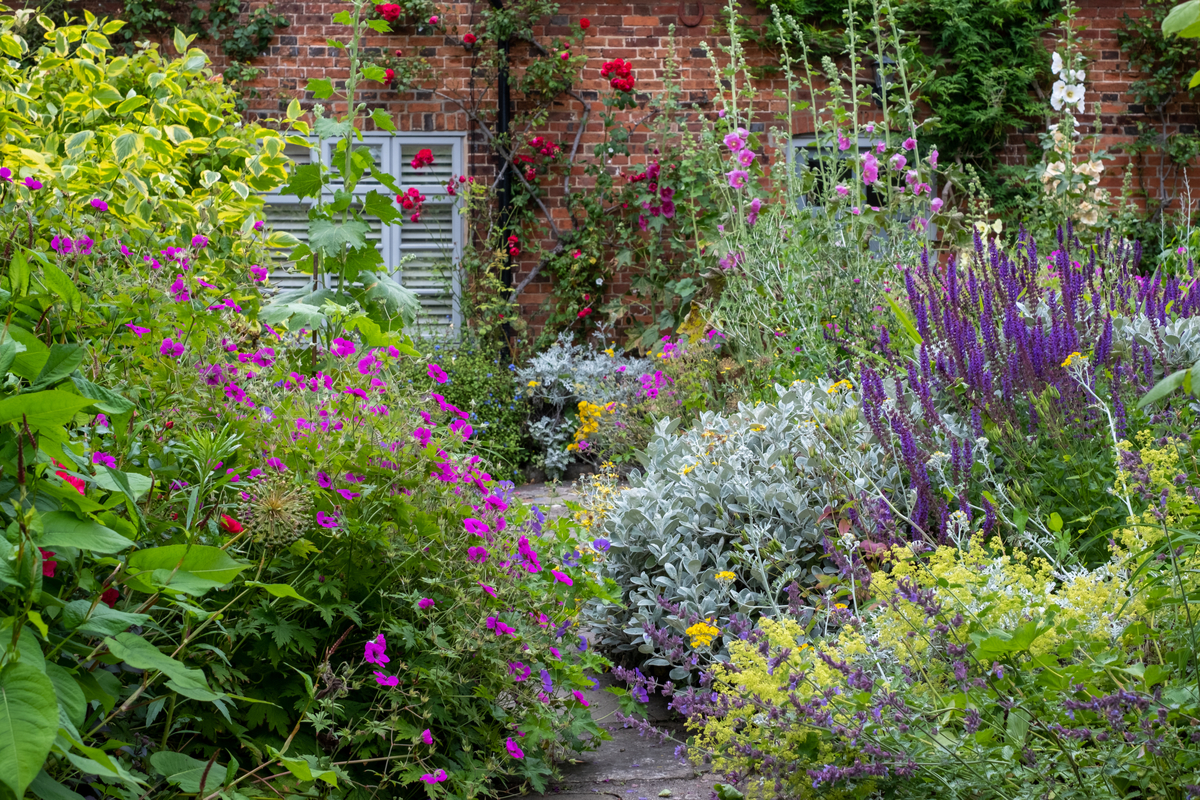
A fairly tall plant, some hollyhocks can reach 5 to 12 feet tall! The back of the rim is Hollyhock’s favorite spot.
In windy areas, consider sheltering the greater hollyhock or providing support with fences, posts or other structures.
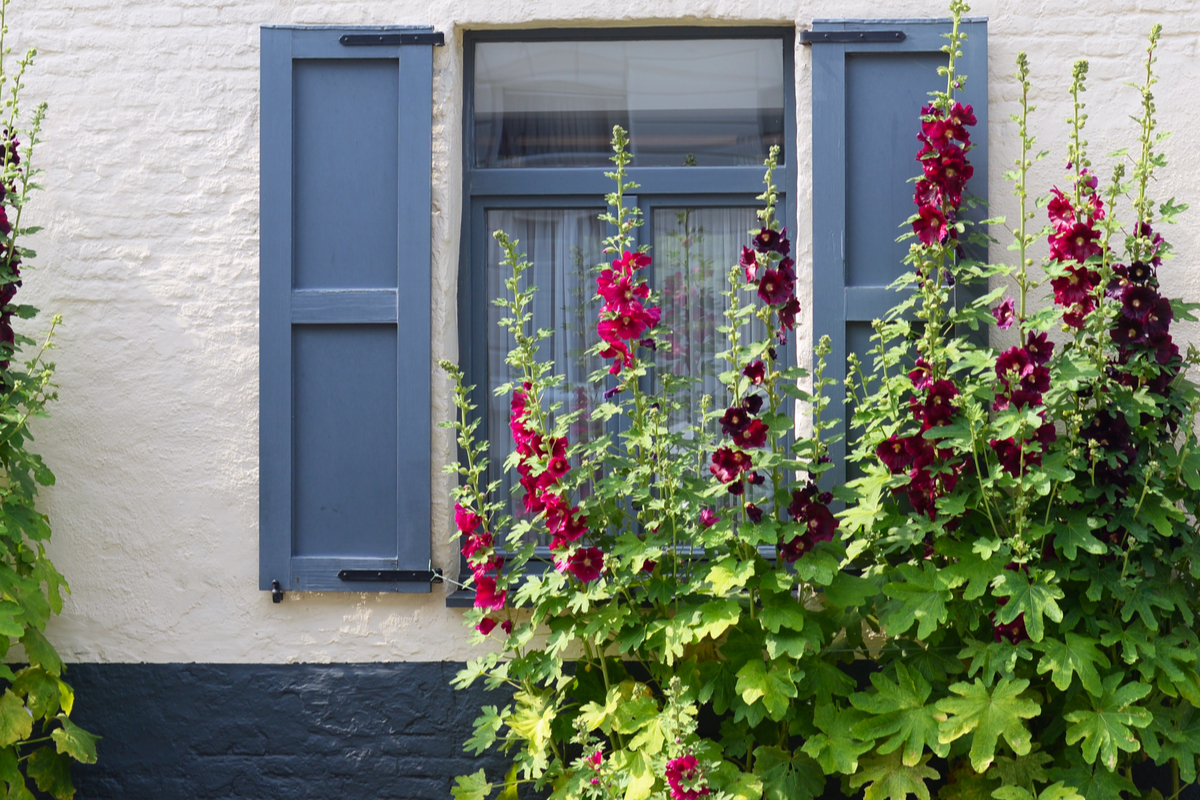
Hollyhocks are host to young moths, also called caterpillars, which can cause unsightly damage to the webbed leaves of the hollyhock. Plant shorter Hollyhock Friends in front to camouflage the beneficial properties of this plant.
The height and beautiful heritage of the hollyhock make it a Cottage Gardens favourite.
3. Do hollyhocks like sun or shade?
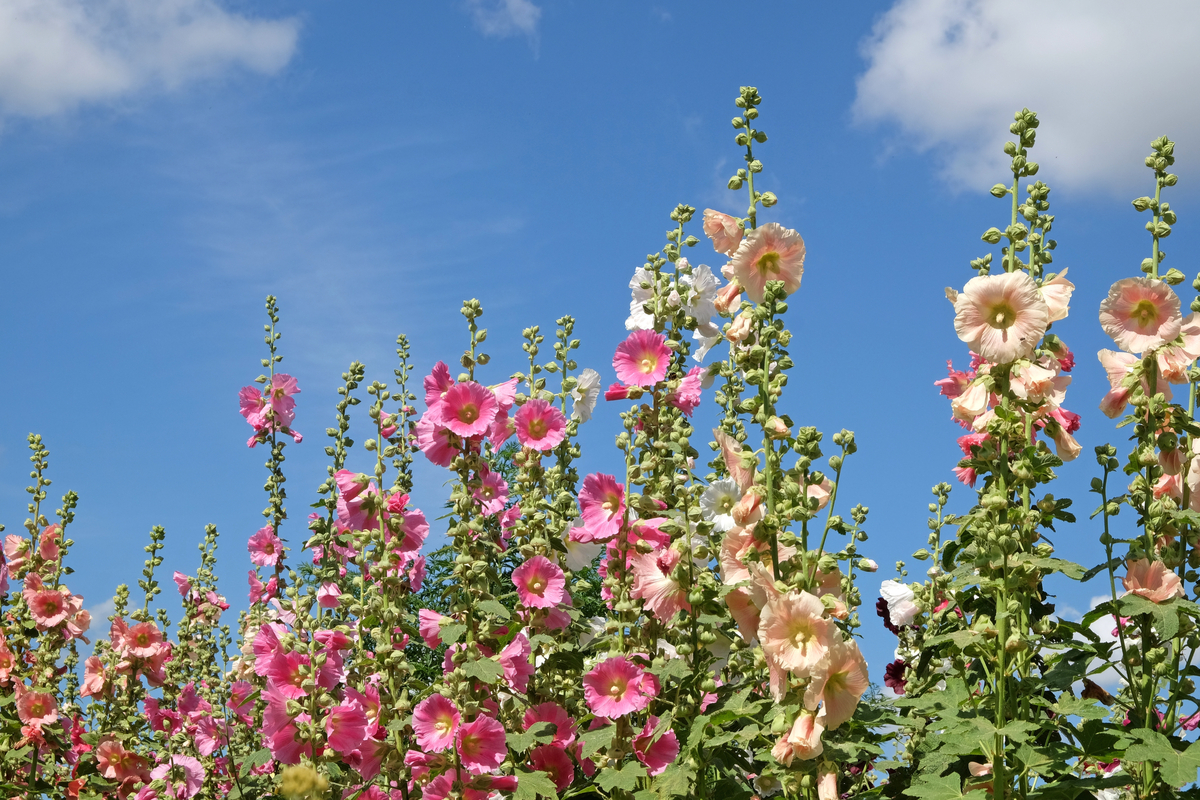
Deep, well-drained soils in full sun are ideal for hollyhocks.
They tolerate partial shade, but their blooms may not be as spectacular.
In areas with high or excessive humidity, well-spaced hollyhocks in full sun will thwart fungal diseases like rust.
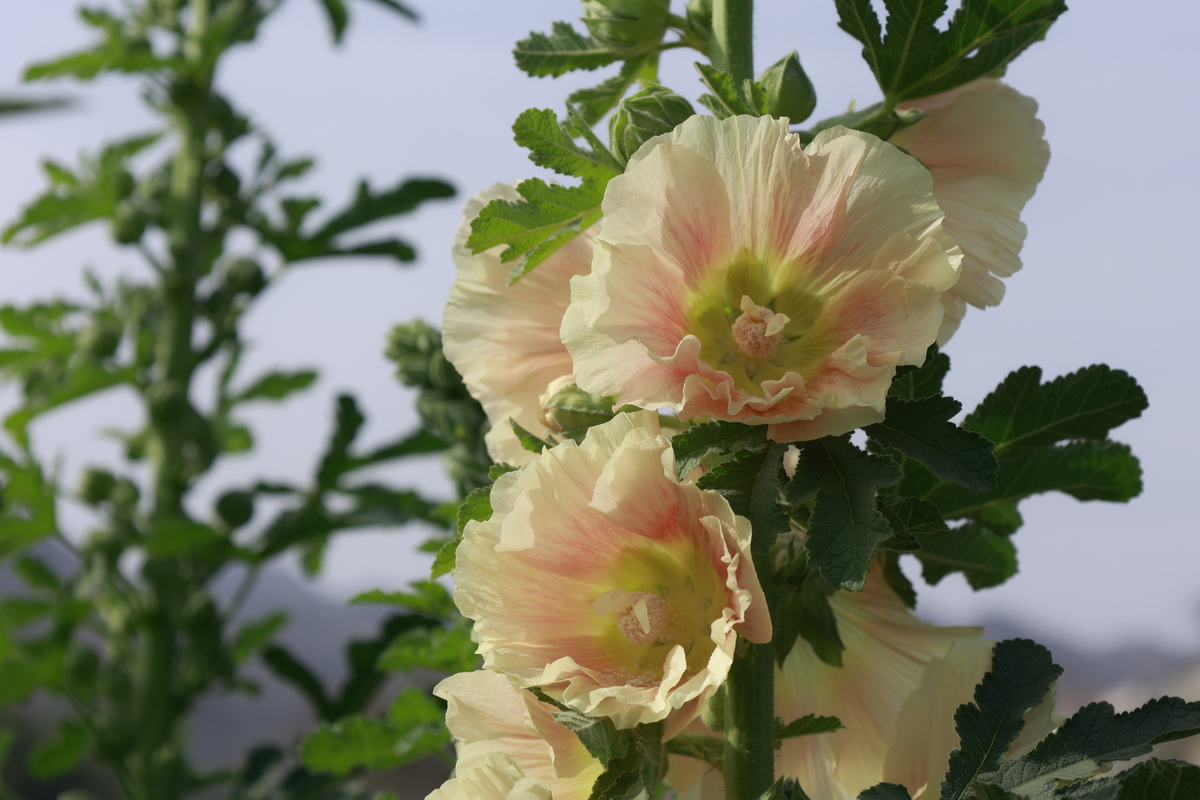
However, in hot, dry parts of the country, a small shady shelter can provide extra moisture for hollyhocks.
4. What soil do hollyhocks like?
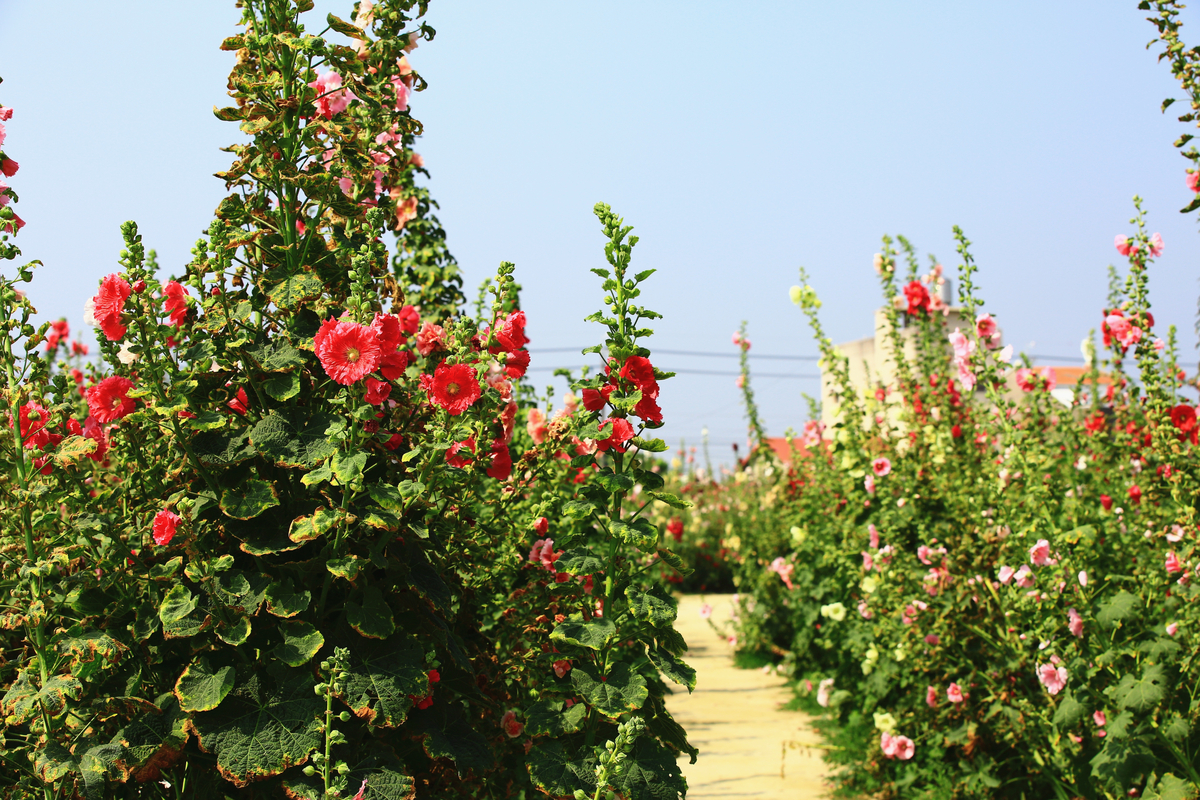
Hollyhocks would be considered heavy feeders and like moist, rich soil.
They will grow in almost any type of soil, but rich, deep, well-drained soil will give you the best results.
Amend the soil with organic matter like well-rotted manure or compost to create ideal conditions for your hollyhocks.
Mulch or cover with compost or organic matter, but provide excellent air circulation to minimize disease.
5. Choose Hollyhock Varieties for Your Garden Theme
Hollyhocks with contrasting centers

The Halo series has elegant contrasting and complementary centers. They produce bushy, multi-stemmed 5-8 foot plants in shades of apricot, cherry, cream, pink, red, and white. The halo series is distinguished by its resistance to oxidation.
Double-flowered hollyhocks
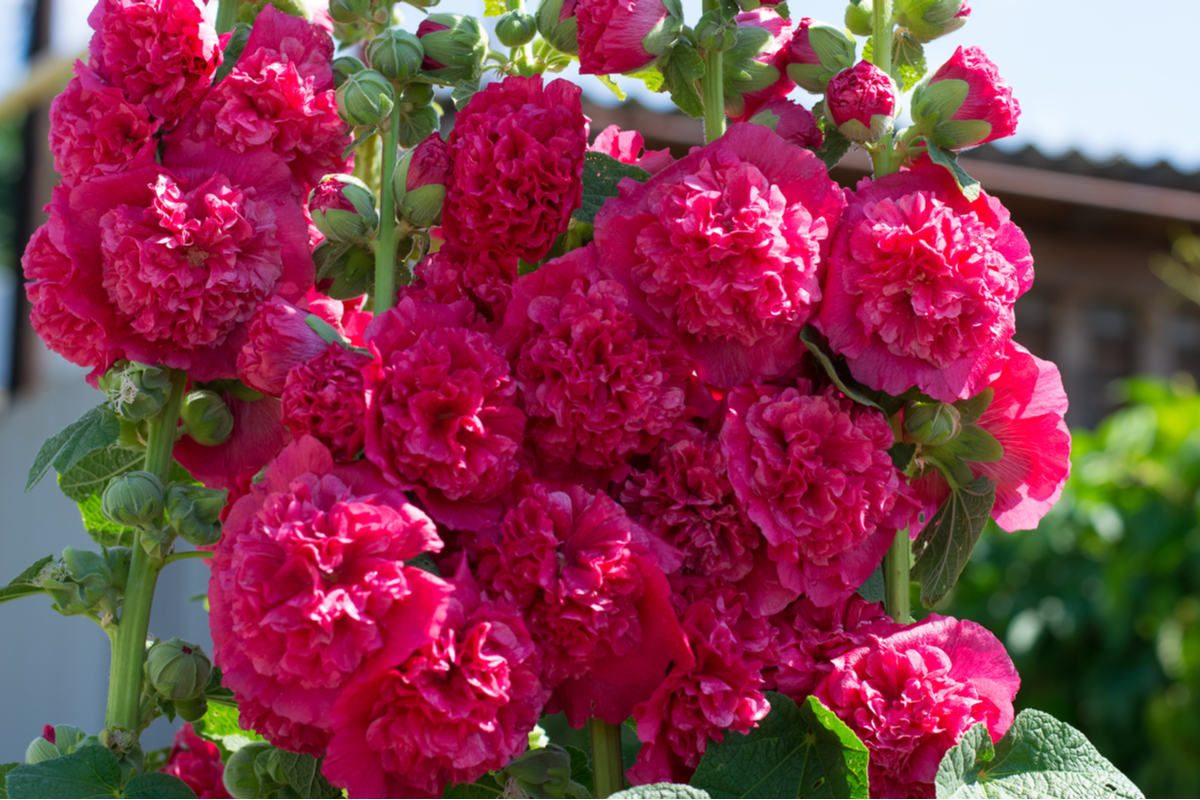
Chater’s, Summer Carnival and SpringCelebrities are double hollyhock varieties with lots and lots of giant, ruffled carnation-like blooms in all your favorite shades of hollyhock.
The deepest red hollyhock
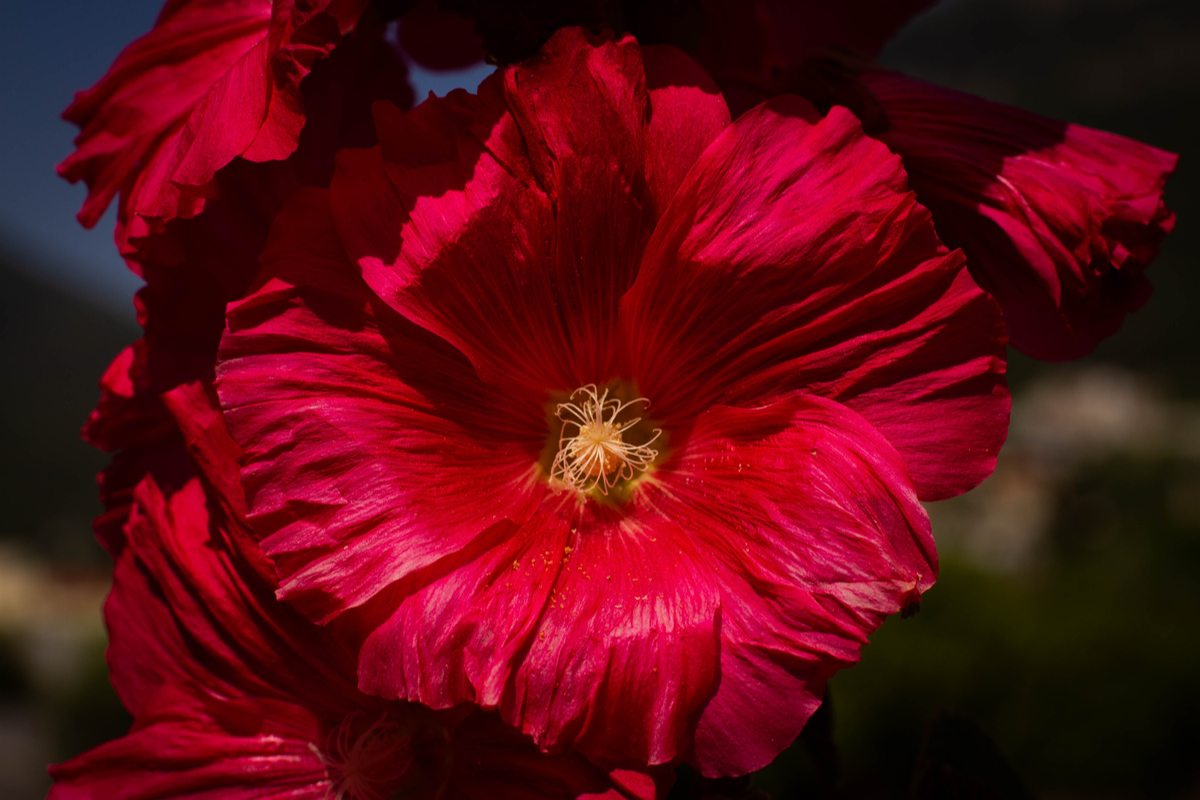
Chater’s Scarlet O’Hara double Hollyhock and Mars Magic Hollyhock are a pair of pretty red cultivars.
Darkest black hollyhocks
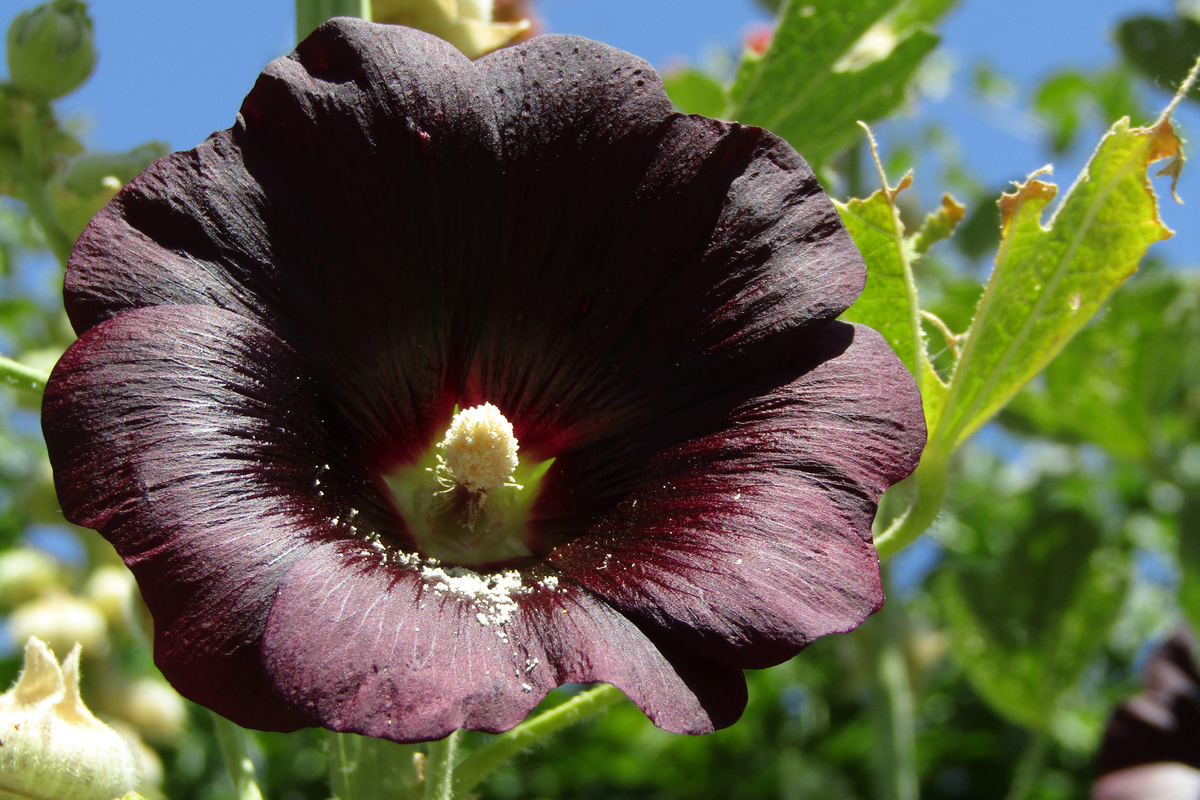
Almost real black flowers! Varieties of black hollyhock (Alcea rosea ‘Nigra’) include “Jet Black”, “Black Watchman”, and “Blacknight”.
Roses the prettiest hollyhocks
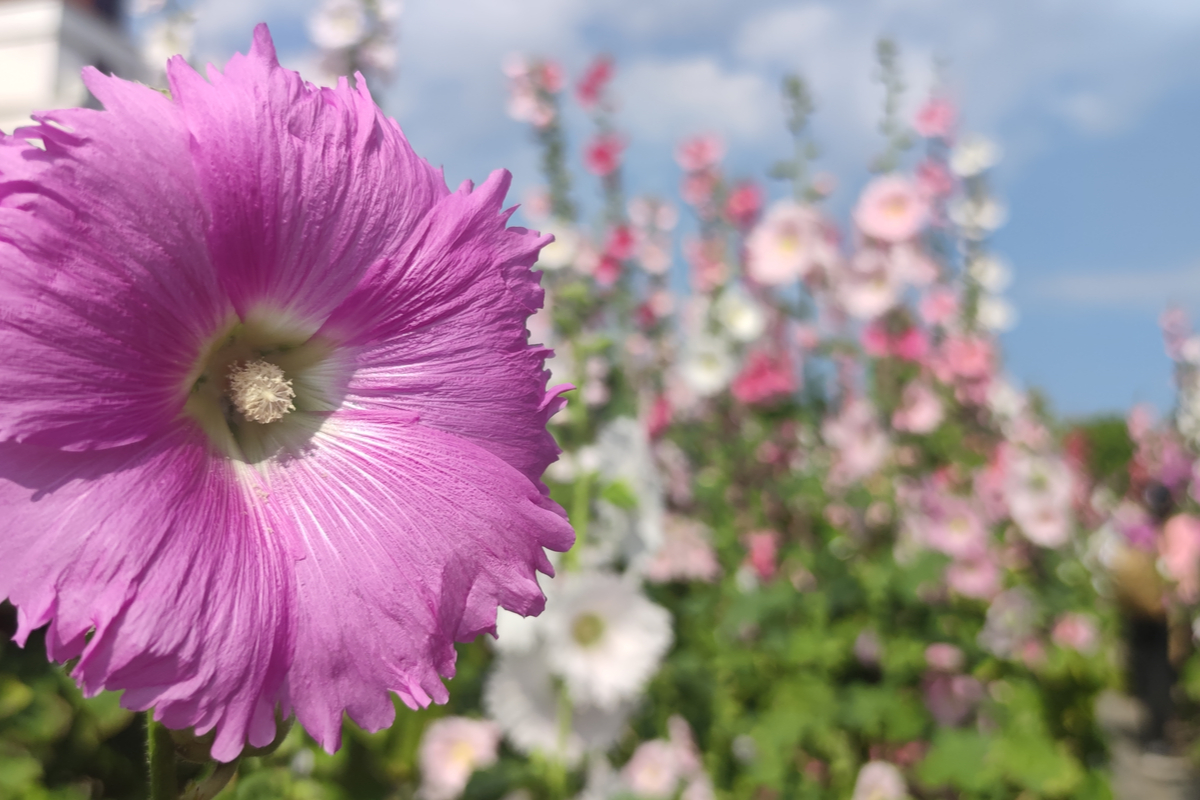
On our list of the most beautiful pink perennials, rose mallow varieties include Radiant Rose, Halo Cerise, and Spring Celebrities Pink.
Full moons of white hollyhocks
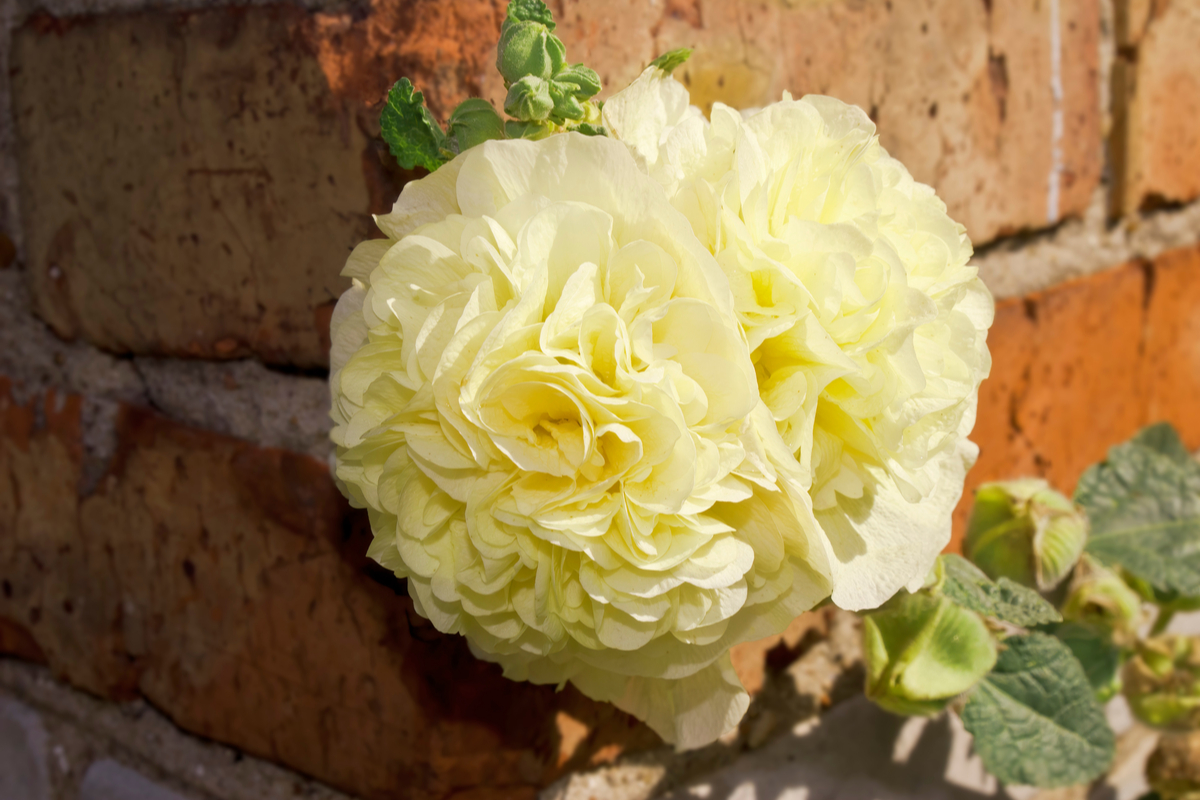
Moon Garden’s appeal will skyrocket with tours of Charter’s Icicle, Spring Celebrities White and The Bride.

An excellent selection of hollyhock seeds are available from Garden Swallowtail Seeds and Mushroom Seeds.
6. Hollyhock Garden Benefits and Companion Plants
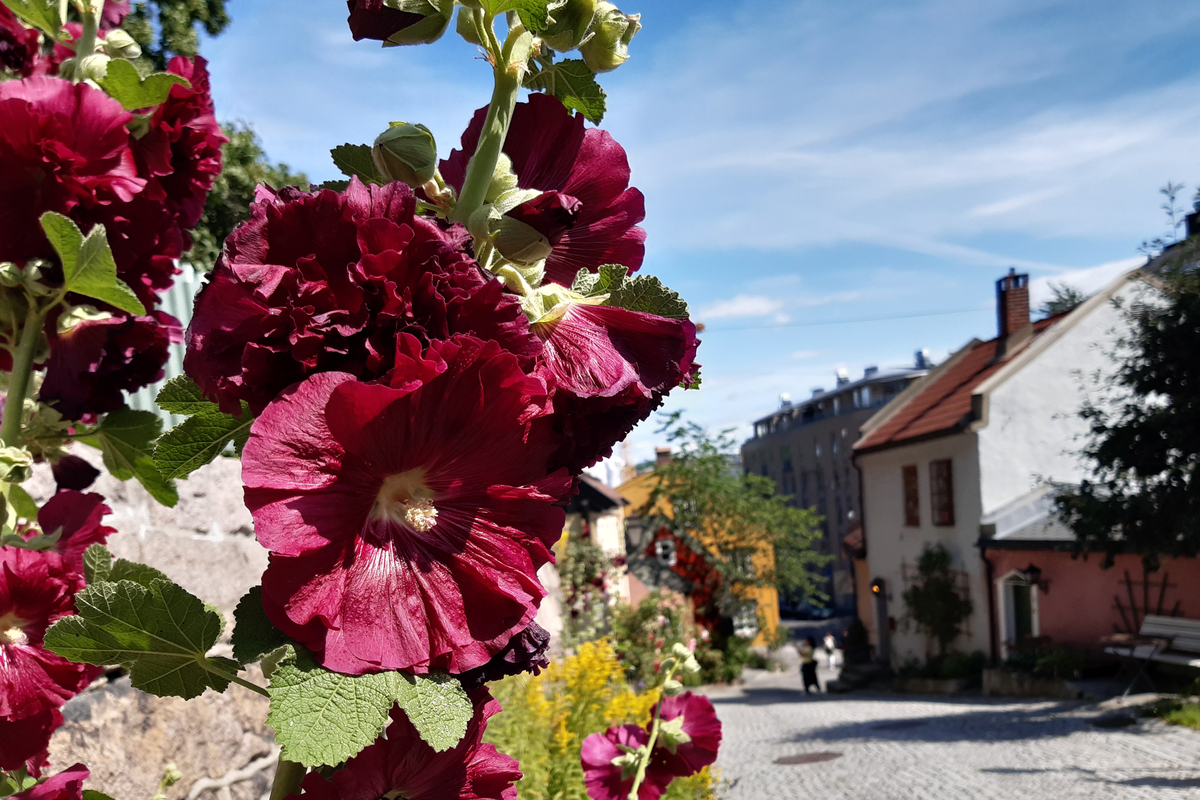
The enormous value of the petals with a spectacular towering height is one of the many virtues of the hollyhock.
Hollyhocks attract pollinators, house and feed butterflies, and are visited by hummingbirds for additional entertainment in the flower yard.
Bee balm is a great companion for hollyhock, as are dahlias, roses, phlox, echinacea, daisies, and carnations.
Hollyhock is related to mallows and hibiscus and can be used similarly in herbal teas and diet preparations.
7. Should You Deadhead Hollyhocks?
Well, it’s a matter of sowing or not sowing.
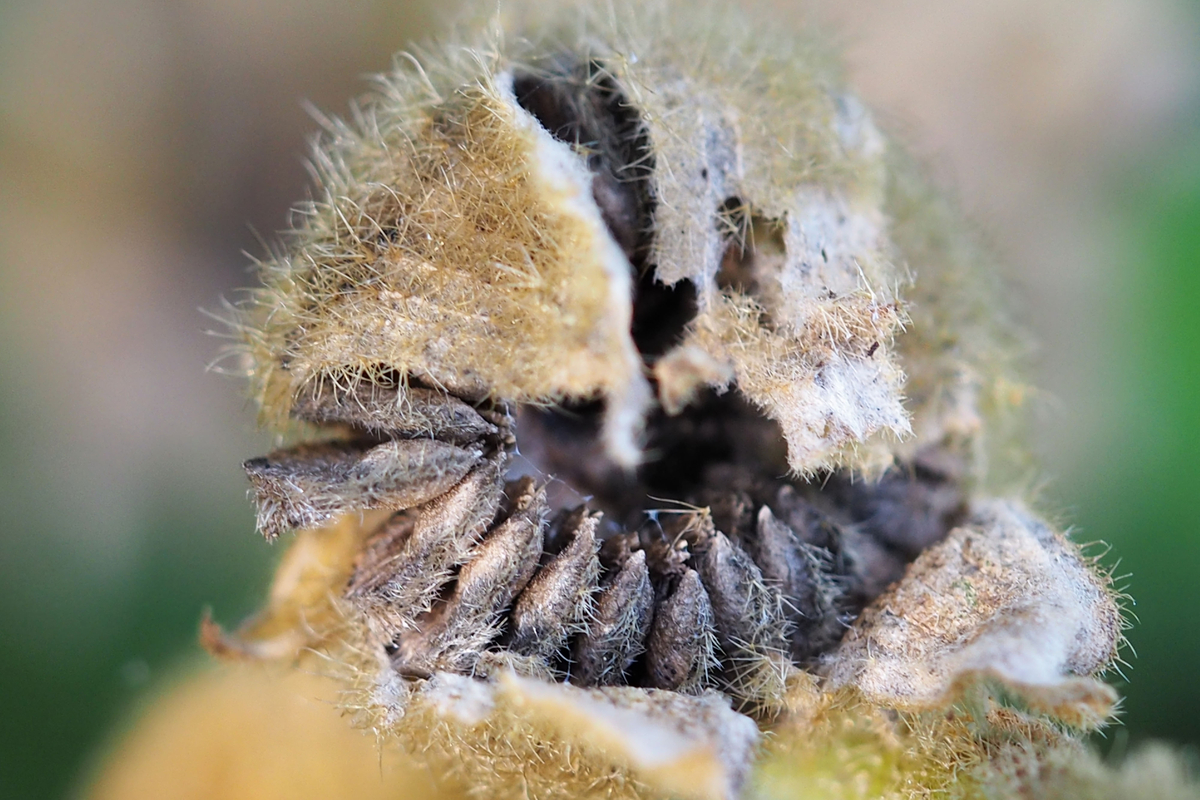
First, the hollyhock blooms from the bottom up. If the first flowers wither and go to seed, the plant may not fully open the buds at the top of the stems. Pinching the flowers as they fade encourages flowering all the way to the stems.
But from seeds produced at the top of the plant, plants cannot grow as vigorously as plants from seeds produced in the lower and larger flowers. Collecting seeds from the largest and earliest flowers promotes a succession of generations of plants that produce the largest and earliest flowers. A theory; observed by me.
Deadhead is a matter of taste and whether you want hollyhocks to reseed naturally.
8. How to Care for Hollyhocks in Winter in Cold Climates
A note on growing hollyhocks in cooler climates. Plan for second year blooms as they need robust first year growth during shorter growing seasons. I believe this is true even for varieties that claim to flower the first year.
Your first-year hollyhock plants will benefit from a layer of mulch to protect them from varying winter freezing temperatures.
Remove the mulch in early spring to prevent fungal diseases, especially in soggy, wet soils.
9. Grow hollyhocks from seed
Hollyhock will reseed freely in garden conditions. They rarely escape into the wild, which is great if you’re worried about introducing non-native species outside your garden.
In temperate regions, sow seeds outdoors in late summer and bloom the following summer.
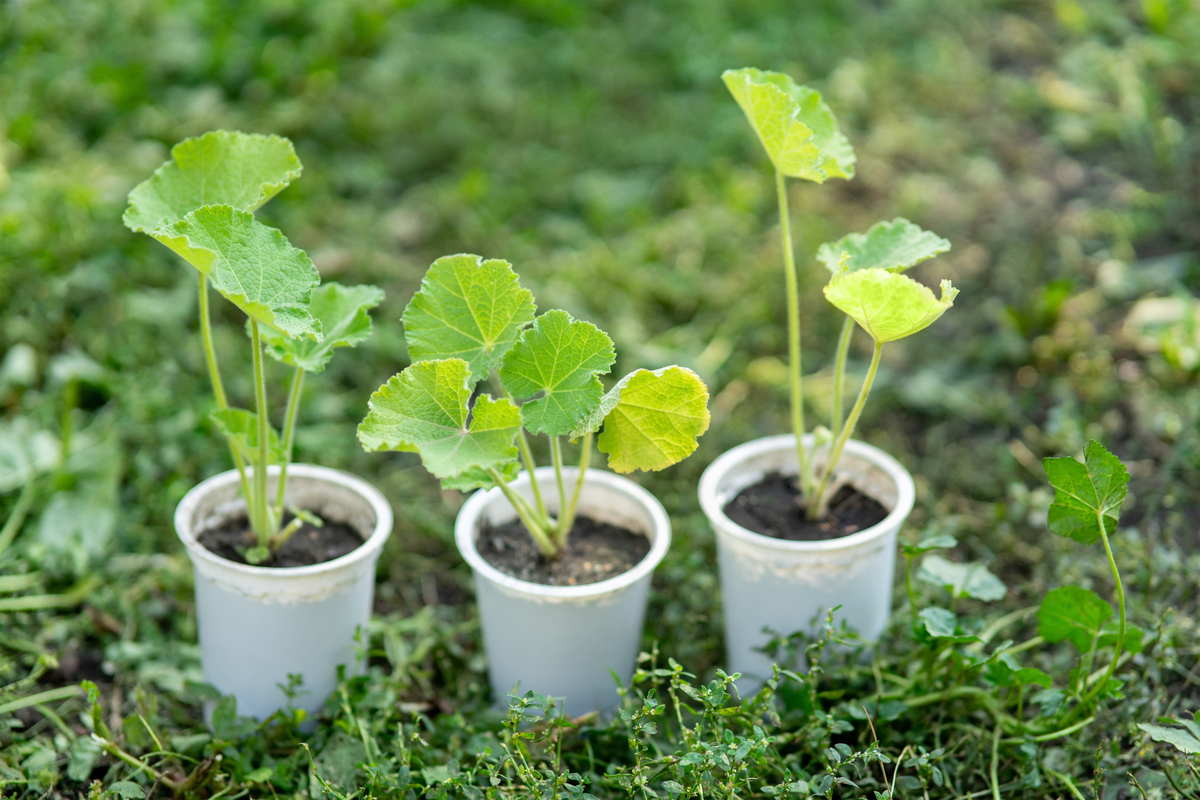
Ambitious, you can start seeds indoors 8-10 weeks before your last frost date.
This early start can bloom during the first season or beyond, depending on weather, climate, and hollyhock cultivar.
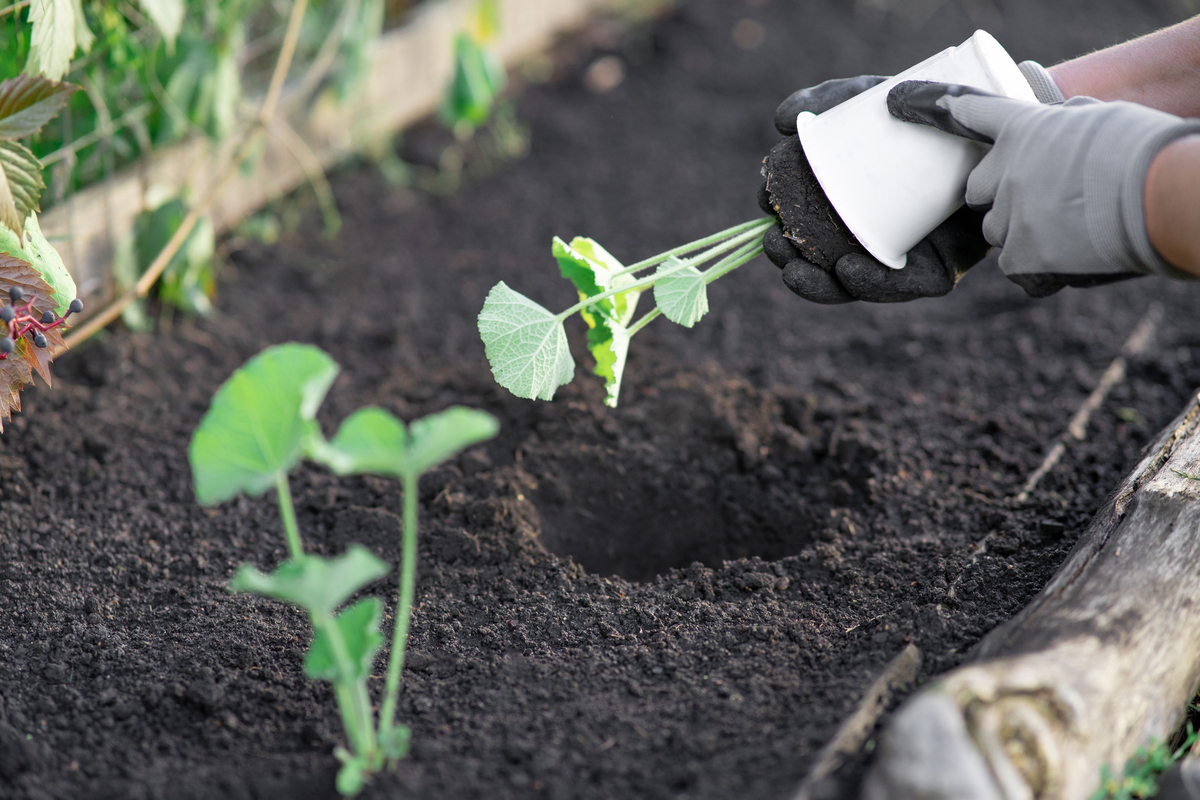
Sow the seeds in cooler areas with shorter growing seasons in spring or early summer to give the plants a head start for next year’s flower show.
The germination rate is variable. For greatest success, the ideal germination temperature is 60° to 70°F.
For other plants that grow on their own, check out 12 Beautiful Plants That Grow On Their Own Anywhere in Your Garden.
10. Protect hollyhocks from pests and diseases
Hollyhocks, as beneficial as they are beautiful, can also feed some unwanted garden visitors.
Along with the young butterflies, also known as caterpillars, snails, snails, Japanese beetles and spider mites can feast on the lush foliage.
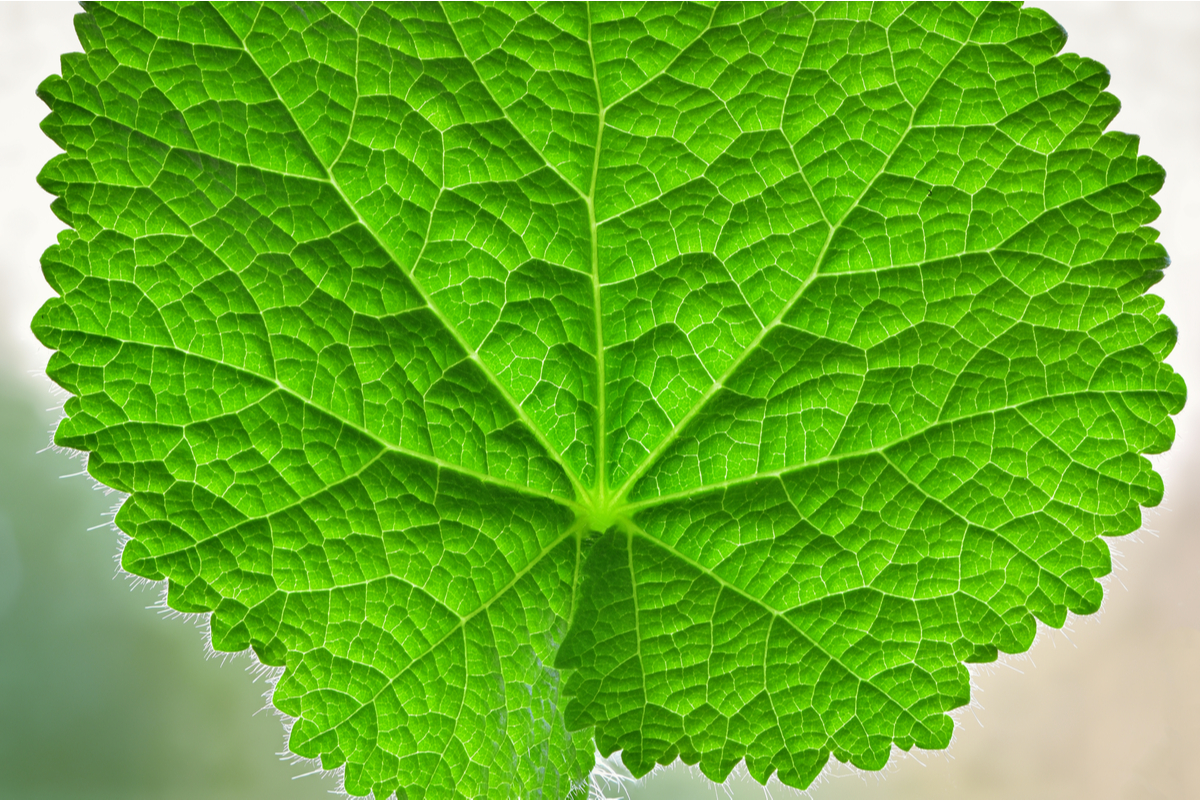
A fast-spreading fungal soil disease known as rust can also damage, discolor, or stunt hollyhocks.
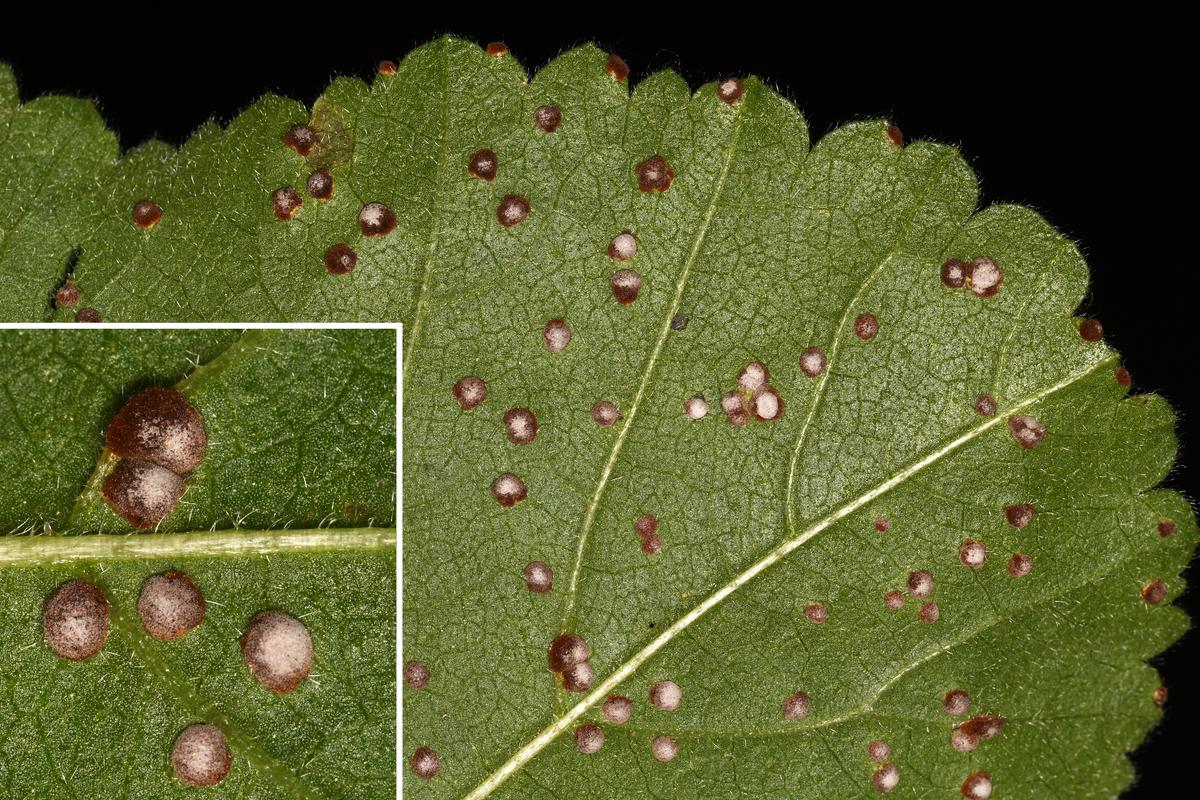
For the prevention of hollyhock diseases and pests:
- Water at ground level rather than the leaves.
- Get rid of pests like slugs and snails.
- Remove debris that may contain pests and soil diseases.
- Destroy the diseased parts of the plant. The disease can survive in the compost heap, so it is best to destroy or dispose of it.
- Thin plants to 18 to 24 inches and provide good air circulation.
- Provide excellent draining soil, especially in wet areas.
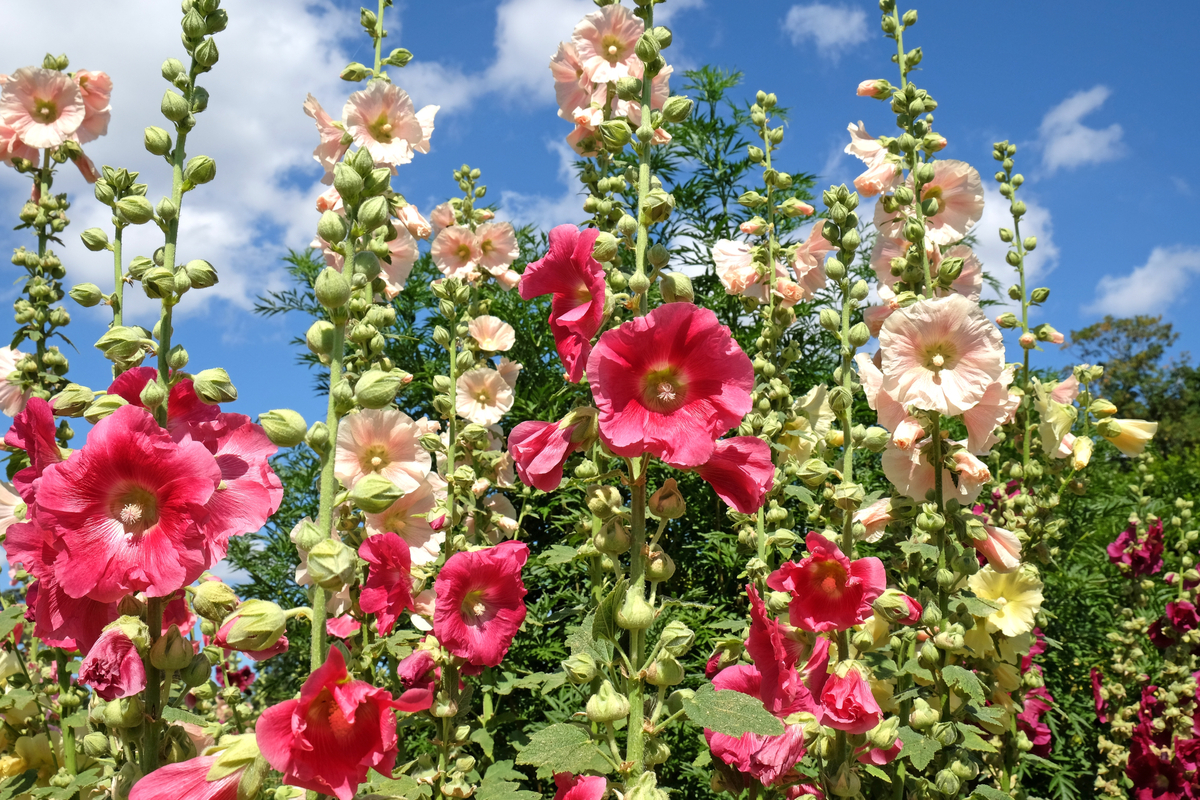
For celestial drama of the magical hollyhock color spectrum, try these 10 tips for recreating the whimsical fervor of celestial hollyhocks.