
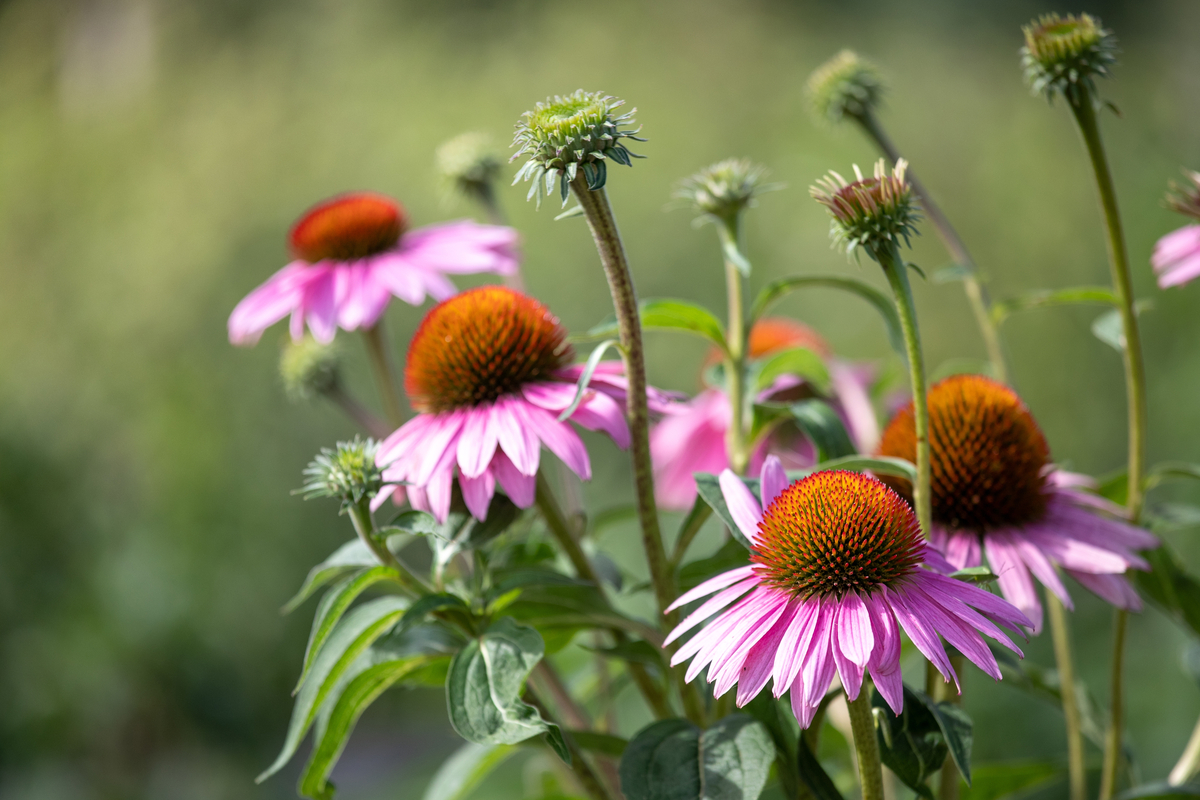
Flamboyant in abundant flowers, echinacea is a perennial herbaceous plant appreciated for its robustness and its beauty.

An easy magnet for bees and butterflies, Echinacea makes it onto the list of beautiful native perennials to grow.

Echinacea, or Echinacea, has many impressive hybrids with striking flower variations in nearly every color imaginable.

Echinacea purpurea, the purple coneflower is the native species known to attract beneficial bees and butterflies and for its medicinal use.

20 reasons to grow echinacea
- Herbaceous woodland perennial Native to eastern North America
- Widely adaptable and tolerant of many growing conditions.
- Our best perennial #2 for full sun
- Our #3 Best Shade Tolerant Wildflowers
- Drought tolerance once established
- Echinacea attracts bees
- And it attracts butterflies.
- It also attracts birds.
- Long flowering period
- Late flowering, recurrent and autumnal
- Echinacea is contagious in home gardening
- long-lived perennial
- deer resistant perennial
- Our Best Lavender Companion Plant
- Echinacea is great for crafting dried flowers.
- And fantastic in a cut flower garden
- Low maintenance
- Stunning new varieties in white, orange, yellow, red and multiple colors.
- Incredibly pink echinacea flowers
- Purple Persuasion Giant Perennial Flowers
Where to grow echinacea?
Tidy enough for the formal perennial border, Echinacea’s abundant, long-lasting blooms plant gloriously on bushes.
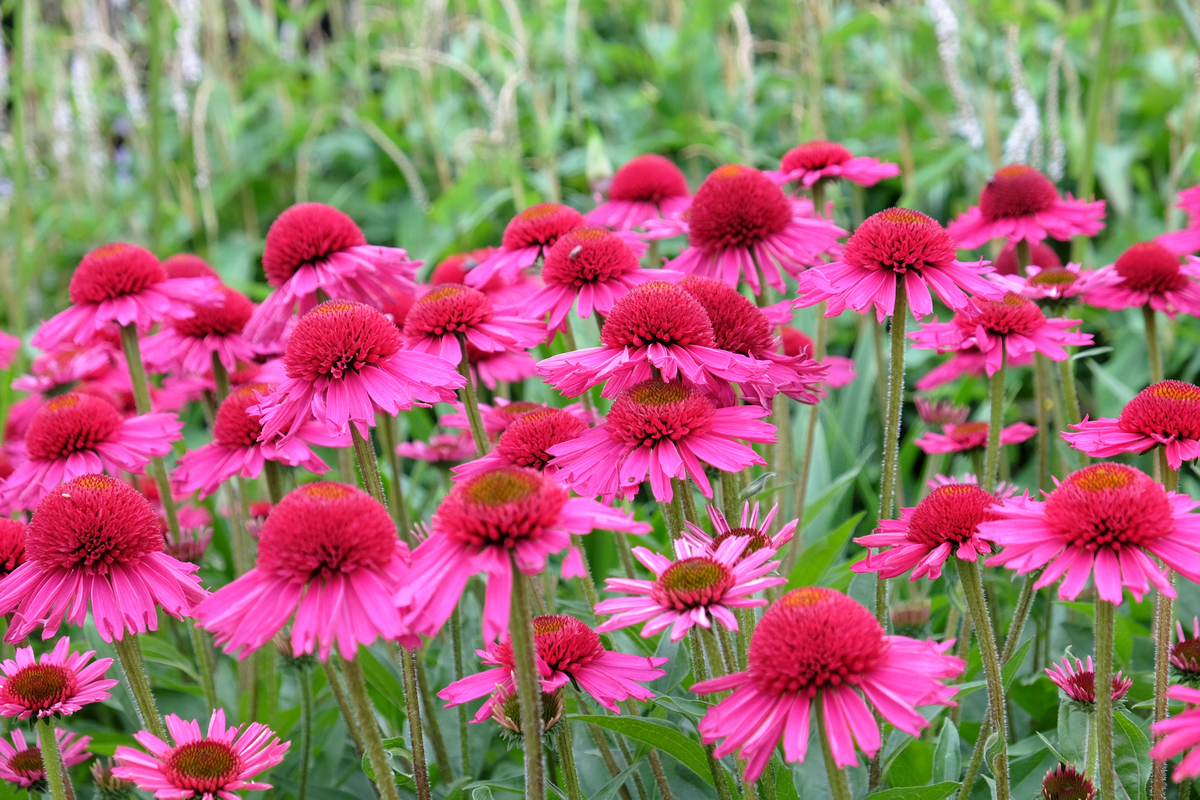 E. “Delicious sweets”
Echinacea, a prized North American wildflower, is at home in butterfly, native and cottage gardens.

You are spoiled for choice, Echinacea hybrids are available in a wide range of sizes, flower colors and flowering variations.
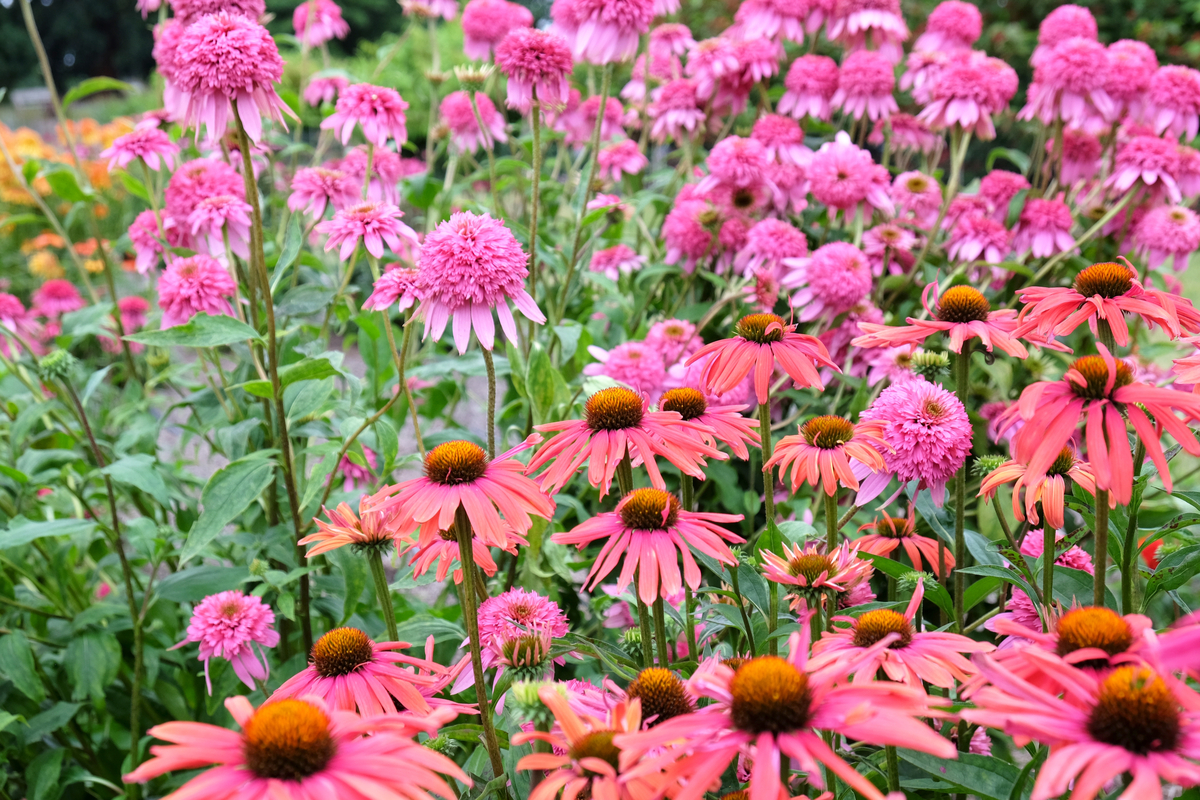 E. Double Scoop’ Bubblegum and E. Mama Mia
Overview of Echinacea
| botanical name | echinacea sp. |
| Common names | Sun hat |
| type of plant | perennial herb |
| indigenous origin | Eastern North and Central America |
| USDA hardiness zone | 3 to 9 |
| flower color | Mixtures and solids of pink, purple, yellow, orange, red, white and green. |
| flowering period | From June to August, extended until autumn with a diligent skull and crossbones |
| growth and size | 2 to 4 feet tall |
| Exposure | Full sun and partial shade |
| Appropriate soil and pH | Moderately well-drained soil, tolerates clay and a soil pH of 6.0 to 7.0. |
Plant Care Overview
Moderately well-drained soil with moderate moisture in full sun to partial shade are the keys to perfectly happy echinacea.
 E.Hat
E.HatThese long-lived perennials are low maintenance and benefit from a division every 4-5 years.

Once established, drought-tolerant echinacea grows in both woods and grasslands.

Extend the flowering period of echinacea into fall with a special topper.
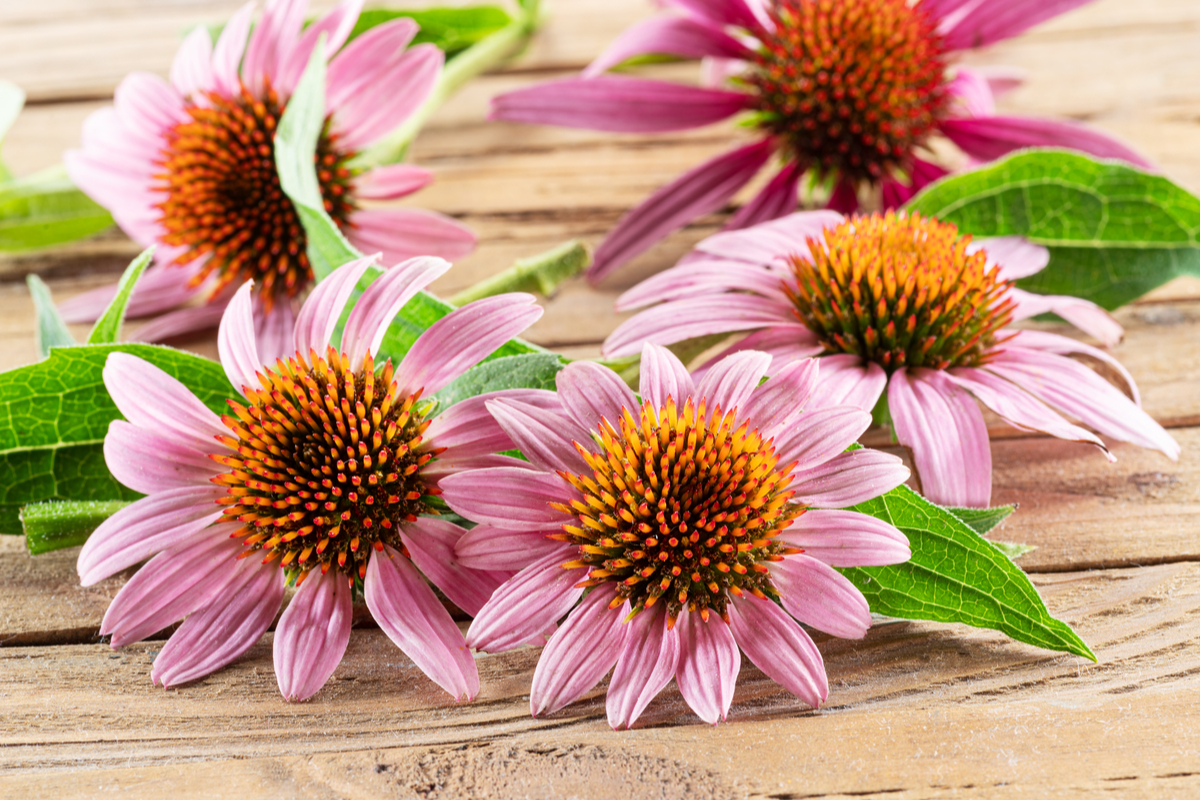
Use them for decorative dried flower crafts, or coneflowers make wonderful cut flowers in arrangements too!
Factory location:
- Area: 3 to 9
- Light: Full sun and partial shade
- Floor: Average well-drained soil with a pH of 6.0 to 7.0.
- native habitat: Eastern North and Central America.
- Temperature and humidity: Varied conditions, from rainforest to grassland.

Care needs:
- Humidity: Water well until established. Drought tolerance once established.
- Interview: Simple.
- Power source: It is rarely needed. In exceptionally poor soil, use a high-phosphorus root and flower fertilizer, such as bone meal, at planting time.
- Size / Headless: Not required. The cones dry beautifully on the plant and can withstand the winter. This provides food for wild birds like finches. If desired, cut the flowers to encourage flowering.
- Hibernate: Protect plants in cold weather with mulch and the plant’s own foliage for winter protection. In the spring, remove mulch and dead plant matter to make room for that season’s new growth.
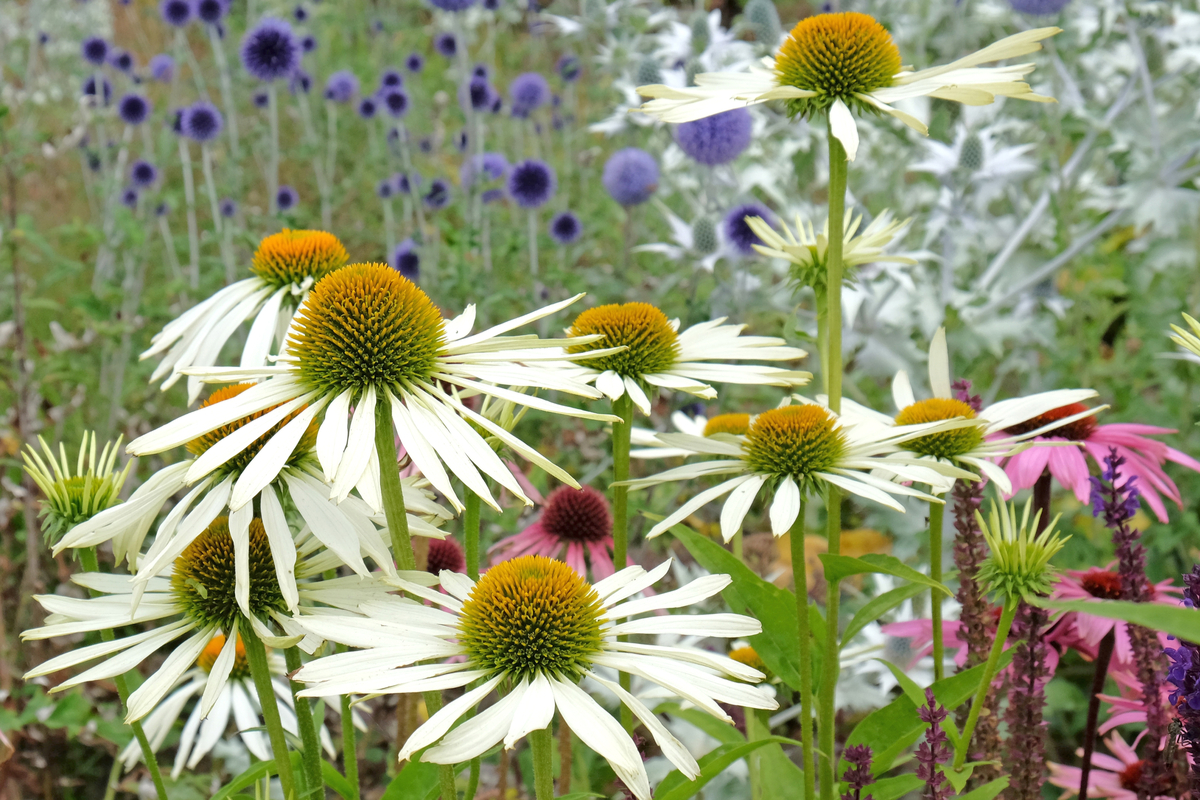 E. White Swan
Varieties and hybrids.
Proven Winners® and many plant suppliers offer a wide selection of excellent Echinacea cultivars.
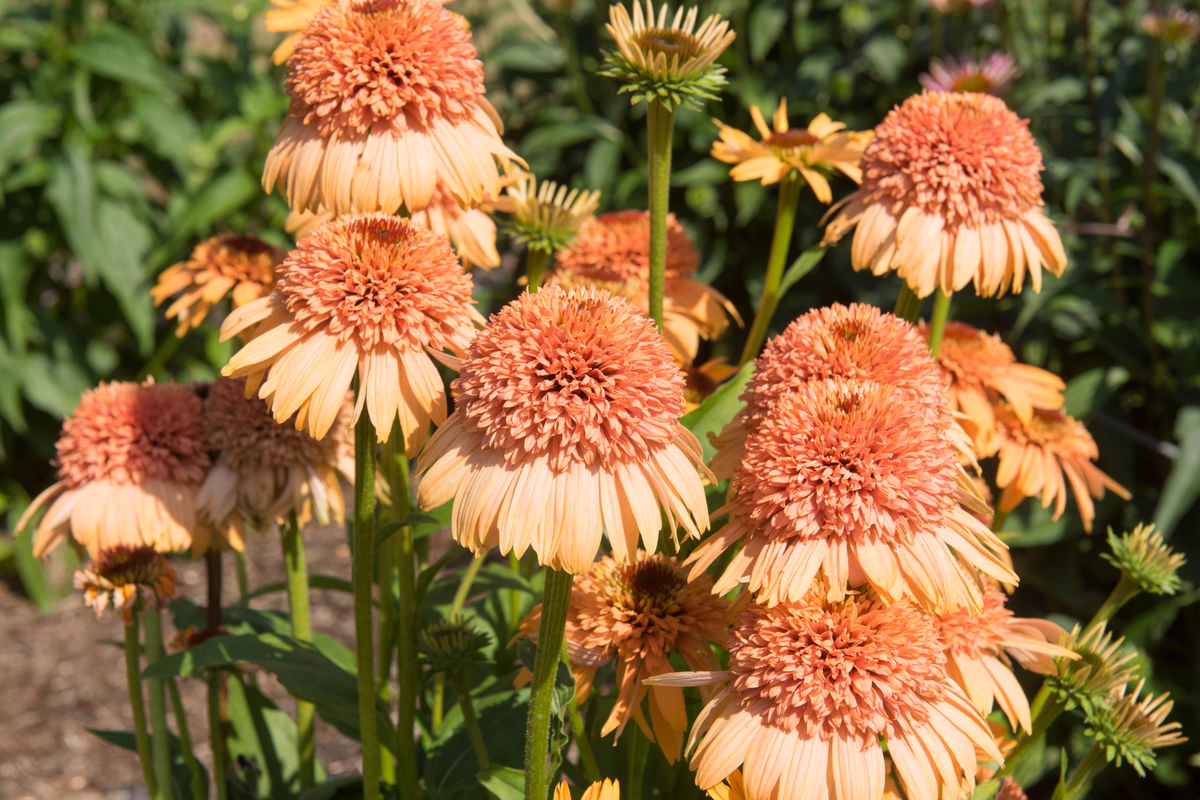 E. Melon Supreme
There are 9-10 accepted types of echinacea, including E. angustifolia, E. purpureaAND e.pallida.

Notable cultivars of the Echinacea series:
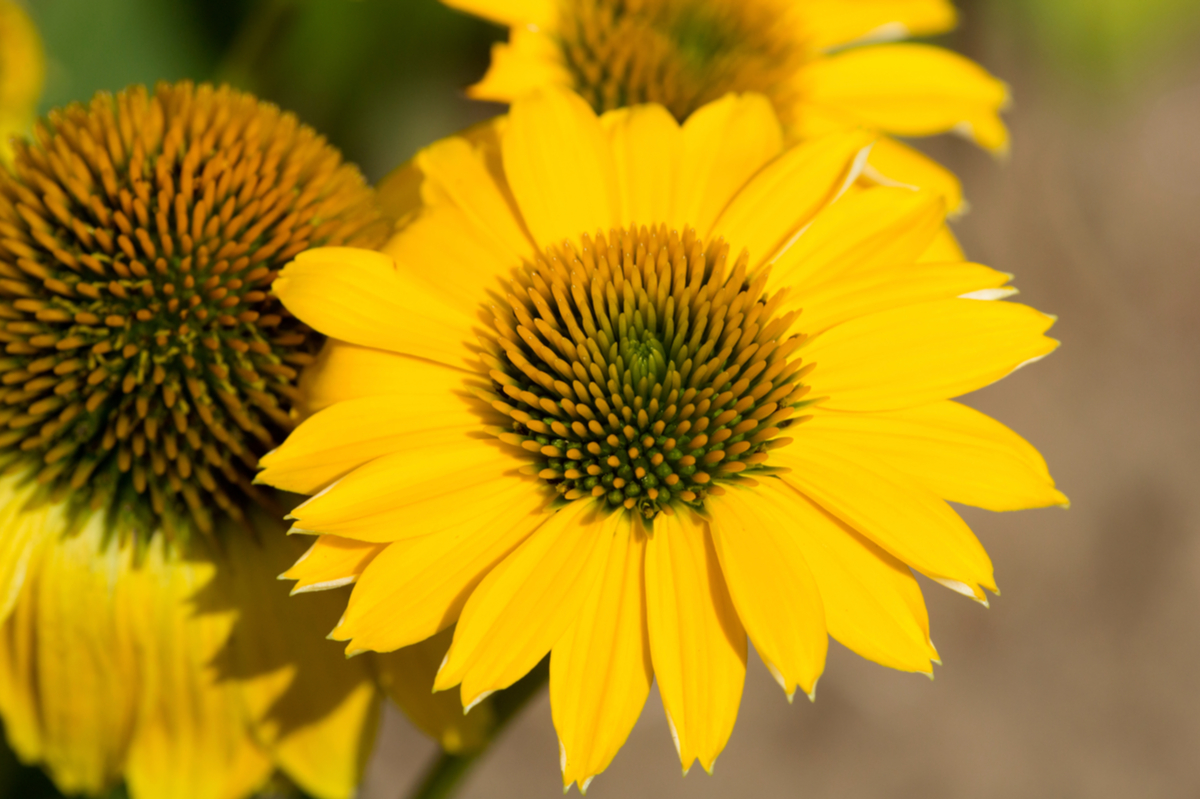 E.Hat
E.Hat- Sombrero® with overlapping petals for larger flowers.
- The Color Coded® collection has fantastic names like “The Fuchsia is Bright” and “Orange you Awesome”.
- Eye-Catcher® displays compact plants with giant, brightly colored 5-inch flowers.
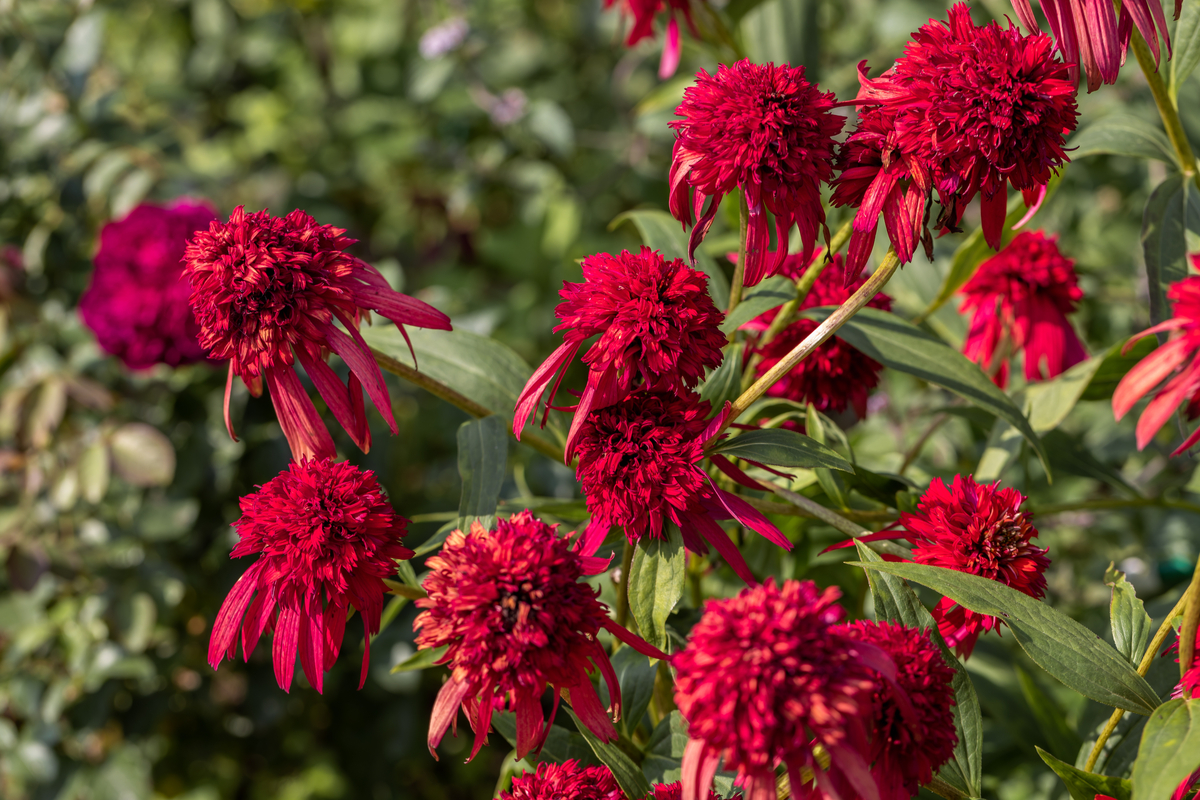
- DOUBLE SHOVELTM Echinacea doubles as a succulent double flower with a raised center cushion.
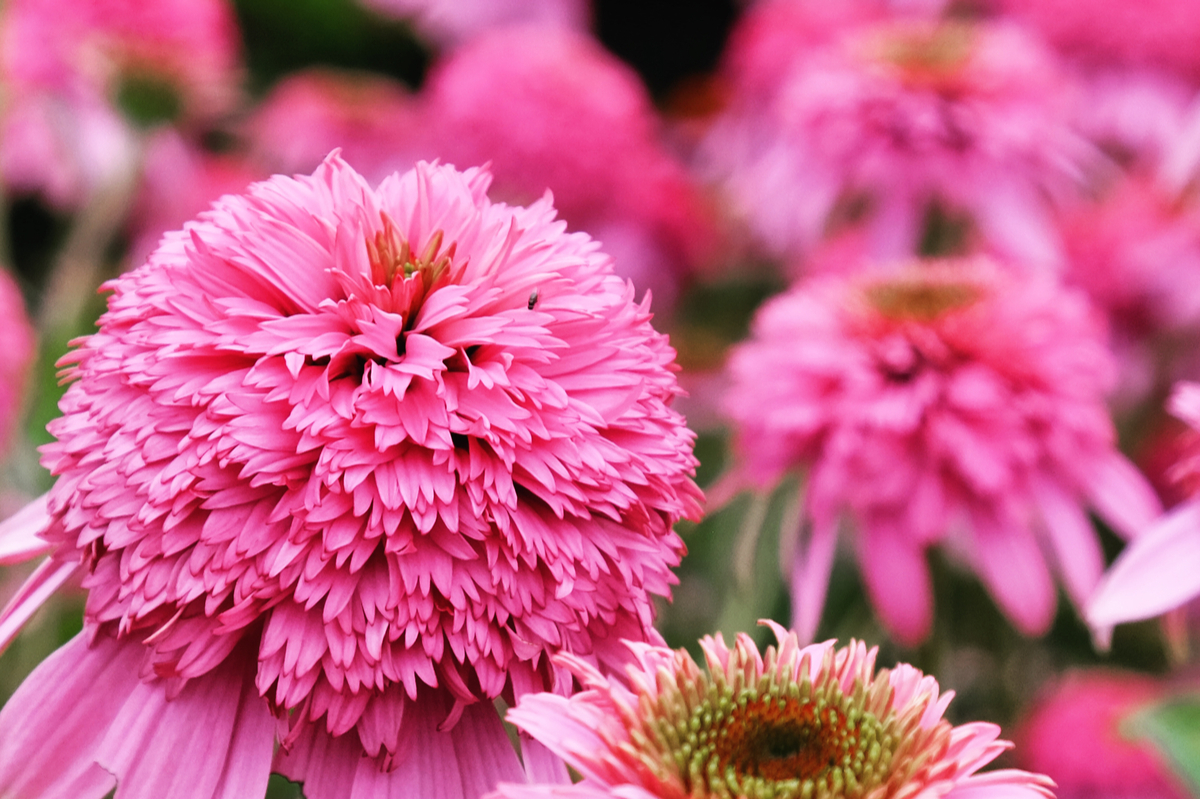 E.Razzamatazz
How to Propagate Echinacea
Echinacea can be grown by division, root cuttings or seed.
per division
- The best time to divide plants is in early spring.
- Using a shovel or similar tool, cut the root ball into halves or quarters.
- Replant carrots in medium, well-drained soil in full sun to partial shade.
- Water well until established.

per seed
Growing echinacea from seed is a great way to produce lots of plants.
Echinacea can be sown directly in the garden or started indoors to get a head start on the planting season.
 E. Secret Glimmer
Follow the directions on the echinacea seed package.
Being a long-lived perennial, plants raised from seed may not be able to produce abundant flowers in the first growing season.
Your local nursery or favorite online seed supplier may have a selection of Echinacea seeds.
Other great online Echinacea seed suppliers are Garden Swallowtail Seeds AND Burpees.

Echinacea is an easy-care perennial that adds color, beauty and style wherever it grows.