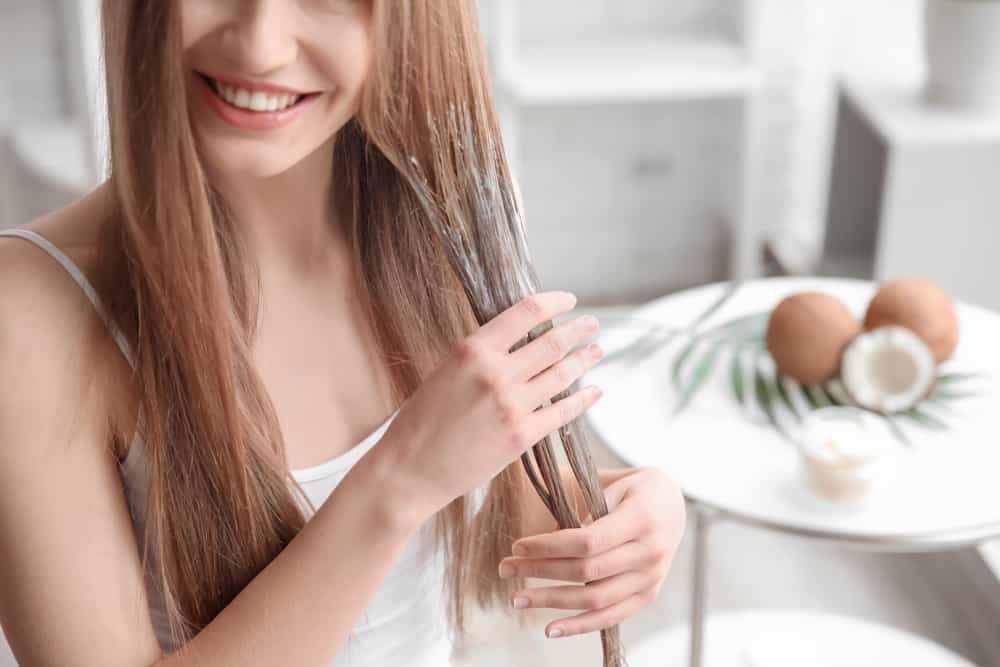
Those of us who are aware of the chemicals we use on our bodies like to make our personal care products. Commercial hair care products are often filled with toxic chemicals. When we make ours, we can choose exactly what’s in it.
If you make your own shampoo, consider homemade conditioner as well. You can create a formula that works perfectly for you and have strong, healthy hair without any carcinogens or endocrine disruptors.
Ingredients
There’s no one-size-fits-all solution when it comes to do-it-yourself conditioner formulas. Everyone has individual hair care needs, as well as preferences for scent, texture, and more. The key to choosing the best ingredients for your conditioner is understanding what works best for your entire body.
For example, I have thick type 2B waves that are prone to dryness. In contrast, my sister’s PCOS makes her naturally oily 3C coils very thin and brittle. As you can imagine, a conditioner that replenishes my hair would weigh hers down, while its lightweight, anti-frizz formula would wreak havoc on mine.
The list of potential ingredients below are some of the main ones used to create homemade conditioners.
See if you can get small amounts of the ones that work best for you and try them out. This way you can find out if you are allergic or sensitive to it.
base oil
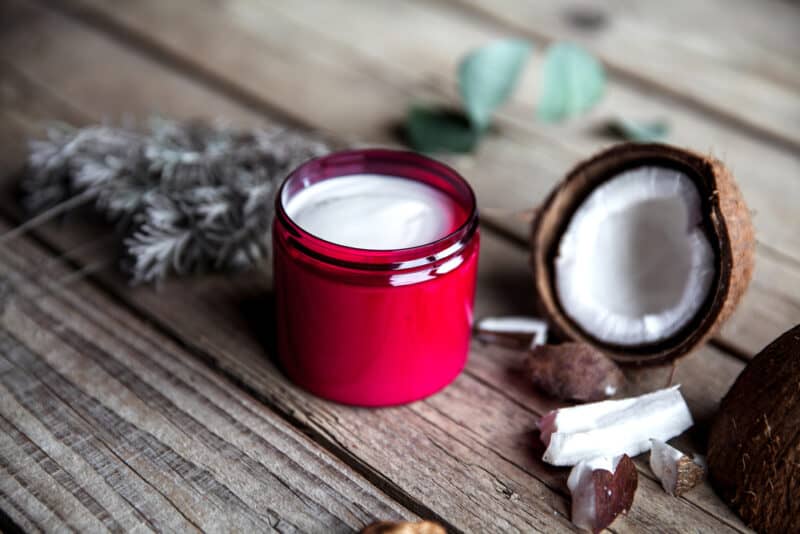
The basis of almost all conditioners is some oil. These can vary from region to region and each works best for a different hair type. Some of the most common oils used in conditioners are:
- Jojoba: close to the natural sebum of the skin and ideal for fine hair
- Coconut: versatile, ideal for almost all hair types*, fights psoriasis and dandruff)
- Olive: ideal for dry hair, or curls and curls
- Argan: ideal for damaged and dry hair, as it reduces frizz and adds a beautiful shine
- Avocado: also wonderful for damaged hair, especially from chemical processing or over-styling with irons
Some people find that coconut oil dries out their hair a bit too much. Try different oils in different ratios to determine what your hair prefers.
Humectants
This is the type of ingredient that will add moisture to her hair. People with dry or damaged hair will need richer humectants than those with naturally oily hair. Some commonly used humectants for DIY conditioners include:
Glycerin is not only a humectant, it is also used to thicken hair conditioner. It helps bind all the ingredients together, so everything pours out smoothly, rather than falling apart into runny and lumpy bits, respectively.
When using a thick butter like shea or cocoa, they should be melted or softened before mixing with the other ingredients.
You can do this in the microwave on ultra-low heat, in a double boiler, or with residual heat inside your oven. I often make skin and hair products in the evening, so I take advantage of a hot oven to soften butters, waxes, etc.
Smoothing surfactants
These can be proteins or other ingredients that bind to hair strands. They smooth the cuticles, reducing frizz or flyaways. Egg whites (eg in the form of mayonnaise) work very well for this purpose, as does argan oil.
Fragrance
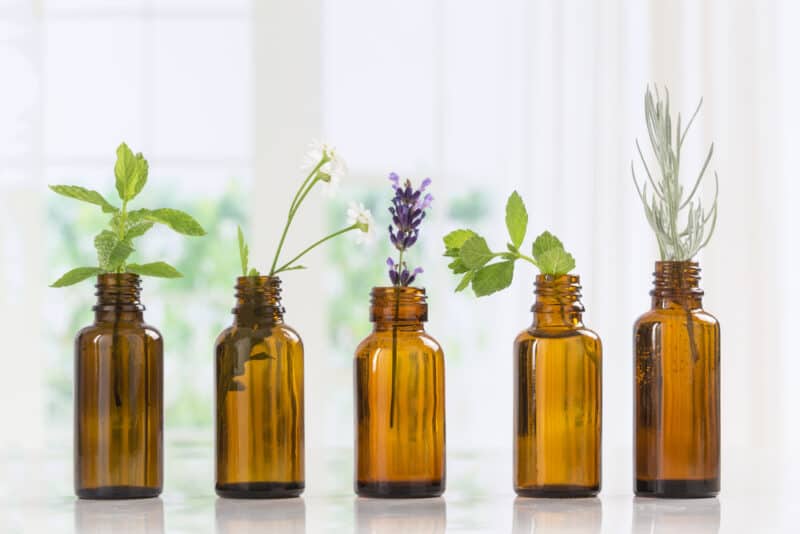
Depending on the ingredients you use, your DIY hair conditioner may already have a noticeable scent. For example, coconut oil and shea butter both have a mild sweetness. If you want to add fragrance to your conditioner, aim for an essential oil (EO) that complements the ingredients you’re using.
Nutty and lush scents like sandalwood, cedar, patchouli, chocolate, and vanilla work well with the oil bases mentioned. Certain flowers, such as jasmine and ylang-ylang, can also be complementary. If using avocado and/or argan oils, aim for citrus scents like bergamot or sweet orange.
We don’t go into stabilizing ingredients here, as that would require several articles on chemistry, chemical safety protocols, etc.
You only need stabilizers if you need your DIY conditioner to stay stable for long periods of time. The conditioners we make here are small fresh batches that can be completely used up in one use, or in about a week.
Water
If you store your DIY conditioner in a standard squeeze or pump bottle, you will need to add water to your conditioner to make it easier to use. Omit it if you want to make a thick conditioning mask instead.
Remember that bacteria thrive in aqueous conditions. As a result, you will have to use water that is rather inhospitable to bacteria. This means that you will need to boil or distill your water before mixing it with the other ingredients.
You can buy distilled water to help with this process, or even use hydrosols. These are leftover liquids from making essential oils, but you can also make your own by steaming various herbs and collecting their condensation.
1. Revitalizing Mask with Avocado and Olive Oil
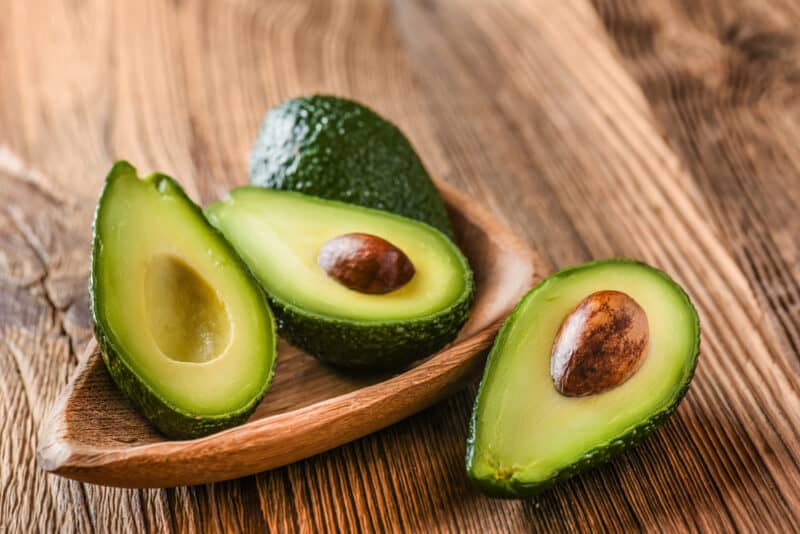
It’s my go-to when my hair desperately needs some deep conditioning. It is wonderfully nourishing and leaves my hair incredibly soft and shiny.
- 1/2 ripe avocado
- 1/4 cup olive oil
- 1 tablespoon shea butter softened at room temperature
Use a whisk or stand mixer to whip the olive oil into a cream. Reduce speed and add shea butter, mixing until combined. Pass the mashed avocado through a blender, then add it to the butter/oil mixture to mix well.
Then apply to dry or damp hair, put on a shower cap and let sit for a few hours. You can even leave it overnight if your hair is very damaged.
Rinse with lukewarm water and pat dry.
Double the amount of ingredients when making this DIY conditioner if you have very long or thick hair.
2. Jojoba Daily Conditioner
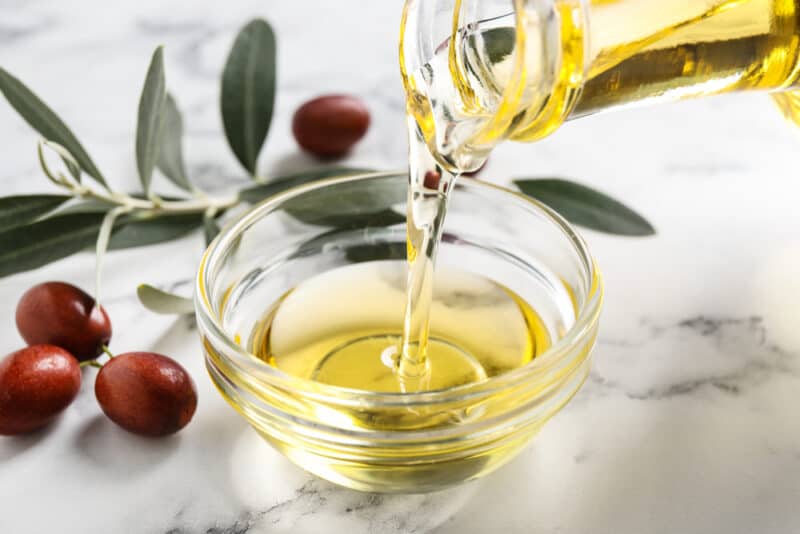
Since jojoba is as close to natural human sebum as possible, it’s an ideal base for making a DIY conditioner for people who wash their hair daily.
In a blender or stand mixer, combine 1/2 cup jojoba oil with 1/4 cup other oil(s) of your choice and 1/4 cup shea butter (softened to room temperature). ambient). Mix them together over low heat, add 1 teaspoon of glycerin, then increase the speed to medium-high.
When the oils start to turn opaque, add 1/2 cup of room temperature distilled water or hydrosol, a tablespoon at a time, to emulsify. If you find the mixture is still too thick for your liking, add more hydrosol, a spoonful at a time, until the consistency is right for you.
If adding fragrance, reduce speed again and add 20-30 drops of essential oil(s). Just make sure the fragrance(s) you add don’t conflict with the hydrosol you used.
For example, if you used a floral hydrosol, try to stick with complementary floral or woody essential oils. For example, one of my favorite blends is Orange Blossom Hydrosol with 20 drops of Jasmine EO and 5 drops of Palo Santo EO. On the other hand, my girlfriend loves fir or pine hydrosol with cedar or sandalwood HE.
Once everything is combined to your satisfaction, decant into a bottle or jar. Work this into clean, damp hair after washing and rinse with lukewarm water.
3. Revitalizing Yogurt and Egg Mask
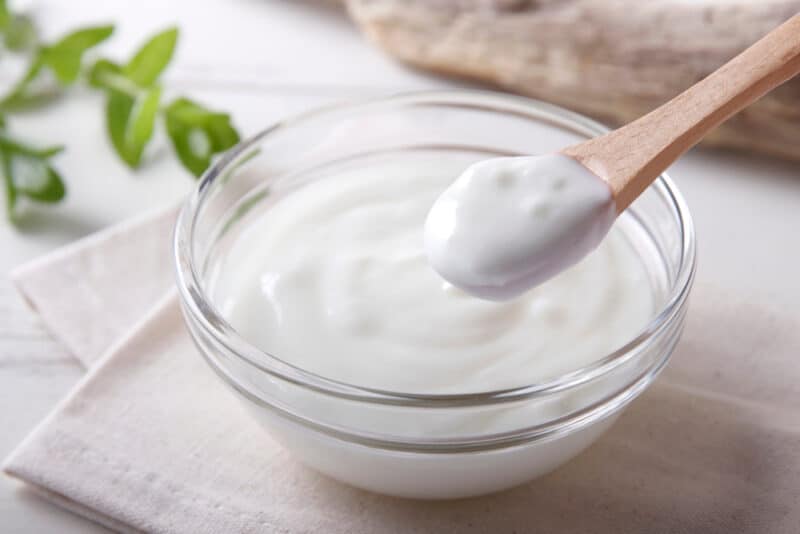
If you have fine to medium, moderately dry hair (and aren’t vegan), this could be a great do-it-yourself conditioner option.
- 1/2 cup plain yogurt containing at least 4% milk fat
- 1 egg white, separated
- 1 generous tablespoon of mayonnaise
Whisk all these ingredients together by hand or in a blender. Once it’s a thick, gooey mess, apply it to clean, damp hair and work it through thoroughly. Leave for about five minutes, then rinse thoroughly with cool water.
Note that if you rinse your hair with hot water, you will cook the egg white and then have to comb the cooked egg pieces out of your hair for at least an hour afterwards.
4. Honorable Mention: Apple Cider Vinegar Spray
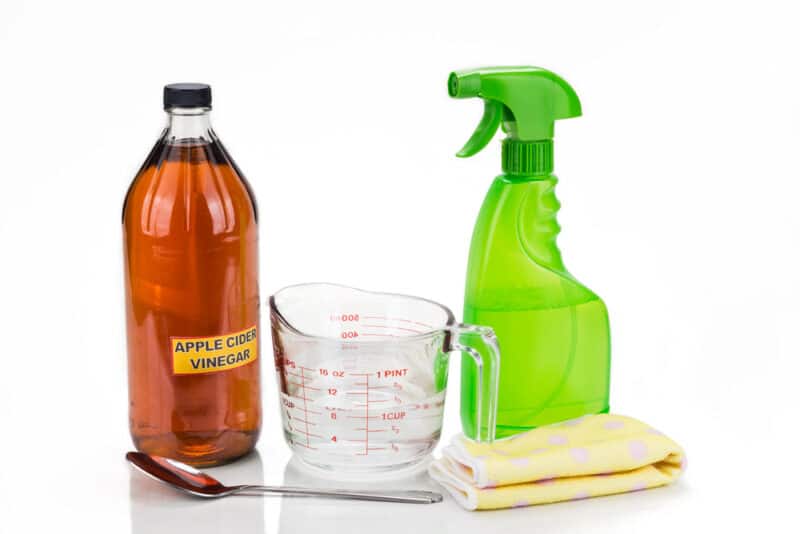
Although not a do-it-yourself conditioner, it is an effective detangler and shine enhancer.
Simply mix equal parts of distilled water and apple cider vinegar in a spray bottle. Shake gently to mix well and spray on clean, damp hair. Leave for a few minutes before detangling with a wide tooth comb.
Rinse well, then towel dry or let dry naturally, rather than adding heat. This spray may leave a slight vinegar smell in your hair, but it should dissipate considerably once it dries.
Find what you love
As with all other recipes, it’s important to play around with different ingredients when making your conditioner to see which formula works best for you.
Also, you may want to do some allergy testing on your skin before smearing your head with an ingredient you’ve never used before. Some people may react badly to coconut or argan oil, while cocoa or shea butter can also cause hives or other rashes.
Try to use high quality organic ingredients if possible. What you put on your skin and hair is just as important as what you eat. Feed your entire body healthy, nourishing ingredients, and you’re sure to notice a huge difference in your overall health and well-being.
Was this article helpful?
Yes No ×
We appreciate your helpful feedback!
Your response will be used to improve our content. The more feedback you give us, the better our pages will be.
Facebook pinterest