
If you purchase an item through links on this page, we may earn a commission. Our editorial content is not influenced by commissions. Read full disclosure.
In recent years, global diversity has decreased due to human activities. As a farmer or gardener, you are in control of bringing wildlife back and increasing pollination rates in your garden.
How to attract pollinators? And why should you care?
Without healthy pollination, you cannot grow fruits and vegetables that rely on these creatures. Three quarters of the food we grow requires pollinators. So let’s learn how to improve pollination in your garden.
Why pollination is important
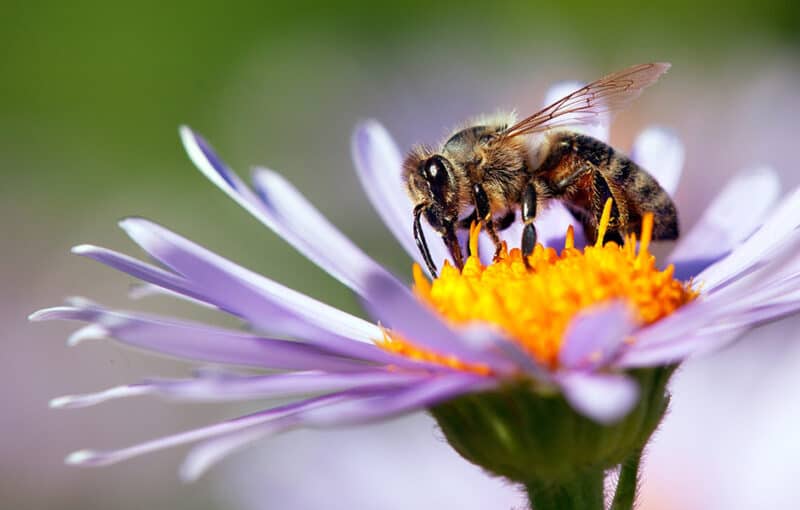
Pollination is an essential part of plant reproduction. Most plants need pollinators like bats, bees, butterflies, and beetles to transfer pollen from male flowers to the stamens of female flowers.
It is a mutually beneficial relationship because pollinators usually feed on the pollen of the plant. Thus, the pollinators receive a snack and the flowers are fertilized.
In the spring, it is common to see these beautiful flowers attracting pollinators. Pollinators awaken from their winter slumber to get to work on fruit trees and spring mayflies.
The work continues in the summer as pollinators feed on the summer flowers. You’ve probably heard the buzz of bees when they reach their peak in the summer. In fall and winter, pollination rates drop as these creatures retreat.
Committing to attracting pollinators takes year-round dedication. Yes, spring and summer are active seasons, but you’ll also want to provide winter protection so pollinators have a place to hibernate.
Types of pollinators
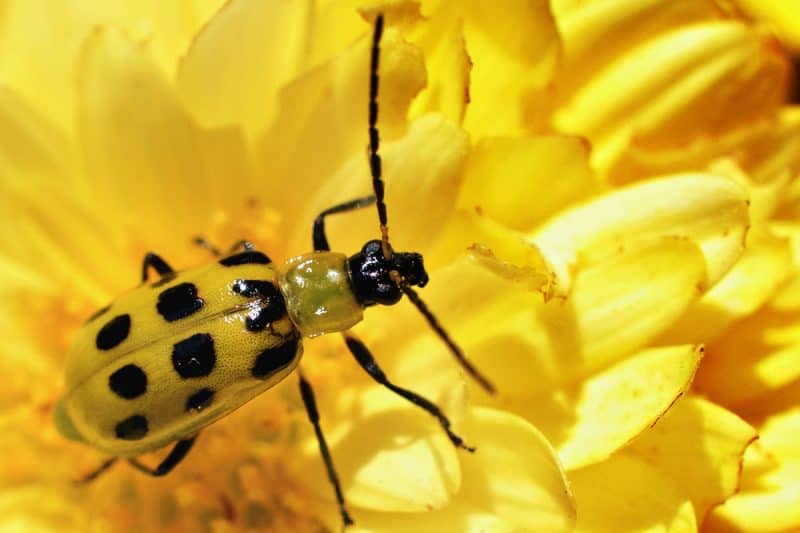
The best known pollinator is the bee, but do you know all the other types of pollinators?
Here’s a list of other critters you’ll want to attract to your yard for more diversity:
- Bats
- Butterflies
- Beetles
- flies
- Hummingbirds
- moths
- wasps
The wind also plays a crucial role in pollinating a garden space. Wind pollination is common for trees, nuts, wildflowers and grasses. But the rest of the plants, like vegetables, berries and ornamental flowers? You have to attract pollinators to take care of them.
How to attract pollinators
Many methods exist to attract more pollinators and keep existing ones alive in your garden. Without pollinators, many plants would never be pollinated. This means fewer flowers and food crops.
When you run out of pollinators, the only way to make sure plants are pollinated is to do hand pollination.
It is the manual process when the male part of the pollen is transplanted onto the female counterpart. The goal is to imitate nature and give it a hand to pollinate your plants. The exact process depends on the specific species you are working with.
It can be slow and laborious work. Let’s attract pollinators to do the work for us. Here’s how:
1. Create housing
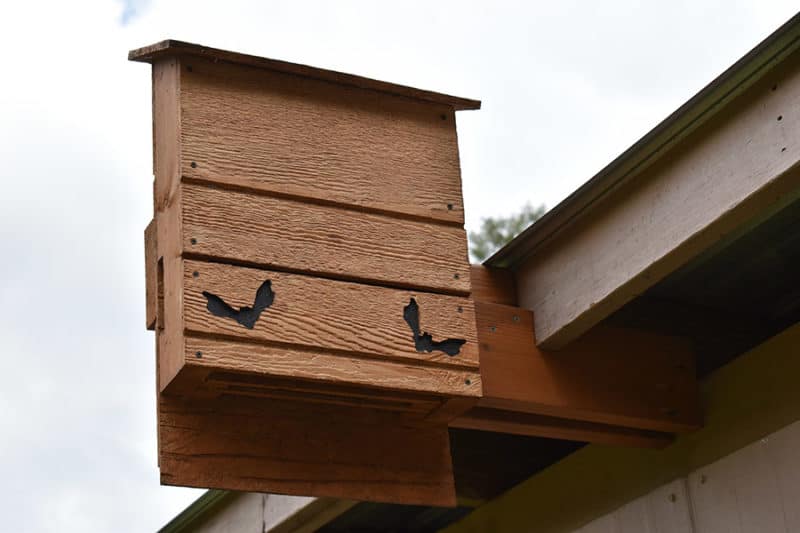
When they’re not circling your garden, pollinators need a place to live. Housing is a key way to attract pollinators.
You can purchase bee and bat shelters, such as bat boxes and bee boxes. Or, you can create the right environment in your garden for pollinators to have a place to hang out.
Bees, butterflies and moths can make their winter homes in leaf litter, in garden beds, in tree nests and under logs and rocks. Do not rake leaves or move logs or stones during winter and early spring to avoid disturbing hibernating pollinators.
If you must prune plants in the winter, examine the structure for nests. If you see any, avoid pruning that area. Also avoid disturbing the garden soil during the winter and early spring.
2. Provide water
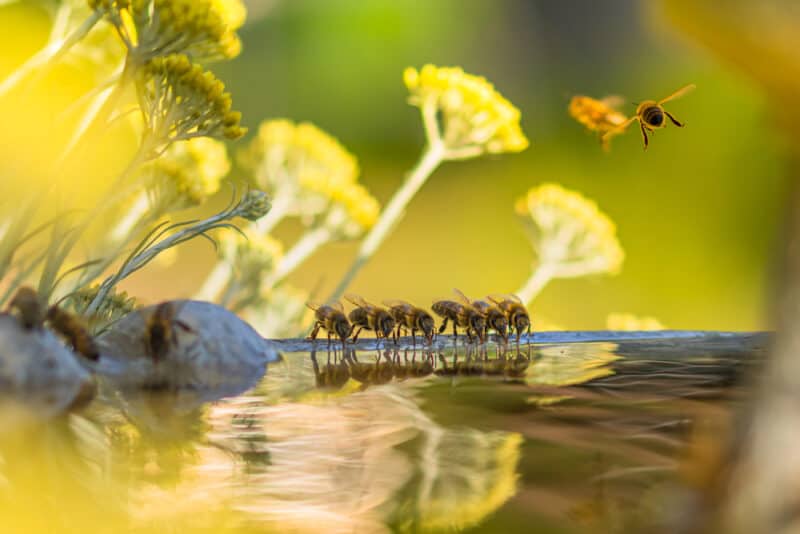
The next step is to give the pollinators a source of water to drink.
You can create a bee trough with a shallow saucer or a pot with rocks for perching. This is perfect for giving bees and other pollinators a place to drink, encouraging them to stay on your property longer. Find out how to make water troughs in our guide.
3. Plant flowering species
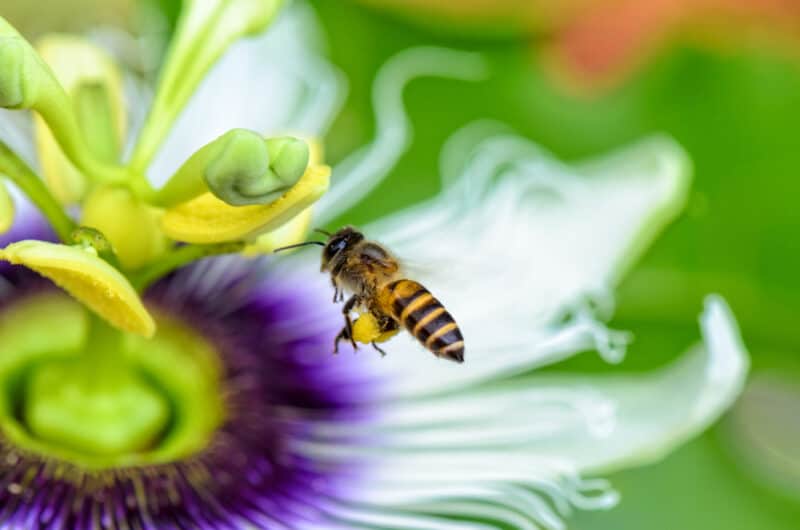
Food for your pollinator friends comes from the juicy nectar around your space. So you need to think carefully about which plants to grow with pollinators.
To start a pollination garden, consider a few points before choosing seeds. Focus on diversity. It’s best to have a range of species in one place to give pollinators new things to explore.
The highly fragrant flowers are attractive, but having a variety of colors is also helpful if you want to attract pollinators. Moreover, it will make your garden dynamic and charming!
Finally, plant according to the seasons. As the seasons change, so do the tastes and needs of pollinators. Therefore, having a mix of perennials, annuals and early season plants will give your garden the diversity it needs.
Definitely choose native flowers and plants when creating a pollination garden. These plants have evolved with local pollinators, so native plants help encourage native pollinators to visit your home.
In addition to native plants, here are some of the most popular choices for pollinator gardens:
- Bird of Paradise (Strelitzia spp.)
- Chinese bells (Platycodon grandiflorus)
- Fuchsia (Fuchsia spp.)
- Goldenrod (Solidago spp.)
- Grape Hyacinth (muscari spp.)
- Heating (Callunum vulgaris)
- Hyacinth (Hyacinth spp.)
- lavender (Lavender spp.)
- Mint (Mint spp.)
- Rockcress (Arab spp.)
- Rosemary (Salvia rosmarinus)
- Sunflowers (Helianthus spp.)
- Thyme (Thymus vulgaris)
Plant a variety of flowers that will bloom from spring through fall. See our guide to pollinator-friendly plants for more options.
4. Stop using pesticides

Studies show a 57% drop in pollination when plants are exposed to pesticides. However, many gardeners continue to use these chemicals unaware of their danger to wildlife.
If you want a quick fix for the lack of pollinators in your garden, a great place to start is to limit the use of pesticides. Try alternative methods like crop rotation and natural products that don’t harm wildlife.
5. Keep spaces messy
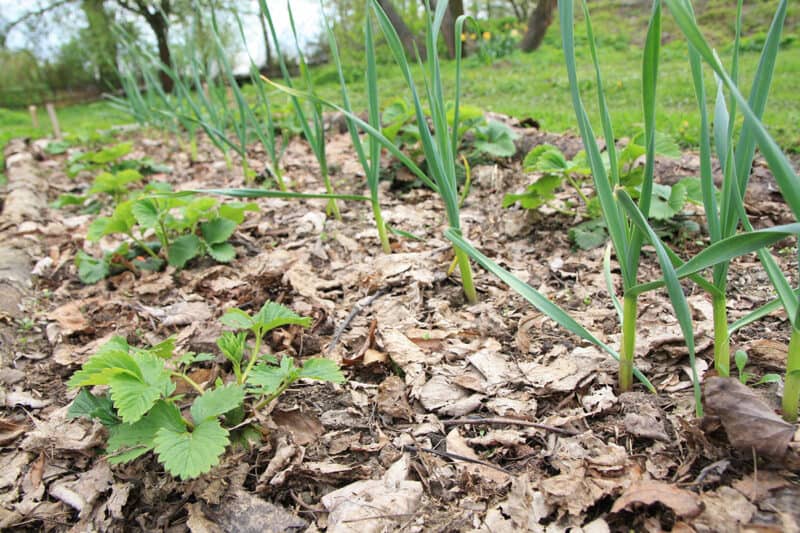
Keeping parts of your garden messy is another great way to attract pollinators. It may be a little more difficult if you are a gardener who likes to keep the outdoor space neat and tidy.
But, if you’re willing to put up with some mess to boost pollination, then mess is your new best friend.
The next time you see a clump of weeds, twigs, and other debris, think twice before throwing it all away. Instead, you can try leaving them as a bee or butterfly shelter. If the space is natural and wild, it will seem welcoming to them.
Leaving grass tall and long is also beneficial, providing an ideal space to hide and shelter from the elements.
6. Leave some soil exposed

Solitary bees like to nest in the ground, so if you don’t give them enough space, they won’t be able to settle in your garden. Exposed ground signals a new nesting spot for them, so it’s essential to leave some open spaces.
This means that when you add mulch to the soil, you can leave a little clear space and wait for the bees to visit.
This method is simple so you can get started right away!
Pollinator gardens are the future
As the world experiences more and more problems with climate change and pollinators come under increasing threat, we must do our best to create safe environments for them. They are part of the rich biodiversity of nature and are necessary for our food crops.
Green spaces are disappearing more and more every day, so carving out some space and planting the right species for pollinators is a great way to improve your harvest and have a more exciting property.
It takes a bit of research to learn more about your local native plants and start incorporating them into your garden. The wildlife will love it and it gives you the opportunity to discover exciting new varieties of plants!
Attracting pollinators is easy when you know what to do. So choose your flowers and create places for pollinators. With a small or large plot, you can start bringing more wildlife to plants using these tips and tricks.
Try it and see what happens!
Was this article helpful?
Yes No ×
We appreciate your helpful feedback!
Your response will be used to improve our content. The more feedback you give us, the better our pages will be.
Facebook pinterest