If you like to have a garden free of pesky insects, these insecticidal garden soap recipes are a perfect way to protect your plants. These non-toxic solutions can end the plant pest problem without causing much damage to the rest of the garden. Learn how to make insecticidal soaps to control plant pests that are really effective and very easy to make.

How does insecticidal soap work against parasites?
Insecticidal soaps contain fatty acids as an active ingredient, also called soap salts. They form when fatty parts combine to form a strong alkaline compound.
Insecticidal soap is very powerful in killing soft-bodied insects such as spider mites, scale insects and aphids on contact, and is most effective when applied to well-hydrated plants.
Recipes of insecticidal soaps to fight against pests
To note: To make these simple recipes, you can use any mild liquid soap, such as dishwasher soap, kitchen detergent, laundry detergent, or Castile soap. Make sure the soap doesn’t contain bleach or anything similar that could harm your plants.
These homemade insecticides should be applied in the evening or very early in the morning, when the sun is not too strong, and remember to apply it daily until the pests are gone, usually 2 to 4 times.
1. Simple Insecticidal Soap Solution
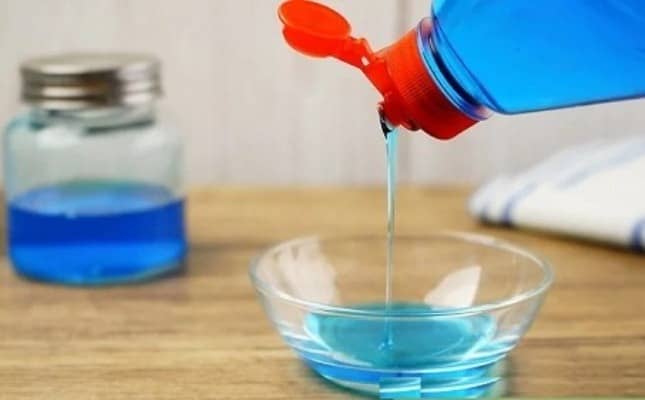
Mix 1 or 2 teaspoons of liquid soap in a liter of water. Shake well before use and spray directly where you see pests.
This solution works best on soft-bodied pests and can be helpful in repelling larger creatures like worms, slugs, and snails to a great extent.
2. Red pepper and soapy solution

Studies demonstrate the effectiveness of hot pepper extracts against soft-bodied pests such as aphids on horticultural plants.
Mix 2 teaspoons of liquid soap in 1 liter of water at room temperature. Add a teaspoon of red chili powder and shake well.
Spray the solution where you spot the pests to drive them away instantly.
3. Vinegar, garlic powder and soap
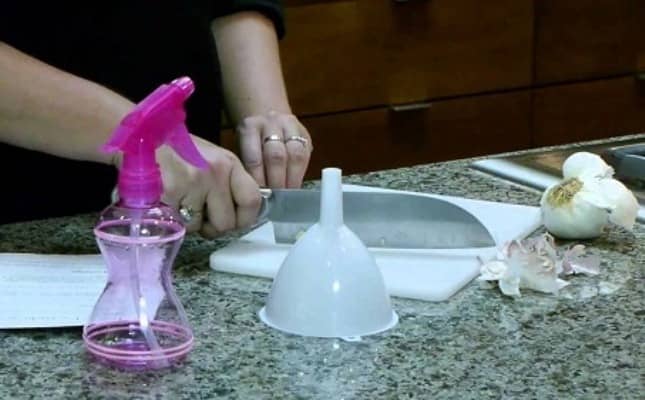
Mix 1 teaspoon of vinegar, 2 teaspoons of garlic powder and 2 teaspoons of soap in 1 liter of water. Be sure to shake it well before spraying it on your plants.
For best results, use apple cider vinegar, it is very effective against whiteflies.
In addition, garlic extract is scientifically proven as a biopesticide against aphids and mealybugs.
4. Isopropyl alcohol and soap
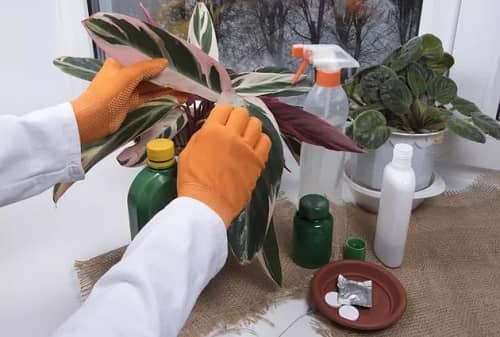
Isopropyl alcohol is a non-toxic and powerful option for repelling garden pests. Remember that it is more effective in controlling insect larvae and is best used as a repellent and preventive against pests.
Add 1 teaspoon of generic isopropyl alcohol and another of liquid soap in 500 ml of water. Shake it well and use it to get rid of scale in the garden.
5. Neem oil, aloe gel and soap
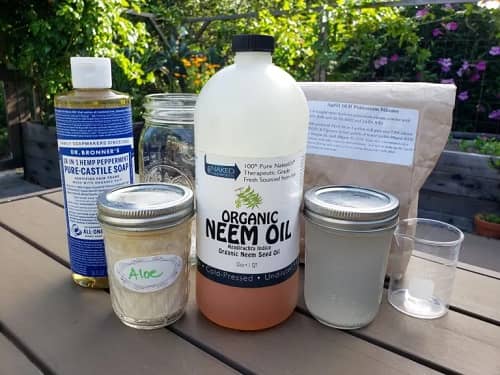
The limonoid composition of neem oil is highly effective against 90% of pests and is the best alternative to chemical pesticides due to its antifungal properties.
Add 10 to 12 drops of neem oil and a teaspoon of soap to a liter of water, along with a full tablespoon of aloe gel.
Shake it well and use it to get rid of most garden pests.
6. Milk and soap
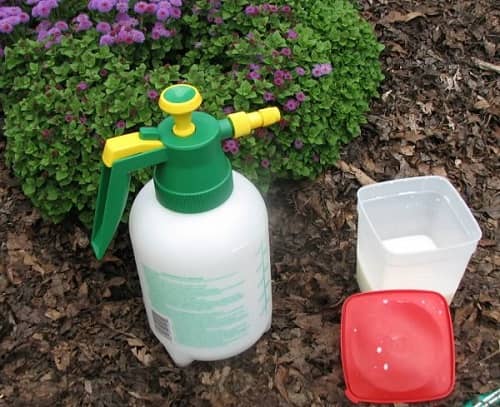
Cow’s milk is scientifically proven against aphids, thrips, spider mites and cottony mealybugs. In addition, it is powerful in the fight against powdery mildew (fungus) and leaf mosaic virus.
Mix 3 to 5 tablespoons of milk with 2 teaspoons of soap in 1 liter of water. Shake well and apply this solution directly to the plants.
7. Liquid soap + oil
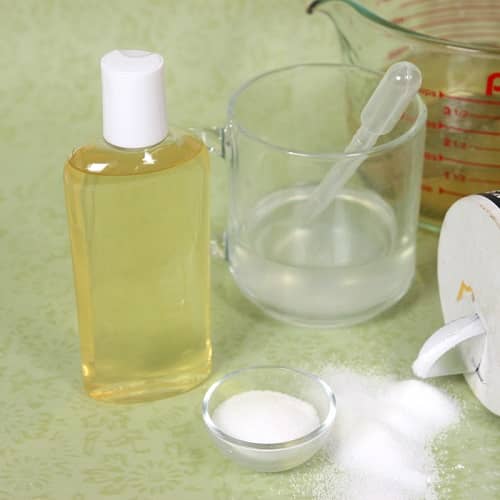
Add 10 ml of cooking oil, such as vegetable, corn, soy, sunflower or peanut oil, and 1 teaspoon of liquid soap to a liter of water.
Mix well and spray where you detect a pest infestation. Repeat it every day until you completely get rid of the problem.
latest tips
Avoid using tap water, as this can also reduce the effectiveness of the insecticidal soap and can cause deposits on the leaves. Use rainwater or bottled water instead.
Before using these insecticidal soaps for pest control, always consider testing the solution on a small area.
If you see any signs of damage, such as wilting, browning, etc., stop using it, but this is very rare with the recipes we’ve featured in this article.
Share it on the networks: