
If you purchase an item through links on this page, we may earn a commission. Our editorial content is not influenced by commissions. Read full disclosure.
Did you know that a study found that a farmer’s risk of loss of stability leading to dangerous falls is 7.4 times higher when they don’t get enough sleep? Sleep is crucial for your mental and physical health. But getting enough quality sleep is easier said than done.
Some people struggle to get those precious hours of rest, which makes gardening and farming chores even more difficult.
If this sounds like you, you’re not alone. Studies show that 10-30% of people suffer from insomnia from time to time.
Here are some tips to help you get the rest you need.
1. Start with the basics

Quality sleep starts with a healthy lifestyle.
To establish a healthy lifestyle, you must prioritize a balanced diet and exercise. Many people overlook their daily habits when thinking about what it takes to fall asleep peacefully at night.
It’s not just the hours before bedtime that matter for improving the quality of your sleep. It starts early in the morning and lasts all day.
I know, living on a farm sometimes feels like exercising all day, but make sure you do some cardio and stretching, in addition to whatever lifting and digging you’re probably doing.
Bonus points if you can exercise with a friend. Socializing regularly is another part of establishing a healthy routine. Don’t let yourself be isolated too much.
Try to establish healthy habits in all parts of your life and you’ll see it carry over into your sleep.
2. Get light exposure during the day

Depending on where you live, you can have bright sunshine all year round or the days can be very dark in the winter. Either way, it’s essential that you try to capture a good amount of sunlight each day.
Having a healthy dose of natural light can help balance your hormones and your circadian rhythm, which tells you when it’s time to go to bed or be active.
You can go out for a walk or hike when the sun is out or even just put on your shoes and stay outside for a few minutes when you notice the sun appearing in the clouds.
For homesteaders, you could just go out during those early morning hours for some gardening, animal care, or yard maintenance.
If you don’t have time because of work, you can use a light specially designed to mimic daylight, like this Carex Daylight Therapy Lamp. Sit in front for 30 minutes in the morning.
Speaking of which, 30 minutes is the time scientists believe is the minimum time for you to feel good.
3. Minimize blue light in the evening

Blue light is one of the reasons you might have trouble switching off after a long day. Some people stay on their phone or watch TV at night. The light from these devices tricks your brain into thinking it’s still daylight, which makes you feel more awake than you should.
Blue light can negatively influence melatonin production, preventing you from getting enough sleep.
You can limit your exposure to blue light in the evening in several ways.
One method is to download an app for your desktop and mobile phone that blocks harsh blue light after a specific time. You can try the f.lux app, which is software that changes your screen brightness and lets you set relaxing hours.
If you have an iPhone, this feature is built-in. Just turn on Night Shift and your phone will have a warmer hue for the duration you set.
You can also lock your phone in a safe or have someone hold it for you. That way, you won’t be tempted to stay up late and binge on TV shows or stay on your phone checking social media.
These tools can make it easier for you to follow a sleep routine and give your brain a break from the blue light.
4. Watch your coffee intake

It is undeniable that coffee is the magic trick to wake up and alert our brain in the morning. But too much caffeine can cause sleep problems and make it hard to feel energized the next day.
Many homesteaders like to brew a cup of coffee between chores, but you should stop drinking caffeine in the late afternoon. This will allow you to relax naturally and the caffeine will leave your system before you go to bed.
If you fancy a cup of caffeine in the evening, you can always make a decaffeinated drink and enjoy sipping it by the fire with your favorite book. Alternatively, you can make an herbal tea like chamomile or mint to help you relax and fall asleep.
5. Create a consistent routine
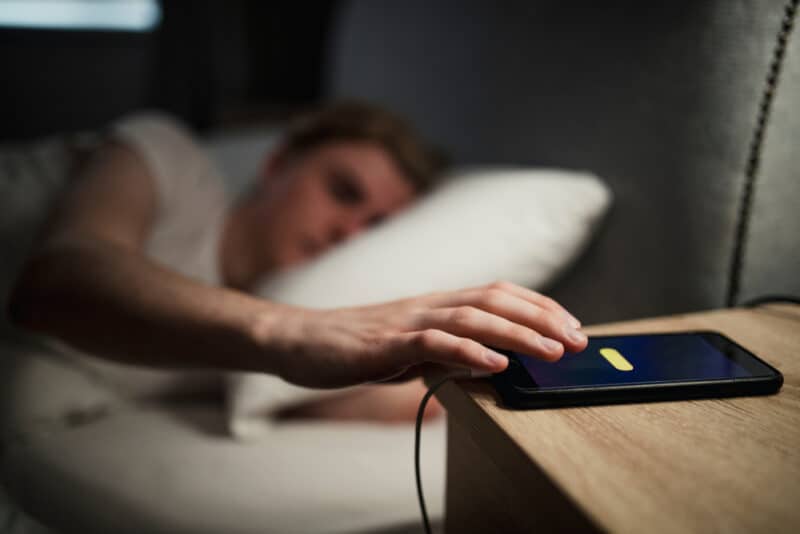
In an ideal world, getting up early and going to bed before midnight would be the dream scenario. But we all know that life can get in the way and that things happen that throw us off schedule. But a good sleep routine is about being disciplined with your time.
If you need to set an alarm on your phone or write yourself notes to get to bed on time, then do it!
The most important thing is that you find a routine that works for you. For example, if you have to get up to feed animals or take care of children, you should plan ahead the night before so that you have enough time in the morning.
Likewise, you need to take into account your daily tasks so that you can allow yourself enough time to relax in the evening.
Without a sleep routine, you might end up staying up too late and having trouble sleeping when you go to bed. You can try allocating time to reading a book or writing in a journal. This way you can process the day and spend some time offline.
If you don’t know what to do in the evening, there are a few things you can try until you find the right evening routine. It’s about being disciplined and turning off your favorite show when the alarm goes off. Then read a book, do a puzzle, or write in a journal.
6. Herbal Supplements

Nature can be a place of healing and growth, and it can certainly help with sleep issues. Herbal supplements like valerian (Valerian officinalis) can help you fall asleep.
This herbal supplement has been researched and found to have powerful effects on patients with insomnia and sleep disorders. It may also be helpful for people with other mental health issues like anxiety and depression.
Here are some other herbal supplements that can be used instead of pharmaceuticals and help you achieve a peaceful dream state:
Of course, you should tell your doctor if you are taking any prescription medications or considering adding an herbal supplement to your diet. Although it takes some time to find the right supplement, there are plenty of options for natural sleep aids.
7. Use your bedroom space for sleeping
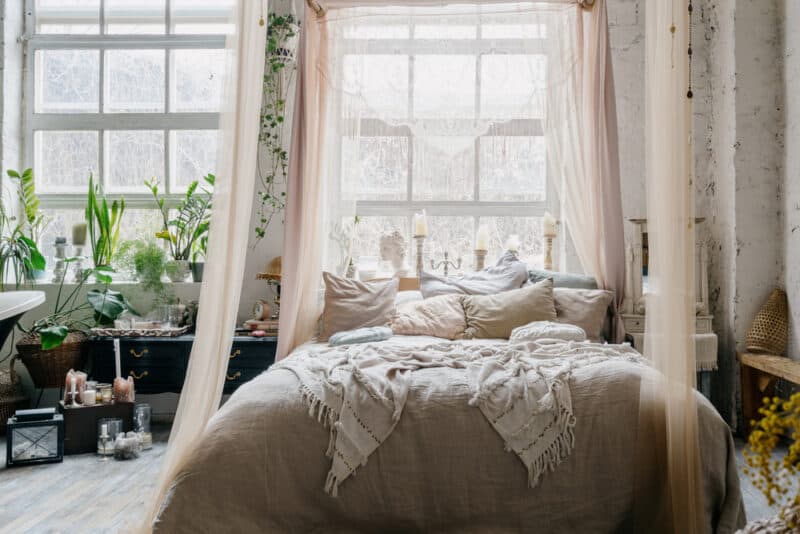
Your bedroom should be a place of peace and quiet if you want to get a good night’s sleep. Still, it’s common for people to leave their beds unmade, their clothes on the floor, and piles of laundry in the space when life gets busy.
That TV on your bedroom dresser? It does your sleep a disservice.
We have busy lives and most of us don’t have endless space, so it’s no surprise that our bedrooms are becoming more functional than relaxing. But if you have the space, your bedroom should feel like a sleep sanctuary.
That’s why you should avoid working on your computer in bed or cluttering the space with clothes. Instead, you should focus on minimizing distractions so the room is free of stress, work, and chaos.
You’ve probably heard the idea that your bedroom should only be reserved for sleep and intimate activities. That’s good advice. You need to train your brain so that when you’re in the bedroom, it’s time to relax.
You can create a soothing bedroom by using relaxing colors like green, cream, gray and blue. If you want to take it to the next level, you can add a lavender essential oil diffuser and mood lighting to make you feel relaxed when you walk through the door.
Remember, it’s a good idea to keep technology away from the bedroom if possible. The best way to get a good night’s sleep is to allow yourself to disconnect from the modern world and turn down the volume of background noise in the evening.
Plus, there’s this whole blue light thing we talked about.
For inspiration, watch home improvement documentaries or spend time redecorating the space to make it more soothing.
8. Take a relaxing bath or shower at night
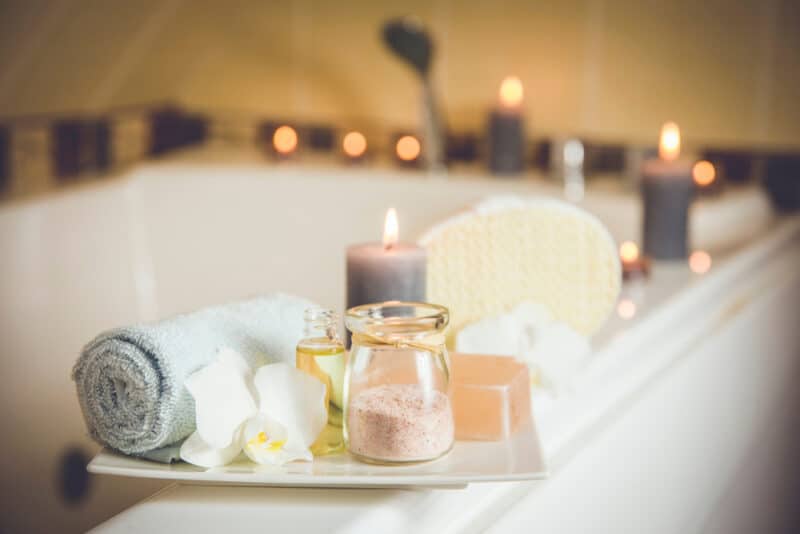
It is essential that you get yourself in the right frame of mind before sleeping, otherwise your mind will be racing with thoughts until the wee hours of the morning. Studies show that if you can treat yourself to a warm shower or bath before bed, you’ll sleep better.
Try lighting candles and running a bubble bath. You can also play soothing background music and light incense to enhance the bathing experience.
Alternatively, you can roll out a yoga mat and do a short meditation or yoga to help release tension from your body. This is especially important if you’ve spent the day bending down to plant vegetables or pick up debris around your property.
Sometimes a few minutes of stretching can make all the difference to your mind and body when you sleep. And you’ll feel amazing the next day when you’ve managed to get at least 8 hours of sleep.
9. Keep your bedroom dark

All of these gadgets that we use come with chargers and these chargers usually have indicator lights to let you know when they are charging. TVs and streaming devices have lights, as do digital clocks.
Add to that lights outside your home that come through the window, and your room can feel like daytime even in the middle of the night.
Do your best to make your room as dark as possible. Move the charging equipment to another room and put electrical tape over the indicator lights on the TV or electronic device. Better yet, move them to another room as well.
Get good curtains that block out all outside light. You will be amazed at how much of a difference it makes.
Getting a better sleep range involves engaging in physical activity like yoga or other forms of exercise and adjusting your sleep space to maximize rest. Find the right balance between your external environment and your mental health. Then better sleep will follow.
Was this article helpful?
Yes No ×
We appreciate your helpful feedback!
Your response will be used to improve our content. The more feedback you give us, the better our pages will be.
Facebook pinterest