

Image – Flickr/chausinho
Human skin is very, very fragile, so when we go to the countryside or enter a plot (or garden) full of wild herbs, we usually have our hands well protected in our pockets. And that’s it, yes, there are many plants that cause rashesboth children and adults.
This does not mean that all those I am going to name cause the same reaction in all humans, no, since it will depend on how our body reacts. But yes, I advise you not to handle them without gloves.
Oleander

The oleander, whose scientific name is oleander nerium, It is an evergreen shrub that can reach a height of about 2 meters., but normally it is much smaller, 1 meter or even less. It produces flowers in spring and summer, and if the temperatures are mild (i.e. if they stay between 18 and 25 ºC), it can also do so in early autumn.
Its easy culture and its beauty make it a very interesting plant to have in a garden, but you have to think that its sap can cause rashes if it comes into contact with the skin.
milkweed

Image – Wikimedia/JMK
The genus Asclepias is composed of evergreen herbs or shrubs that produce numerous flowers grouped in brightly colored inflorescences. Also, you should know they are the main food of monarch butterflies, beetles and other insects, so it’s no surprise that they protect themselves as best they can. And how does he do it? Produce toxic latex.
This latex is the same that, if we are unlucky enough to touch it with our bare hands, we could get a painful rash.
Dipladenia
The dipladenia, or mandevilla, It is a vine of tropical and evergreen origin that is widely used to decorate gardens and the interior of houses.. It produces bell-shaped white, yellow, pink or red flowers in spring and especially in summer. But did you know that its sap is a latex that can irritate the skin?
And clear, if it comes into contact with a wound, even a barely visible micro-cut, you may feel a lot of discomfort. Therefore, it is important that you be careful when pruning it.
Duvalia

Image – Flickr/Maja Dumat
The genus Duvalia is made up of small succulents, so it is a bit difficult for us to come into contact with their latex. But still and all, It is important that we know that it is colorless and it can cause us rashesespecially if we have very sensitive skin.
Likewise, you should know that its stems are succulent, elongated, and measure about 4 centimeters long at most. The flowers are also small, measuring about one centimeter, and give off an unpleasant aroma.
Euphorbia

All plants of the genus Euphorbia, which are numerous – there are some 2000 described species, including herbs, shrubs and trees -, They have a latex inside their stems which, on contact with the skin, causes irritation and rashes.. For this reason, we must be careful if we cultivate one and we must prune it, for example, or change its pot.
So if we get a Euphorbia pulcherrima (poinsettia), a obese spurgeor another of its kind, we must know that if we are going to handle it, we will have to protect our hands.
ficus

All Ficus are characterized by being trees, shrubs and/or climbing plants which, inside their stems and/or branches they have latex. For this reason, they are plants that can cause rashes if we are not careful. For this reason, although they are undoubtedly very beautiful and relatively easy to maintain, it is always important to bear in mind that when handling them, our hands must be protected.
And it’s that if they weren’t, we could have a bad time. For him Do not hesitate to take preventive measures to avoid having your hands full of small painful blisters.
poison ivy
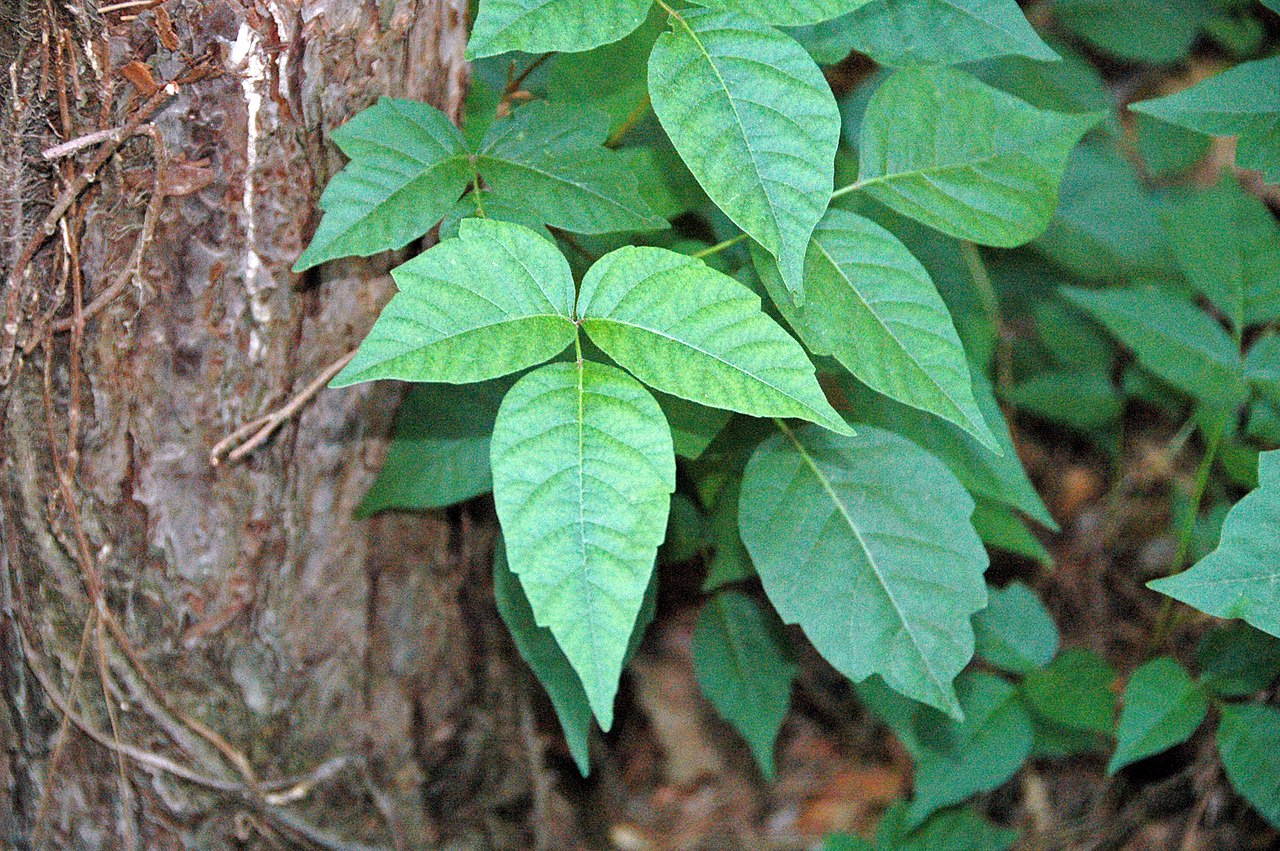
Image – Wikimedia/James St. John
In order not to be confused, it is important to clarify that the species is known by this name. Toxicodendron Radicansno common ivy (Hedera). It is a climbing plant that reaches 1 to 2 meters in height and develops green leaves..
It is one of the most dangerous species for humans, because it a simple touch is enough for us to have rashes. It should also not be consumed, as in extreme cases it could be fatal.
Nettle
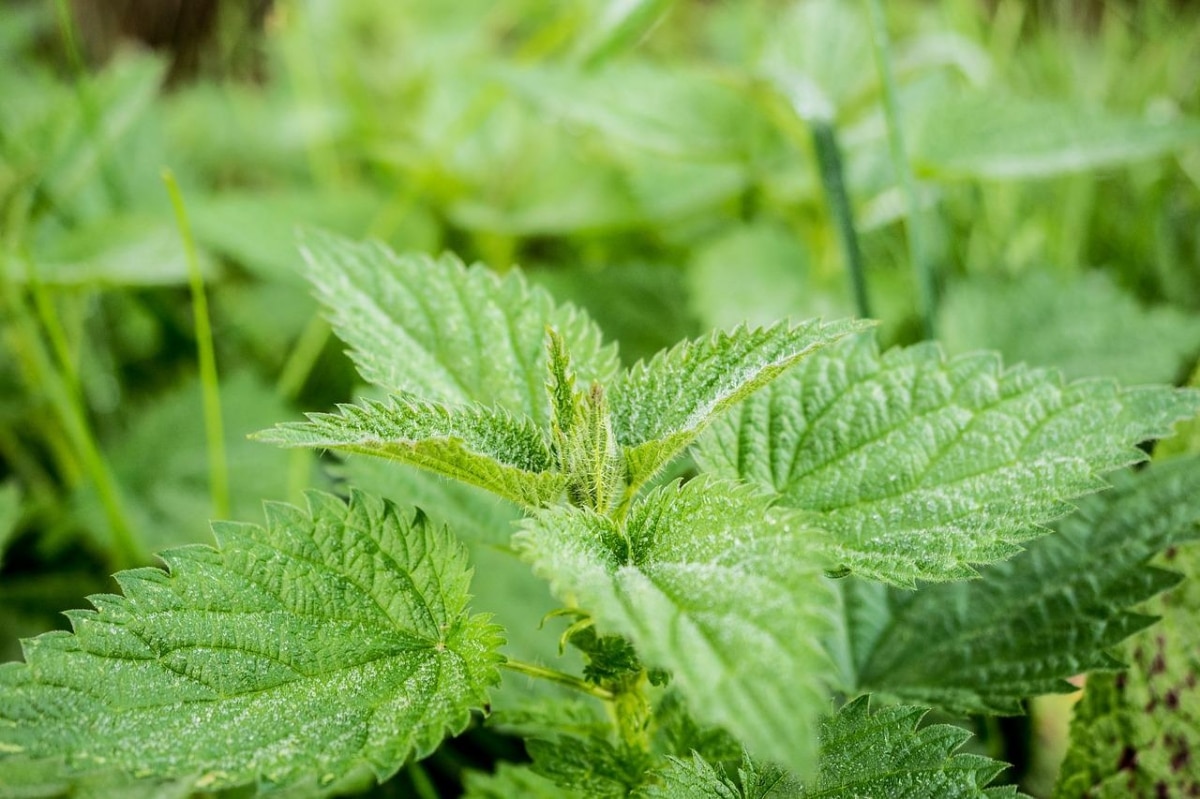
Nettle is the grass that -almost- nobody wants to have in their garden. I say “almost” because it has many uses, as we explain in this article. But a simple touch is enough to end up with reddened skin. And if, in addition, we pick it up or touch it inadvertently for a little while, we will get rashes that can be quite painful.
Because? Because on the underside of their leaves and on the stems they have thorns filled with pungent liquid. This liquid is the one that penetrates the wound that the thorn makes with friction. In general, a temporary discomfort will be felt.
plumeria

Plumeria is a genus of trees and shrubs, usually evergreen although they can be deciduous, of tropical origin. They are characterized by large and elongated leaves, green in color, and by the production of flowers which, in addition to being very pretty, brightly colored, give off a pleasant aroma.
However, her latex is irritating. It is a white, milky substance, which can cause occasional rashes. Therefore, we must wear gloves if we are going to transplant or prune it.
desert rose
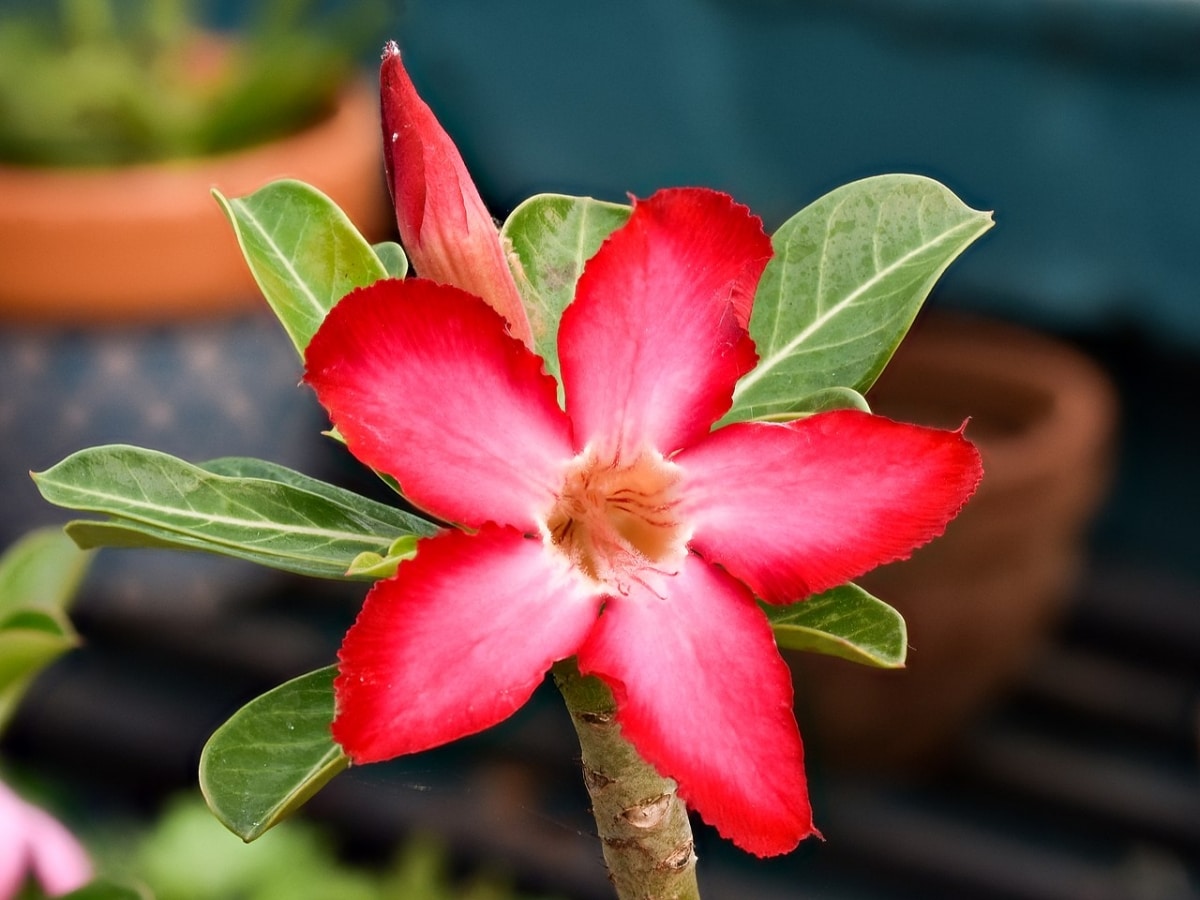
Image – Wikimedia/Timothy A. Gonsalves
The desert rose is an evergreen tropical shrub which, in its natural habitat, It can measure up to 3 meters high; however, in cultivation it is very rare for it to exceed one meter. It has somewhat leathery leaves, which are glossy dark green in color, and they grow in a spiral. Although they are pretty, what strikes the most are their flowers that appear in spring-summer. These are bell-shaped, single or double (i.e. with one or two crowns of petals), and can be white, red or pink.
Why is he on this list? Because it is also a plant that causes rashes. It is so because its sap is a latex which, like oleander or dipladenia, can at least irritate the skin.
Do you know of any herbs other than those that cause rashes?