
If you purchase an item through links on this page, we may earn a commission. Our editorial content is not influenced by commissions. Read full disclosure.
Gardeners love growing gladioli because of their majestic and beautiful blooms that come in a whole range of colors. There are pink, purple, yellow, white and many other gladiolus colors on the market, so you don’t have to settle for just one color.
If you want to sprinkle bright colors in your garden, choose gladioli. Why not create a rainbow effect with several of them?

Gladiolus Fun Facts
Gladioli are native to Africa, Europe and the Mediterranean. They are perennial plants that grow from bulbs. The bulbs have a papery texture on the outside that protects them, much like garlic or onions.
You can find over 300 different species of this flowering plant worldwide, but you will only find a few particularly easy-going and colorful species in home gardens. Most gladioli you find in home gardens are hybrids of several species.
Common species include common cornflag (Gladiolus communis), Italian (G. italicus), and always in bloom (G.tristis).

The flowers bloom from late spring or early summer until frost.
Most can be grown in USDA plant hardiness zones 7 through 10, but some can grow outside of this range. In other areas, you can grow them as annuals or dig up and store the bulbs in a warm place.
Best Hybrids and Species to Consider

As mentioned, there are many options for growing gladioli plants. Here is a list of some fabulous options:
- Yellowstone (Gladiolus x hortulanus): Sun-yellow flowers on five-foot stems.
- Abyssinian (G.murielae): Small, fragrant white flowers and three-foot stems.
- Alaska (G. x hortulanus): Large ruffled white flowers. The plant grows up to four feet tall.
- ‘purple flora’: Five foot tall stems covered with dark purple flowers.
- ‘Green Star’: Bright lime green flowers on five foot stems.
- ‘Black Star’: Five foot tall stems with almost black and dark burgundy flowers.
- ‘Espresso‘: Bold dark red flowers emerging from five-foot-tall stems.
- Peacock Orchid (G.acidanthera): White flowers with a garnet heart, very fragrant. The plant grows up to three feet tall.
Plant bulbs

When buying, assess the size of the bulbs. Ideally, you want them to be big, plump and firm. Think of it this way, the bigger the bulb, the more chance you have of spectacular blooms!
Aim for a bulb about five inches in diameter.
Now is the time to plant. First of all, you need to choose the right time for planting. The best time to start gladioli is spring, but you can start them indoors earlier.
Normally it takes 60 to 90 days from planting to see the flowers start to bloom after planting the bulb.
Plant in the spring as soon as the ground can be worked and the last expected frost date has passed. If you live in zone 7 or higher, you can also plant them in the fall.
Where to plant gladioli
Gladiolus bulbs need full sun exposure and average soil moisture to reach their full potential. Even though these plants can adapt to different soil conditions, their preferred climate is well-drained soil with neutral pH levels.
Although most people like to plant these flowers in the ground, it is also possible to grow them in containers if you have the right equipment. If this is a growing method you like, use a large pot filled with a standard potting mix. A 10 gallon pot is perfect.
Alternatively, you can grow them outdoors as border flowers and in raised beds.
The planting process
The planting process starts with digging the right size hole for your bulbs. Try to create a hole at least three times wider and deeper than the bulb. Then amend the removed soil with well-rotted compost. Place the bulbs about five inches deep with the tip up and fill the hole with the amended soil.
Generally, five or six inches of space between your bulbs is the sweet spot to get a full display of flowers without leaving one isolated from the rest. For stunning visual impact, a cluster of seven bulbs will give you a pleasing aesthetic.
For pots, plant two or three with different colors to catch the eye with lots of color, or use one color to create a more contemporary and simple effect.
Care tips for gladiolus
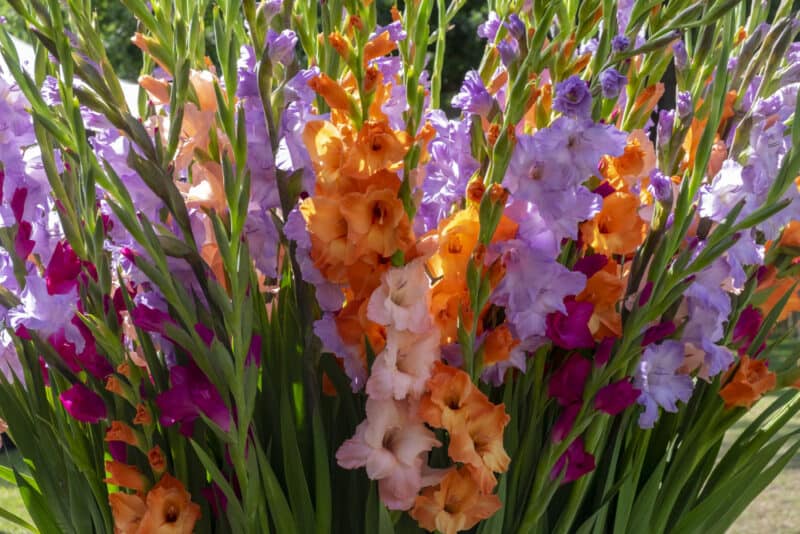
As soon as you notice leaves growing on your gladioli plants, you should consider giving them a little extra support to maintain their structure. The easiest way to support gladioli is to use bamboo canes and twine.
You can find these materials easily online or at your local garden center.
Bulbs need frequent watering as they grow. This is especially important during warmer seasons when most plants need more humidity.
Container plants need even more watering as they tend to dry out faster. Test soil moisture levels every day or so to see if plants need watering.
As for fertilizer, provide your gladiolus plants with a balanced liquid fertilizer when the flowers are just beginning to form. This will give the flowers nutrients to help them form beautiful blooms.
Mulch your gladioli to provide extra nutrients, prevent the soil from drying out, and suppress weeds.
Pests and diseases of common gladioli
Although they are generally quite hardy and gladioli are easy to grow, there are pests and diseases to watch out for. Here are the most common:
pests
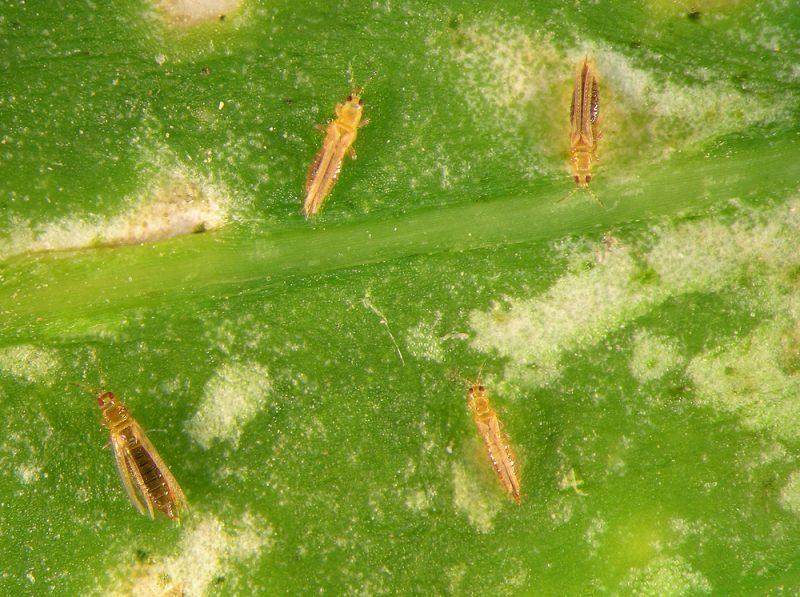
Thrips are a frustrating but common pest that attacks gladioli. Although not easy to spot, they leave distinctive pale spots on plants that look silvery in the light.
When infested, buds may drop or flowers may turn brown. To find out how to eliminate them, go to our guide.
aphids are another common pest. These little sap-sucking insects spread disease and cause stippling and stunting. As with thrips, we have a guide to help you identify and get rid of an infestation.
Ladder, although not as common as aphids, have also been known to feed on gladioli. To learn all about this annoying pest, see our article.
Diseases
Botrytis blightcaused by fungus Botrytis gladiolus, causes red-edged brown spots, stem rot and black lesions on underground bulbs. Buy only certified disease-free bulbs, and if you notice any symptoms, treat your plant with a copper fungicide.
Fusarium yellows starts underground. It’s caused by the fungus Fusarium oxysporum F.sp. gladioli, and when this fungus is present, it causes bulb rot. Above ground, the flowers may not develop normally and the stem will be bent.
Leaf spots (Stemphylium botryosum and Curvularia trifolli f. sp. gladioli) thrives when the weather is warm and humid. It causes yellow spots with brown centers and these spots can spread and kill the leaves. Liquid copper can help you get rid of it.
Harvesting gladiolus flowers
Harvesting cut flowers from your gladioli plants is part of the fun of growing them. You can start picking the flowers when the first florets start to open. Cutting them in the morning will give you a fresh harvest and better quality flowers.
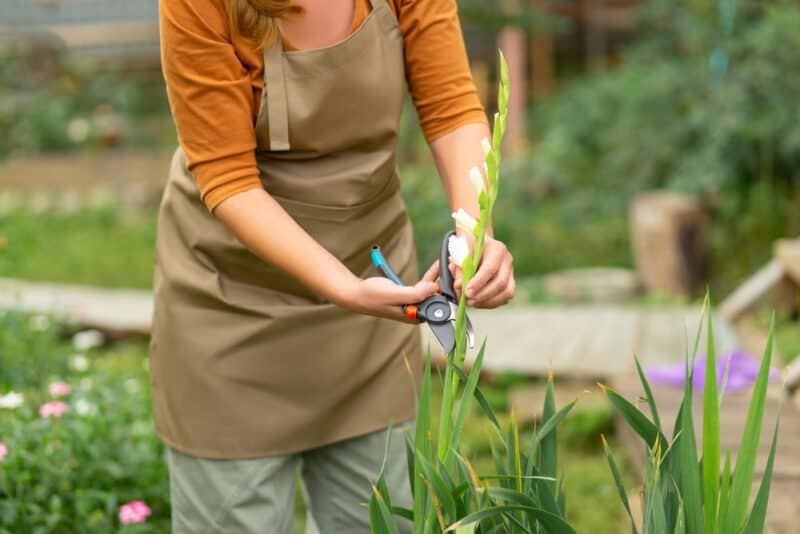
Leave at least four leaves to ensure the continuity of bulb development.
Place the flowers in lukewarm water to prevent them from withering. Move them to a cool, dark place for a few hours before arranging a bouquet. This will also allow them to toughen up before being exposed.
Then you can either keep them at home in a vase or give them to a loved one as a surprise!
These magical flowers will brighten anyone’s day, and all the effort to grow them will be worth it when you have a fresh bouquet on your dining table. All you have to do is follow this guide to have your own collection of gladiolus flowers!
Was this article helpful?
Yes No ×
We appreciate your helpful feedback!
Your response will be used to improve our content. The more feedback you give us, the better our pages will be.
Facebook pinterest