The corn bug or horn bug is a scourge frequently observed at the time of plant corn and in soybeans, vegetables, alfalfa, fruits and forest crops in South America. Here are some photos for identification and ecological methods to combat it.
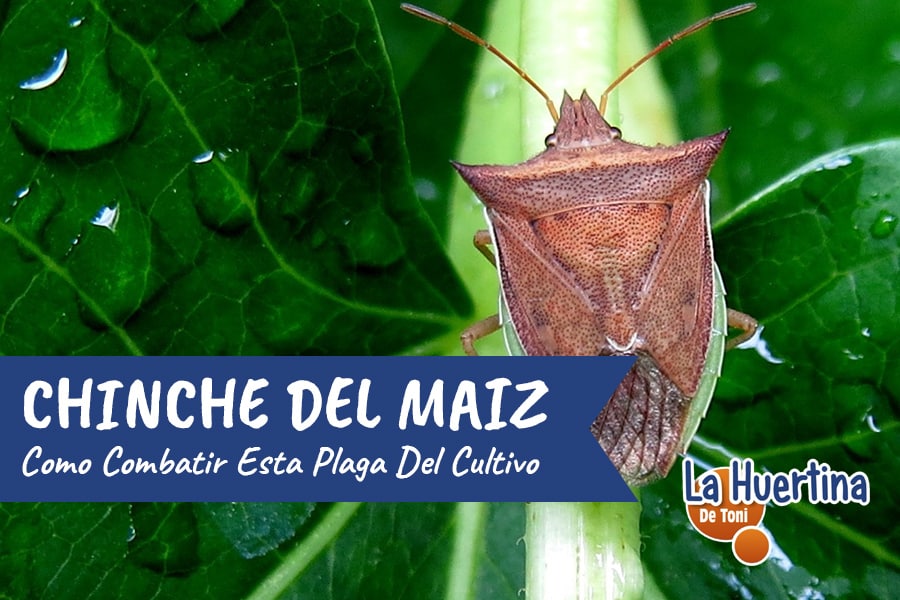

The scientific name for the horn bug is Dichelops furcatus, and feeds on the sap of the plants described above by introducing its mouthpiece called the stylet. The “scars” they leave on the plants are due to the fact that they introduce an enzyme which dilutes them and later sucks them up.
Detecting the horn bug in our crops
Some of the symptoms that we can observe are that in small plants they begin to have deformations, elongated yellow holes in the leaves, ears or fruits, in general they take a long time to mature and will have little production. Moreover, these fruits will be ugly on the outside, affecting their appearance in the market, in case that is the goal.

It is also necessary to recognize the nymphs of this bug because they are the same but without wings. And their eggs are barrel-shaped. Normally identify setting insect eggs like this in our plants can often tell us what pest we may have.

Fighting Dichelops furcatus or the corn bug
A natural way to combat them is the presence of various parasitoid predators (predatory flies), predators parasites (killer insects) and pathogens.
It is quite difficult to fight ecologically and even with insecticides because they have become immune. First of all, we must apply cultural methods such as remove weeds to prevent them from living there.

bioalt Moisturizing Olio di neem 250 ml Organic insecticide…
- 🏕️ Neem oil is a powerful natural pesticide, developed to protect and not pollute the environment. is an all natural repellent against tropical mosquitoes and various insects.
- 🦟 mosquito problem: bioalt neem oil is the ideal solution, simple, effective and odorless. The product should be applied for 2 consecutive days and the treatment repeated after 3-4 days,…
- 🌿 farewell to parasites: neem oil has more than one effect, it is an insecticide, but also a repellent (repels insects), biostimolamnte phago-deterrent prevents insects from eating the leaves of…
- 🥦 It can be used in pots, gardens, hedges, horticultural, ornamental plants, fruit trees, it is an Italian product and for lovers and respectful of the environment.
- 📑 If prevention or maintenance is done, simply: Dilute 4 ml of neem in 1 liter of water and spray every 7 days. If the plants are attacked by pests, insects or if you have problems with…
We can also apply neem oil (purity 3 or 4%) by irrigation at 3 or 4 ml per liter, in the same way as to fight against green thumbtack.
We can do it by hand, if we have few plants. You have to look well between the folds of the leaves, because that’s where they usually hide, especially when the plants are young.
host plants
nettle, mallow, shepherd’s purse, commelina, thistle, bowlesia and ocucha are host plants that we must not only uproot but also completely eliminate from the garden if we find that there is this refugee pest.
What do you think? Did the article help you? Leave me your opinion in the comments and if it works for you you can always support the channel with a donation or help me spread it by sharing it on social media. If you want to follow me, here are some of the social networks I use Facebook , instagram , pinterest either subscribe to my youtube channel
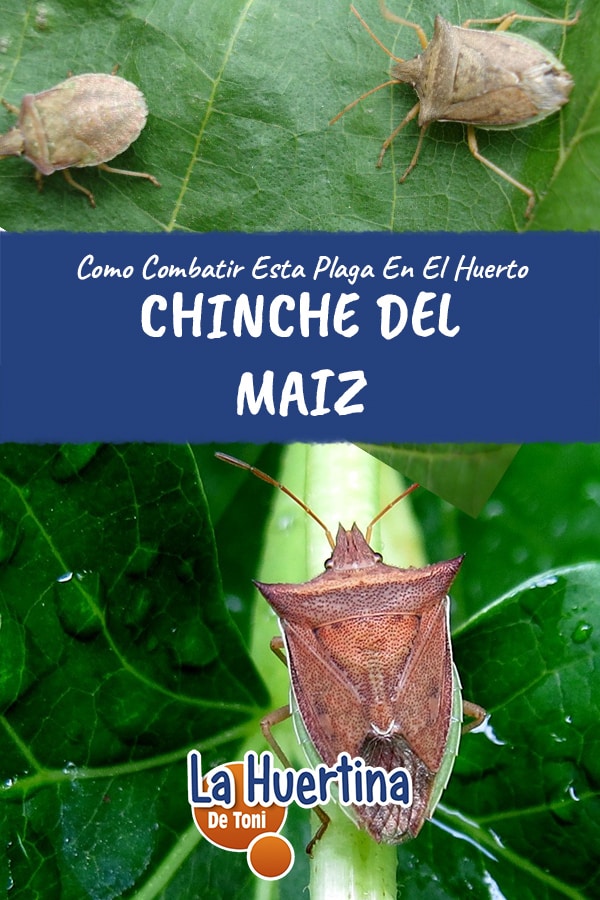
HERE I LEAVE YOU A POSTER IN CASE YOU WANT TO SAVE IT ON PINTEREST
FREQUENTLY ASKED QUESTIONS
- doubts? Here we will answer the most frequently asked questions.