Jasmine (Jasminum) is a sweetly scented flower that refreshes the atmosphere in your home. These flowers can be used perfume tea. Jasmine is a climbing plant and usually grows outdoors, but it is also possible to grow it indoors. Let’s see how to grow jasmine indoors and its care.

Pot for growing jasmine
The minimum pot size for growing jasmine indoors is around 15cm in diameter and depth, which should be large enough to support the amount of soil needed.
However, the ideal size to avoid having to transplant every year should be at least 30 cm in diameter and depth.
Remember that the chosen container or pot should have drainage holes in the bottom which help to avoid over watering the plant.
Soil type for jasmine

For your indoor jasmine plant to thrive, it needs porous, well-drained soil. Materials like coconut shell, bark and other organic materials make the soil airy and light.
The other best option is store-bought potting soil. It works very well because it has the right ratio of vermiculite, perlite and peat.
This potting soil helps absorb moisture and resist compaction. A sturdy potting soil is an ideal choice for growing delicate and beautiful jasmine.
Irrigation
Jasmine is a low maintenance plant. It needs little water in early spring and early winter.
Overwatering will make the soil soggy, so water them when the soil seems dry. You can do this with the help of your fingers.
Water once or twice a week, but do it deeply so that the roots receive moisture easily.
It is not necessary to water daily, but each time you do, the deep water will reach the roots and keep your plant perfectly hydrated.
In summer and during the flowering season, your plants need more water, at this time always try to keep the soil moist but not waterlogged. Remember they need less water in the fall.
For indoor plants, in winter, due to the heat production of wood-burning stoves, a dry environment will be created. Watch the soil so it doesn’t dry out.
You can also place a humidifier near your jasmine plant. Jasmine plants need at least 50% humidity. If the humidity is lower, its roots cannot withstand water loss due to drought.
light and sun

Light is an important factor when growing jasmine indoors. The place where you place your pot should be well lit.
Make sure your plants get at least 4 hours of direct sunlight. If they get too much light, close the blinds. You can also change the location of the plants as needed.
A south-facing window if you live in the northern hemisphere, or a north-facing window if you live in the southern hemisphere is the best place for the jasmine plant to grow, as it receives regular sunlight.
If your plants get too much sun, the leaves will start to fall off. This is a clear sign that they are getting too much sun. The solution to this problem is to move the plants as soon as possible to other locations.
When plants are grown indoors, dust accumulates on plant leaves every few months. Clean the leaves so they can absorb sunlight to thrive.
Pass

You can use several ways to fertilize your jasmine plants. Diluted houseplant food is a good option to use throughout the growing season, the other option is a high phosphorus fertilizer.
Compost is a great option because it contains all the basic plant nutrients that are essential. Avoid using strong fertilizer as it can be harmful to jasmine plants.
During growing seasons, such as spring and early fall, jasmine plants should be fed every 2 to 4 weeks. Remember that you shouldn’t fertilize your jasmine plant in late fall and winter.
Make sure the fertilizer you use for your jasmine plant is designed for houseplants. If you’re using a water-soluble fertilizer, apply only 50% of the manufacturer’s recommended rate.
You can also add organic matter like compost. You can easily make compost at home, there is also the option of ready-to-use compost.
The container or pot you are growing in should contain at least 20% organic matter, this will help introduce essential microorganisms and micronutrients.
How to make indoor jasmine bloom

Like many other flowering tropical plants, jasmine needs at least a 10 degree Celsius difference between daytime and nighttime temperatures to flower, which happens in fall and winter.
But if your plant is not flowering, the reason could also be a lack of sunlight, which is often a problem indoors, or an excess of nitrogen.
Feed it with a fertilizer for flowering plants with little or no nitrogen and a higher percentage of phosphorus which promotes flowering. Make sure the plant is in a location with plenty of sun.
Does a Jasmine Plant Need a Trellis?

In most cases, your plant will curl up on natural supports on its own, leaning against a shelf or wall when grown indoors. However, you can choose to install an arch or another type of trellis if you wish.
Otherwise, twining growth will have no impact on the overall health and well-being of the jasmine plant, so the choice is purely cosmetic and can be left to your own discretion.
You can also opt for hanging pots when growing jasmine indoors, its branches hanging down giving a floral show in spring and summer.
Jasmine Pests and Diseases
Common jasmine is a pest and disease free variety. But spider mites are a big problem for winter jasmine. Discard the infected plant so that other plants are not affected.
The white, cottony masses found under the leaves and on the stems are called scale insects. If you want to remove them, use a cotton swab dipped in alcohol.
If you see yellow leaves on your plant, it means it needs fertilizer. Remember that you need to apply the fertilizer in the spring so that it has a fragrant bloom.
jasmine pruning
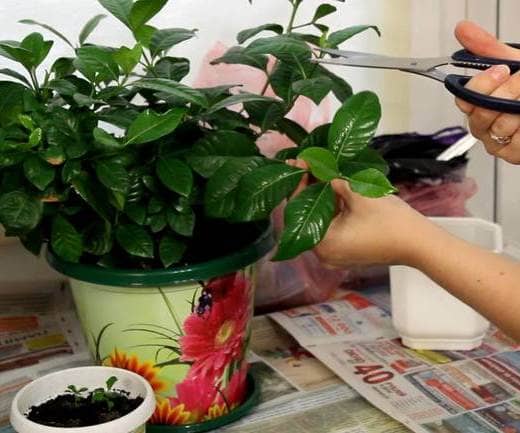
The size of the jasmine plant can be controlled by pruning. The plant will reach the desired size after that. When pruning, you can remove dead and matted plant pieces.
Keep in mind that you shouldn’t remove more than a third of the plant at a time. Pruning allows your jasmine plants to grow in a certain direction.
harvest jasmine
Most people use jasmine to make tea. When you see a jasmine plant open, pick the flowers. Place them in a cool, dry place. Cold air slowly dries them out.
Once dried, these petals can be used to make tea or infused into syrups, drinks, etc.
Before picking flowers for edible purposes, make sure the plant is free of pesticides and herbicides.
Related articles to complete this reading:
Share it on the networks: