
If you purchase an item through links on this page, we may earn a commission. Our editorial content is not influenced by commissions. Read full disclosure.
Impatiens are among the most popular garden plants, and it’s no wonder why. They come in a huge range of unique colors, and you can find types that thrive in shade or sun, in the ground or in containers.
Since they grow in shade, you can enjoy their beautiful color in darker areas, which is why they are so popular. Native to Africa, they adapt to most climates in the United States.
These colorful flowers are also known as busy Lizzies, touch-me-nots and jewelweed. They bloom in colors like orange, pink, yellow, white, and purple, or a mix of colors.
Here’s everything you need to grow impatiens:
The best varieties of Impatiens
There are two common species of ornamental impatiens, which are common or garden impatiens (Impatiens walleriana ) and New Guinea impatiens (I.Hawkeri). However, there are dozens of other species that are less common, including I. balsamine And I.capensis.
I.walleriana cultivars and hybrids are more susceptible to conditions like mildew and thrive in shade, making them a popular choice.
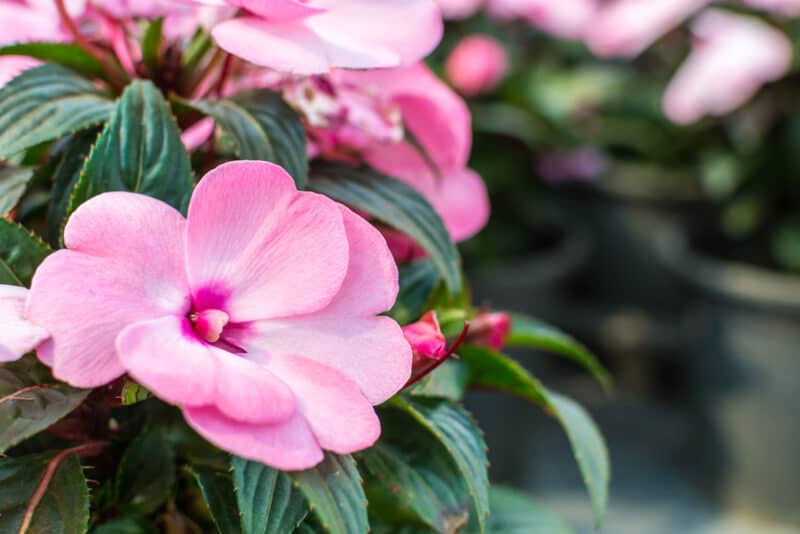
On the other hand, I.Hawkeri are more resistant to mildew and prefer a little more sun.
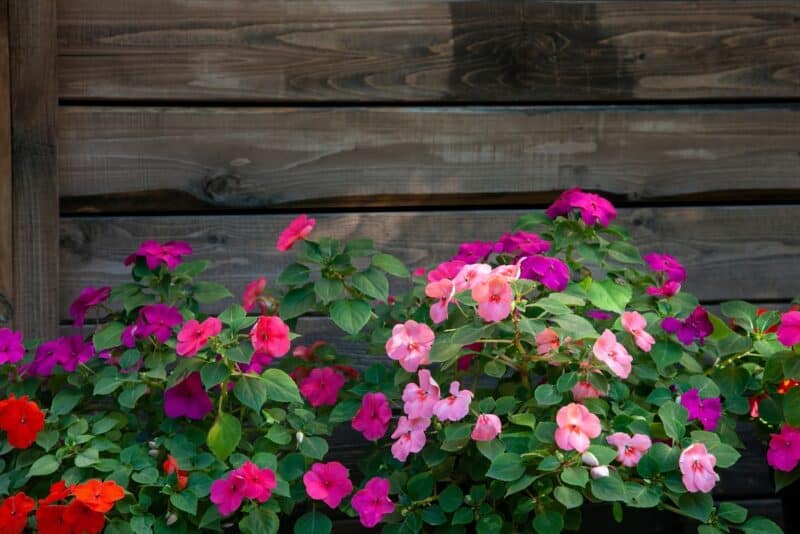
You can also find hybrids of the two. If you’ve tried growing impatiens in the past and encountered disease issues, these hybrids are a more modern and resilient solution.
Here are some of the best strains for growing impatiens:
- Imara XDR (I.walleriana ‘Imara XDR’) is one of the few common impatiens resistant to downy mildew.
- Tag (I.walleriana ‘Beacon’) is mildew resistant with bright colors.
- Sunpatians (I.x ‘SunPatiens’) grow in full sun.
- Wild Romance Series (I.Hawkeri) has frilly double flowers that look more like roses.
- Sunstanding series (I.Hawkeri interspecific hybrid) was bred to be incredibly uniform and reliable.
Impatiens will bloom year-round in USDA plant hardiness zones 10-11, but you can grow them as annuals just about anywhere in the United States. Grow them in hanging baskets, patio containers or planters, or plant them directly in the ground.
Impatiens Seed Propagation
It is possible to successfully grow impatiens from seed. Some people choose to buy young transplants instead.
Sow the seeds indoors 8-10 weeks before the last frost of the season. These seeds will die in freezing temperatures, so you should do this process indoors where it’s warm if you live somewhere that freezes. A heat mat can help improve germination.
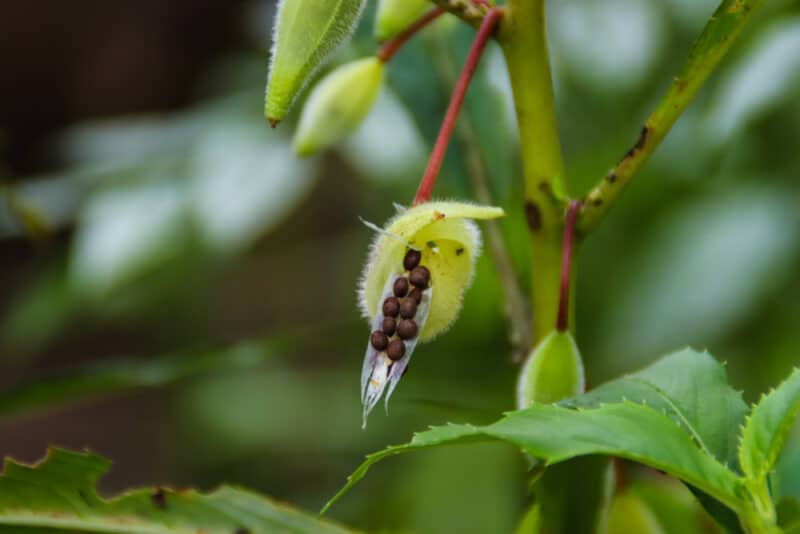
If you already have impatiens, you may be able to harvest the seeds from the pods in late summer or fall. Keep in mind, however, that many impatiens are hybrids and will not grow or set seed at all.
If you have a certain type of impatiens at heart, it is better to buy live plants or certified seeds.
Start new seeds indoors with a seed starting mix. Seeds can take a few months to grow from planting to full bloom, so plan ahead. Put the seeds in a place with bright, indirect light and keep the soil moist.
Before planting outdoors, harden off the seeds for a week.
Caring for the impatient
Once you have seedlings, whether you have grown them or purchased them, decide whether to plant them in a container or in the ground. The needs of the plant are the same, but growing in a container gives you some advantages.
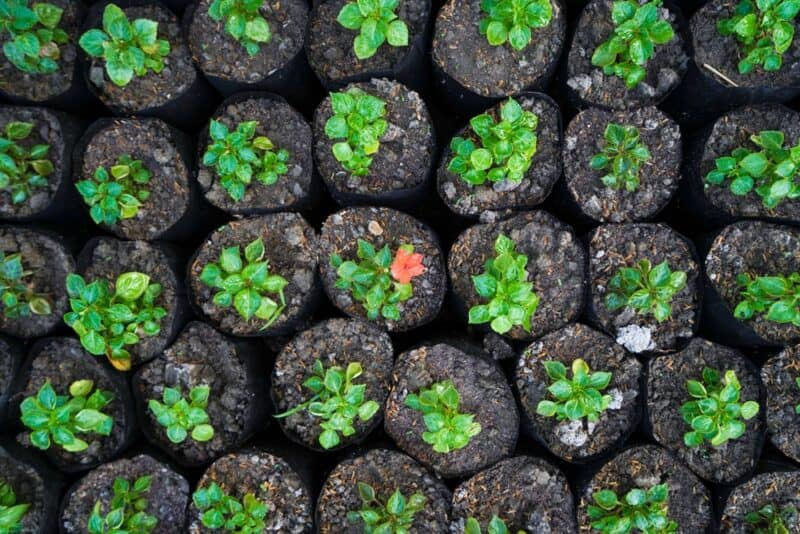
Growing impatiens in a pot allows you to move your flowers to various locations as the weather changes. Get really hot? Move the pot to a more shady area. Have a cloudy week? Move them to a sunnier location.
Plus, pots allow you to monitor their progress and protect them from pests and disease.
You will need a pot of the correct size for the plants. One plant is fine in a six-inch container, but many plants need something bigger, like at least a gallon pot. Whatever size you choose, fill it with potting soil that retains water.
Impatiens like well-drained soil that is amended with organic materials like compost. These flowers prefer a pH range of 6.0 to 6.5, which means slightly acidic soil. They are adaptable, however.
Give the seeds well-drained soil. This is non-negotiable. If the soil retains water and remains soggy after watering, it causes root rot.
watering
After planting the impatiens, water them once a week, depending on where you live, so they get about two inches of water per week. During the summer, monitor their progress and increase the watering schedule if the soil dries out.
Watering is slightly different if you plant impatiens in hanging baskets or in small pots. These containers require daily watering, especially in hot weather. One trick is to place the hanging baskets near your door or shed, so you can pass them every day and not forget them.
If you don’t water regularly, the plant can begin to wilt, leaving it open to diseases like mildew. The general rule is that the plant needs water if you can put your finger in the soil and it is dry to the first knuckle.
Use organic matter like mulch to help retain moisture. Humidity control is the most difficult aspect of growing impatiens, so prepare for success.
Light and temperature
Impatiens can be planted in full or partial shade, or direct sun, depending on the type. If you have a dark spot that needs color, impatiens can brighten up the area.
Humidity and heat should be moderate for impatiens. They don’t like heat above 90°F, so you need to be careful in hot weather. A regular watering schedule can prevent wilting, but you may want to invest in a shade cloth.
If you are growing impatiens in containers, move them to a cool, shady spot during the hot part of the day.
Fertilizer and pruning
Use a water-soluble fertilizer every two weeks in the spring or summer, or apply a slow-release fertilizer in the summer. Always read the label on the product when using fertilizer.
When impatiens have been blooming for a while, they tend to get long. Take your garden scissors and cut off the top third of the plant if it starts to look overgrown. Not only does this keep your impatiens compact, but it also encourages bushy new growth.
Pests and diseases
We mentioned late blight as the most devastating problem when growing impatiens, but other pests and diseases could attack. Watch for mites, aphids and scale insects.
aphids
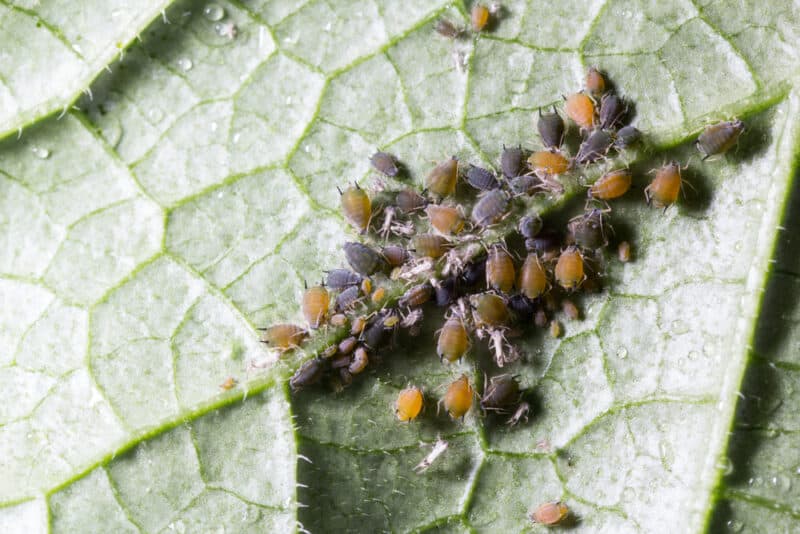
Aphids are easy to identify by the sticky residue they leave behind. They are small, so care must be taken when observing the plants, but the honeydew they leave behind is obvious. To avoid spraying chemicals, plant mint, fennel or dandelion.
These plants attract natural predators like ladybugs and lacewings, which eliminate aphids for you. But, if natural methods don’t work, try an organic pesticide such as Bonide’s Insecticidal Soap, available on Amazon.
mealybugs
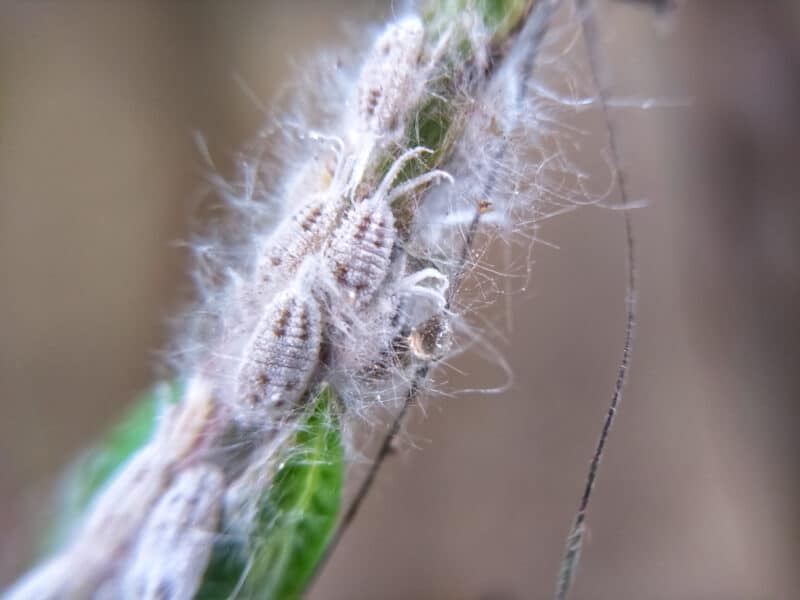
The main sign of scale insects is a white cottony substance on your plants. This substance looks like cotton wool, but if you look closely you will realize that it is actually the parasites themselves. They have a waxy, cotton-like protective coating.
The most common areas to find scale insects are on stems and leaves.
Scale insects can also leave behind sticky honeydew, similar to aphids. If you see honeydew on your plants, it’s a sign that you are dealing with scale insects or aphids.
Mealybugs take a different approach due to their protective coating. Check out our guide on how to get rid of it.
spider mites
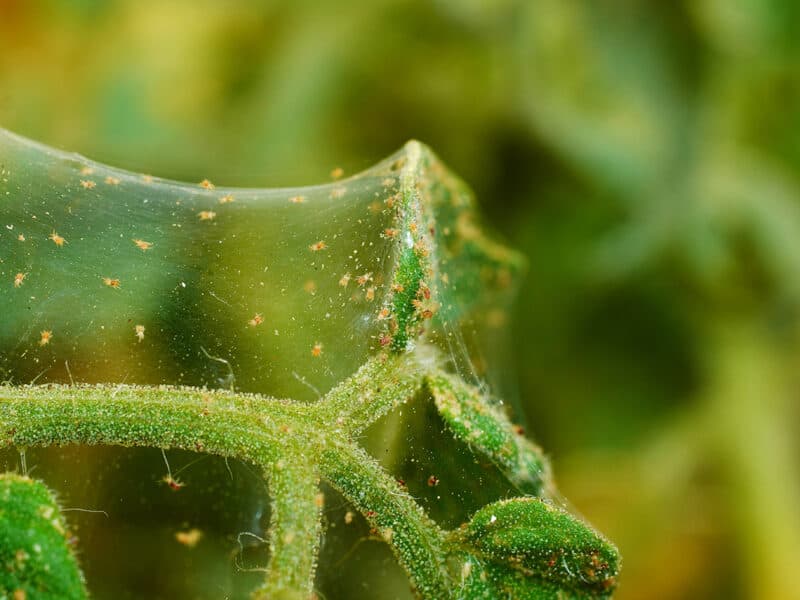
Small yellow or brown spots on the leaves are often symptoms of spider mites. These pests love to eat impatiens, so you need to know the signs of an infestation.
Mites are small, which makes them difficult to spot on your little impatiens. Shake the leaves and place a piece of paper under the petals. It’s a great way to catch spider mites so you can check to see if it’s these pests or another problem.
You may also see fine webbing all over the plants, stunted growth, or drooping flowers.
To treat spider mites, use neem oil or an acaricide. They are often resistant to pesticides, so it is best to use natural methods rather than a broad-spectrum pesticide. Visit our guide to learn more.
Mildew
Downy mildew is a fungal disease that commonly infects impatiens. It caused untold damage and caused many people to give up growing impatiens.
It begins by attacking the foliage. Watch out for discolored spots on leaves that are pale green, yellow, or brown. They can be on either side of the sheet, so remember to flip them over to look for signs.
If you catch the disease early, remove all infected leaves. Do not water the plants in the evening, as this leads to high humidity and allows disease to spread.
Unfortunately, there is no chemical treatment for this disease. You should remove your plants if this appears. Be careful with watering and prune to reduce humidity. Hopefully this will prevent the disease from infecting your plant.
Plant resistant varieties like New Guinea impatiens and their hybrids.
Was this article helpful?
Yes No ×
We appreciate your helpful feedback!
Your response will be used to improve our content. The more feedback you give us, the better our pages will be.
Facebook pinterest