
Keeping a tropical plant native to the rainforests of Brazil in your home may seem like a challenge, but it can be relatively easy if you know what this plant needs to thrive. The Ctenanthe plant, also called the Never Never plant, is an evergreen plant with unique variegated foliage that can add color and vibrancy to any interior.
How to care for a Ctenanthe plant? Grow your Neverland plant in well-drained soil, provide bright, indirect light, and keep the soil moist but not soggy. Maintain high humidity, maintain temperatures between 55-85F, and fertilize monthly throughout the growing season with a medium-strength fertilizer.
The Never Never plant, if properly cared for, can add a beautiful and unique touch to your home. Unfortunately, many homeowners and gardeners don’t know how to create the most hospitable environment and growing conditions for this plant to thrive. Read on and I’ll give you all the important information you need to help your Ctenanthe plant thrive.
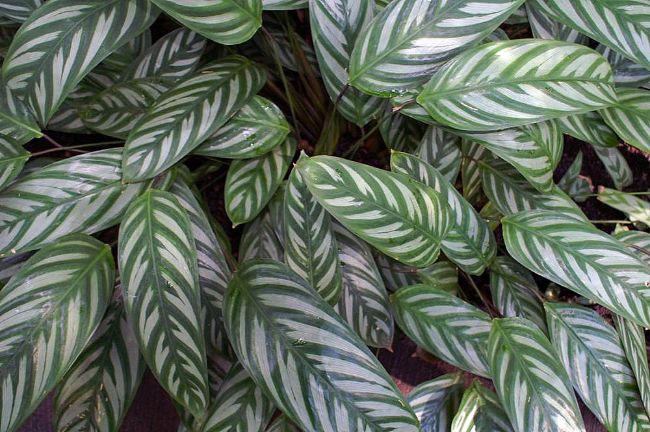
How do you take care of your Neverland plant?
The silver and green striped foliage of the Never Never plant adds a tropical flair to your home, even if you live in areas where the long, cold winters are far from the sun and heat of the rainforest.
The Never Never plant is known for its lanceolate or lanceolate leaves whose dark green foliage is interrupted by striped streaks or bands. These silver bands also give the Never Never plant its other common name: the Brazilian snow plant. Although small flowers may appear, most gardeners save the plant for its impressive foliage.
This tropical evergreen tree requires specific growing conditions that mimic the humidity, temperature, light levels and soils of its native rainforest habitat. Without these conditions, the plant will still be able to grow, but it will not fully develop the unique leaf coloration most valued by plant lovers around the world.
- Origin: Central and South America tropical forest areas
- Lighting requirements: Bright and indirect light. Avoid excessive direct sunlight.
- Water: Provide moist soil, but avoid soggy conditions. Water as soon as the top of the soil seems dry.
- Usually I: Nutrient-rich, well-drained soil. Equal parts potting soil, peat moss and perlite work well.
- Temperature: 55-85°F (13-29°C).
- Fertilizer: Balanced, water-soluble fertilizer applied monthly while the plant is growing. This is the fertilizer I use.
- Humidity: Medium to high humidity. With low humidity, leaf curls and brown tips will develop.
- To bloom: Small, insignificant white/yellow flowers appear intermittently throughout the year when grown in the right conditions.
- Cut: It is only necessary to control the size and remove dead foliage. The plant will spread if allowed.
- The reproduction: By division or seed.
- Transplant: Every 1 to 2 years in the spring
- Popular varieties: C. burle-marxii, C. oppenheimiana, C. marantifolia.
- Diseases and pests: Quite robust. Botrytis thrives in extremely humid conditions. You can catch scale insects, thrips and spider mites.
- toxicity: Generally safe for children and pets.
factory overview ever
The Ctenanthe plant belongs to the genus of flowering plants in the Marantacea family. This family of plants are all evergreen perennials and are mainly found in the rainforests of Brazil, although they can also be found in parts of Central America, such as the rainforest habitat of Costa Rica. . Outside of their native habitat, these plants are also widely grown as unique ornamentals due to their multicolored foliage.
Being tropical plants, they are very sensitive to frost and can be damaged beyond repair when the outside temperature drops below 55°F or 13°C.
Most growers in North America grow the Never Never plant in containers and move them outdoors starting in late spring once the risk of frost has passed. They then move indoors during the late fall and winter periods.
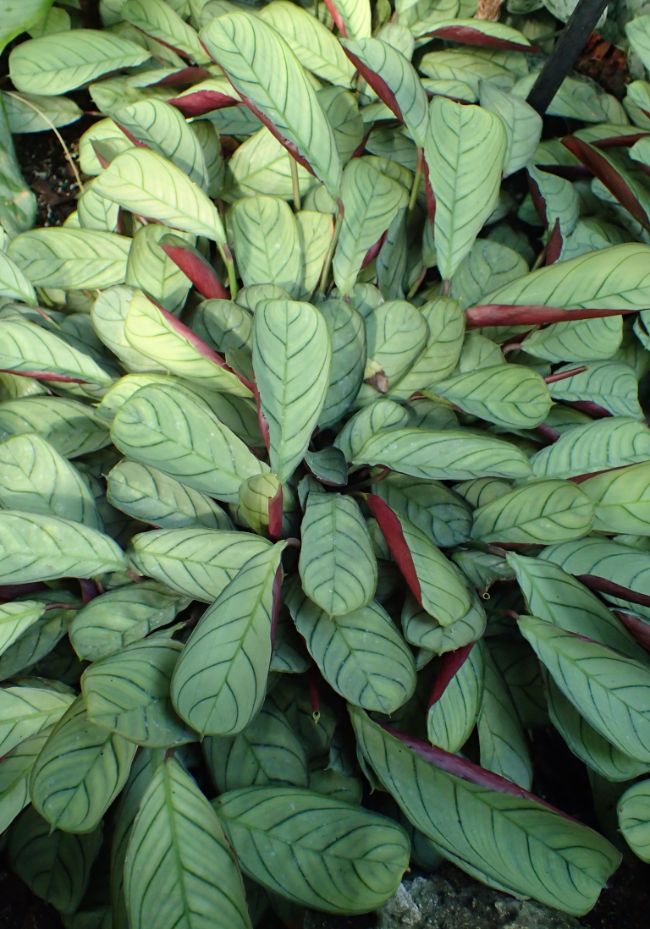
Features of Ctenanthe
Under the right growing conditions, the Never Never plant can grow up to two feet tall (just over 2 feet), spreading horizontally and reaching no more than 12 to 18 inches in height. They develop long oval leaves up to 40 centimeters long, which are marked by their beautiful silvery patterns.
The exact size of the plant will largely depend on the size of the container to allow for optimal root growth. However, even in small containers, plant species in the Ctenanthe family can easily reach several feet in size.
In most cases, a dark brown color will develop on the undersides of the leaves to add color and texture. The compact habit of this plant requires little pruning, making it an easy-care houseplant.
Light Requirements for the Never Never Plant
One of the main requirements for successful growth of the Never Never plant is to create an environment that provides bright but indirect light. When considering where to plant your Never Never plant, consider the rainforest ecosystem where these plants thrive. Long light days are the norm, although the dense canopy provides shade, reducing the amount of direct light.
Inadequate lighting can cause leaf problems that negatively affect the beauty for which the plant is most valued. Without a constant, constant source of indirect but bright light, the color patterns of the leaves will change drastically.
In very low light conditions, the newly emerged foliage will be firm, dark green, and the attractive silvery spear-like patterns will be inconspicuous or absent altogether. On the other side of the coin, too much light will cause blurring, diminishing the appeal of bright hues.
If you have windows in your home that are regularly shaded by trees, you can place your Ctenanthe plant in those windows. You want to avoid windows or areas of your home where hot, direct southern or western sun constantly hits the plant.
In most cases, an east or north facing window is the best place for a Never Never plant (if you live in the northern hemisphere).
 Ctenanthe oppenheimiana ‘Tricolor’
Water requirements for the Neverland plant
As with all plants, proper watering is essential for the plant to thrive. Although the Ctenanthe species of plant generally tolerates varying levels of soil moisture, make sure the plant never dries out. Water thoroughly as soon as the top of the soil seems dry.
Keep adding water until it comes out of the pot’s drainage holes. I tend to water my small houseplants near the sink so that any excess water can drain out of the pot before I put them back. If you use a drip tray, be sure to empty it after a few minutes to prevent the roots from standing in the water.
Continuous overwatering can cause root rot. You can avoid this by monitoring plant condition and soil moisture to determine when to water, rather than relying on a watering schedule. Read this article for great tips on determining when your houseplants need water.
Never Never Plants can develop brown leaf tips if you regularly use tap water for irrigation that contains a lot of chlorine or fluoride. Ideally, you should try to use filtered water, distilled water, or collected rainwater.
Temperature Requirements for Ctenanthe Plants (Never Plant)
Although native to the Amazon rainforest, the Never Never plant will still be able to survive and even thrive in cooler temperatures. If you live in an area with relatively cool summers, your plant will be fine as long as temperatures stay above 13°C.
Since this plant likes temperatures between 55-85°F, it will adapt to normal indoor temperatures. For people who live in areas with cold winters, be careful not to leave the plant outside when severe frosts threaten, as a severe overnight frost can cause irreparable damage.
Ctenanthe plant soil and fertilizer (never plant)
Most potting soils will be fine for your Never Never plant, but be sure to find one that drains well to avoid the problem of water accumulating in the plant’s root zone.
If you have potted or repotted a Ctenanthe plant, you should wait at least 6 weeks before fertilizing to allow the root system to become established. However, once established, you should apply a balanced water-soluble fertilizer at half the recommended strength monthly. this is what I use for many of my indoor plants.
 Ctenanthe burle marxii
 Considerations on the pests and diseases of the Ctenanthe plant
The Never Never plant is generally resistant to a wide variety of diseases and pests. However, in some areas mealybugs, thrips and mites can be a problem.
Mealybug infestations can cause sticky, white residue on the plant, while spider mites can cause yellow, mottled leaves that diminish the attractiveness of the foliage.
You should deal with errors as soon as they appear. I wrote another post on some of the best natural options for getting rid of houseplant bugs.
Botrytis, also called gray fungus, can also affect the Never Never plant if too much moisture is present. You can avoid this common fungus by maintaining optimum humidity and never letting the potting soil become soggy.
Changes in the foliage of the Never Never plant, such as curled or drooping leaves, can be caused by excessive heat, too much light, low humidity, or too little water.
If you see brown tips on the leaves or if the whole plant is turning yellow, the plant may need more nutrients or you may need to adjust your watering methods. Proper plant care is often all that is needed to restore foliage to its vibrant green and silver hues.
Reproductive Considerations for the Never Never Plant
The Never Never plant is relatively easy to propagate by dividing the adult plant. The ideal is to do this in the spring, because the plant will begin to grow strongly.
Popular species of Ctenanthe
Ctenanthe species, including C. burle marxii (known as the spiked prayer plant for its unique color variations), C. oppenheimiana (known for its unique cream-colored stripes), and C. marantifolia (those beautiful golden stripe patterns) are popular choices.
Is Ctenanthe toxic?
In terms of toxicity, almost all plants of the Ctenanthe species are listed as non-toxic and are not toxic to your pets. In some cases, individual allergic reactions may occur, although these are generally considered minor at worst.