
If you purchase an item through links on this page, we may earn a commission. Our editorial content is not influenced by commissions. Read full disclosure.
Most of us have seen these gorgeous orchids at the grocery store or home store and brought home one (or more) to brighten up our interiors. But once the flowers fade, we’re left with a set of leaves that aren’t so fun to watch.
Is it possible to make this orchid bloom again? Absolutely! The key is to trick your plant into thinking it’s dormant and ready for another show.
Keep reading to find out how to get there.
Why Orchids Stop Blooming
Did you know that the orchid family is one of the largest families of flowering plants? Orchidaceae flowers have spectacular colors and sizes and a fragrant scent that attracts various pollinators.
Thanks to their fantastic appearance, thousands of people collect and grow orchids at home. However, the flowering process is quite complex in orchids.
The flowering phase is divided into two distinct stages: floral transition and floral development. In the floral transition stage, the plant needs cool temperatures to flower. Floral development corresponds to the appearance of the ear and the growth of the petals.
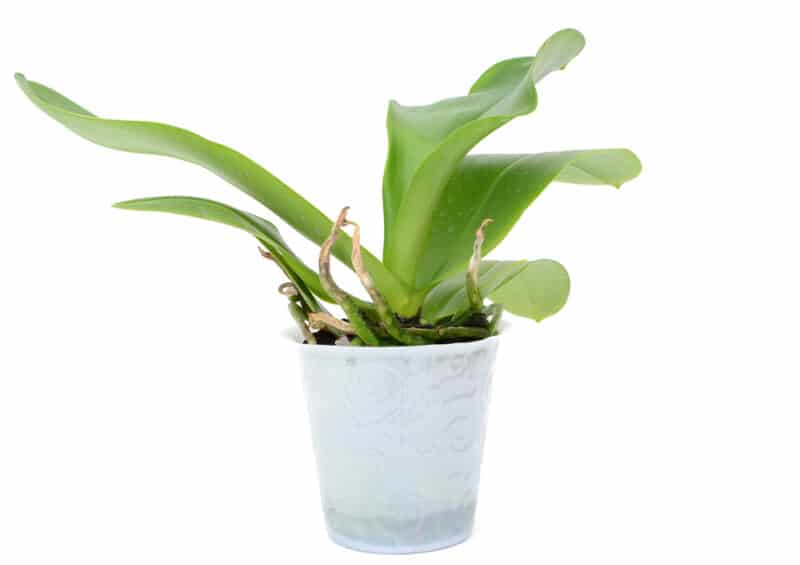
The reason why orchids do not bloom again is due to several factors. Growing conditions must be perfect if you want to see fresh petals.
1. Light
When growing orchids, you need to provide them with adequate light. The most common types of orchids kept at home are Phalaenopsis and Paphiopedilumboth of which require filtered light.
Ideally, you should keep orchids on a windowsill with a sheer curtain to protect your plant from direct sunlight, but provide plenty of bright light.
Depending on the variety, you may need to give your orchid more or less sun. For instance, Dendrobium, Cattleya, Oncidiumand other medium or high light orchids may need to be placed outdoors for a short time in the summer.
If your orchid needs more light, you can try hanging it from a tree in a basket to get more light. Alternatively, you can place artificial lights around the plant to further stimulate flower growth.
2. Root system
Think of it this way; if you have a strong root system you will get vibrant flowers. Investigating your orchid’s root is essential even if the flowers appear healthy. Sometimes the leaves may look strong, but the roots suffer.
When the roots do not receive enough oxygen, it will prevent the flower from developing and limit the production of flowers. Another symptom of root problems is when the roots turn black and soft.
Repotting your plant is a good idea if you think the roots are having problems.
3. Bad season
Each species of orchid has its own time of year for blooming, so research the growing season for your particular plant. Remember that nurseries can force flowering at any time of the year in order to sell plants. Just because it was blooming when you bought it doesn’t mean it will always bloom at that time of year.
Generally, orchids grow in the summer and bloom in the fall. If you’re worried that your orchids won’t bloom in the dead of winter, be patient.
Most likely, you are looking for flowers at the wrong time of year. So give it some time and you’ll see pretty flowers!
4. Not enough natural stimuli
Orchids are ruled by their natural climate, so they know when to bloom again. If the plant does not receive the right amount of natural stimuli, it will not flower.
To help you get your orchid to bloom again, you need to know how to mimic its natural environment. That’s what we’ll talk about next.
Tips for getting your orchid to bloom again
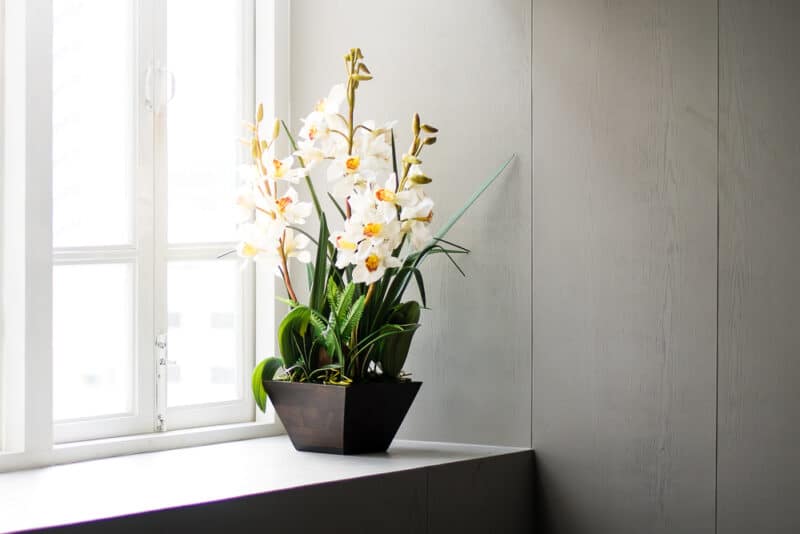
Try these tips at home to get your orchid to bloom again. You may need to try several techniques before you find what your plant needs.
1. Adjust the lighting
The best location for orchids is a south-facing window covered with a sheer curtain as they will be lit throughout the day. You can also mimic the natural sun with artificial lights. To recreate the natural rhythm of the earth, leave them longer in summer and less in winter.
When checking your plant you should look at the color of the leaves. A healthy orchid that gets enough light will have medium to light green leaves. A new leaf should be larger than the previous one as it enters the flowering cycle.
2. Provide Cooler Temperatures
Orchids need a comfortable climate if you want to see flowers. However, to set off new blooms, you need to trick it into thinking it’s been through a cool winter period.
Placing your plant in a cold place can trigger new flowering. Temperature should be 60°F, and you should leave it there for a few weeks. Consider placing your plant near a basement window or even in a garage where it will receive light.
You can also try opening a window at night as this will mimic the natural transition to colder temperatures in rainforests at night.
Although 60°F is suitable for some orchids, other species might need even colder temperatures, down to 40°F. Make sure you know what your orchid needs.
3. Cut the flower spike
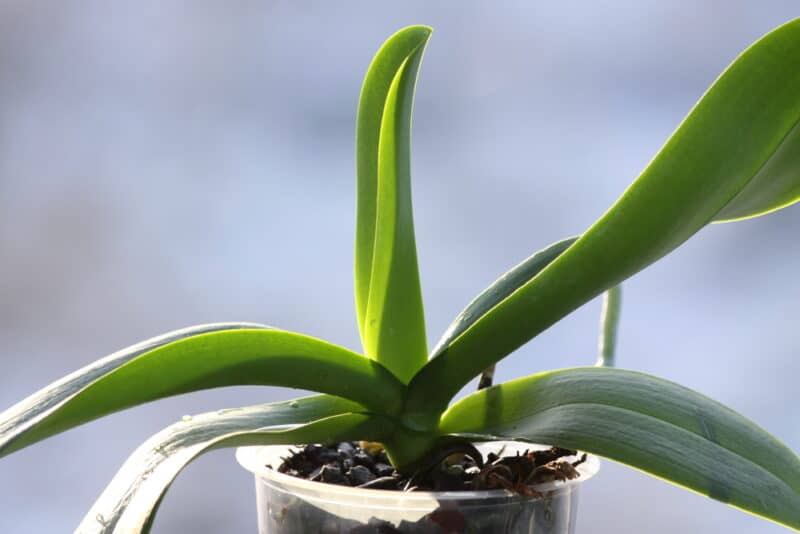
The flower stalk of orchids tends to bloom only once, with the exception of a few varieties like Phalaenopsis. Once this flower spike fades, it will no longer bloom, so you can remove it.
For some orchid plants, cutting the flower spike will recharge its energy and increase the likelihood of reblooming. Remember to wait until the flowering season has passed and cut the stem with a pair of sterilized scissors.
4. Fertilize
Once your orchid is dormant, begin feeding it with a gentle, balanced fertilizer designed for houseplants. Apply it once a week or every two weeks until the flowers start to form.
When you notice the flower stalk and buds growing, stop feeding.
5. Water to bloom again
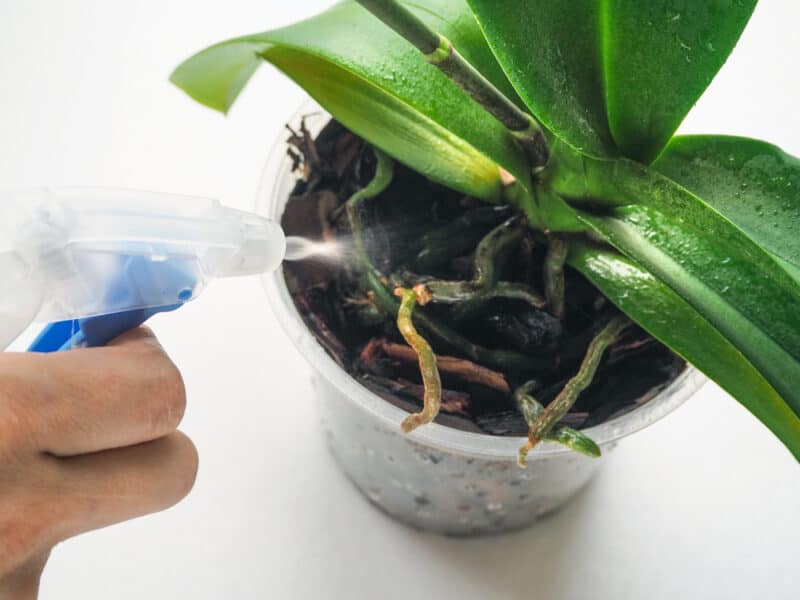
Overwatering rarely leads to positive results for orchids. You need to limit the amount of moisture you give the plant to encourage reflowering.
The plant is usually dormant during the winter, so it needs less water than in the summer, but don’t let it dry out completely.
6. Give your plant time to recover
Once your plant has flowered, it takes time to recover and bloom again. Some orchids, like Phalaenopsis, can rebloom several times a year, but others will only bloom once no matter what you do.
Try not to be impatient. Nature has its own timeline.
When the climate is ideal, you can be sure that flowering will occur soon. Once you’ve provided cooler temperatures and started feeding, it should only take a month or two before you begin to see a new flower spike.
7. Learn about the growth cycle
No matter what type of plant you are growing, knowing the individual growth cycle is crucial when caring for new plants.
Once you learn about your plant’s rhythm, you can determine what stage your orchid is in and how best to meet its needs. Then you can focus on its maintenance during growth and on the flowering of flowers.
8. It could be bad genes
Unfortunately, another cause for an orchid not to bloom again is that it has bad genes. Although there is nothing you can do about this problem directly, it is useful to know in advance what could be stopping flowering.
When buying a plant, you should always buy from a high quality seller and double check the quality of other plants. This will help you determine if the plant in question is healthy and if it will bloom again.
9. Watch out for pests and diseases
Of course, pests and diseases are often associated with reflowering failure. Some insects can destroy entire plants and ruin the possibility of new flowers.
No one wants their orchid to lose its beauty, so getting regular checkups is an essential part of your care routine.
So what are common pests and diseases?
There are a few main issues to consider when caring for orchids. First of all, to rot can prevent your plant from blooming again. To identify this disease, you may see yellow, orange or red spots appear on the leaves. The roots may have black spots or be soft.
The simplest treatment for rot is to remove the infected area and reduce watering. Also, make sure your plant does not stand in standing water. Treatment with a copper fungicide may also help. Bonide is a great option and you can grab it on Amazon.
Botrytis also infects orchids and may interfere with reflowering. Symptoms are small brown spots on your orchid flowers. After your flowers fade, the plant is still infected and new flowers may not emerge.
Good air circulation and careful watering to avoid leaves or allow standing water to remain are key to avoiding this problem. You will want to keep infected plants isolated so that the disease does not spread.
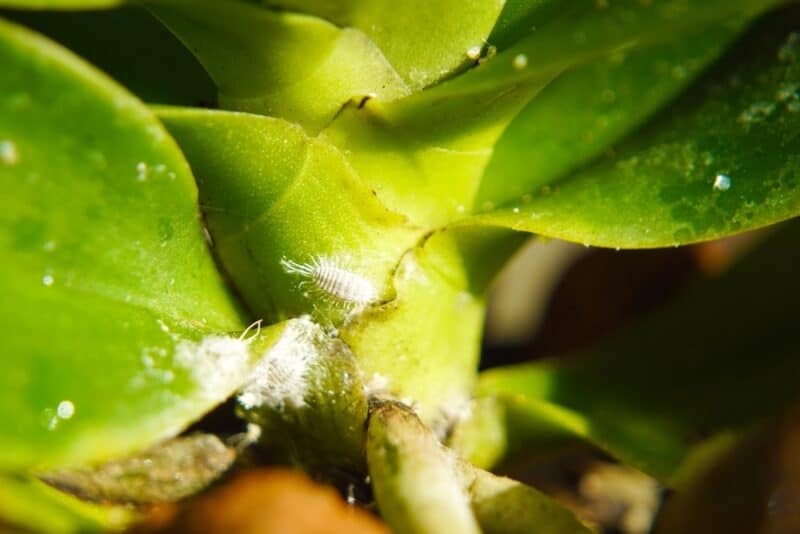
Also watch out for aphids, spider mites and scale insects.
Was this article helpful?
Yes No ×
We appreciate your helpful feedback!
Your response will be used to improve our content. The more feedback you give us, the better our pages will be.
Facebook pinterest