

If you are passionate about roses, you surely have several varieties in your garden. But you can always keep an eye out for new roses that catch your eye. This is what can happen to you with the Manyo rose.
Do you know her? Do you know what kind of flowers it usually gives? Below we talk about it and we give you the keys so that you can have it in your garden and take care of it so that it lasts a long time. Go for it?
How is the Manyo rose
Truth be told, there isn’t much information on the cultivar of the Manyo rose. However, we can tell you that it was created in 1988, relatively modern. The author of this was the rosalista Seizo Suzuki, in Keisei. And yes, you guessed it, we moved in this case to Japan.
It is also known that this rose is a hybrid of several Floribunda roses (it is not known exactly which ones, but in that year it received the name it currently bears.
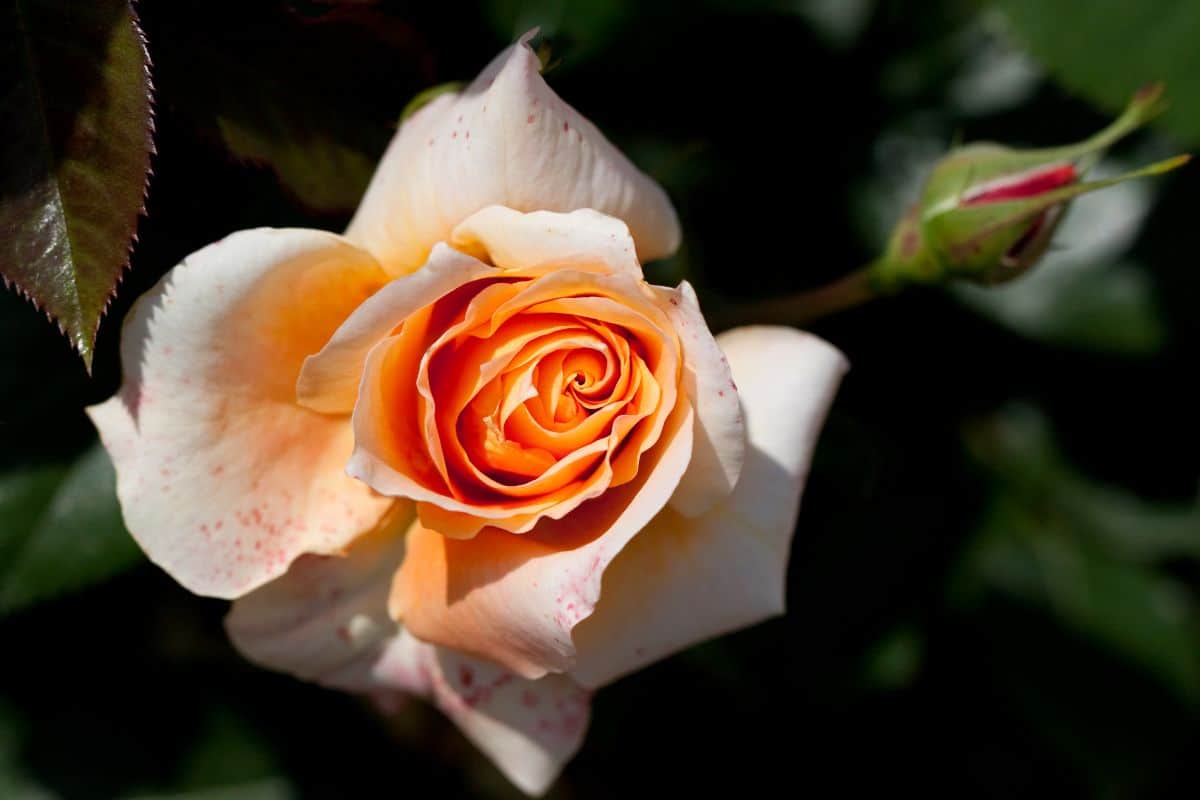
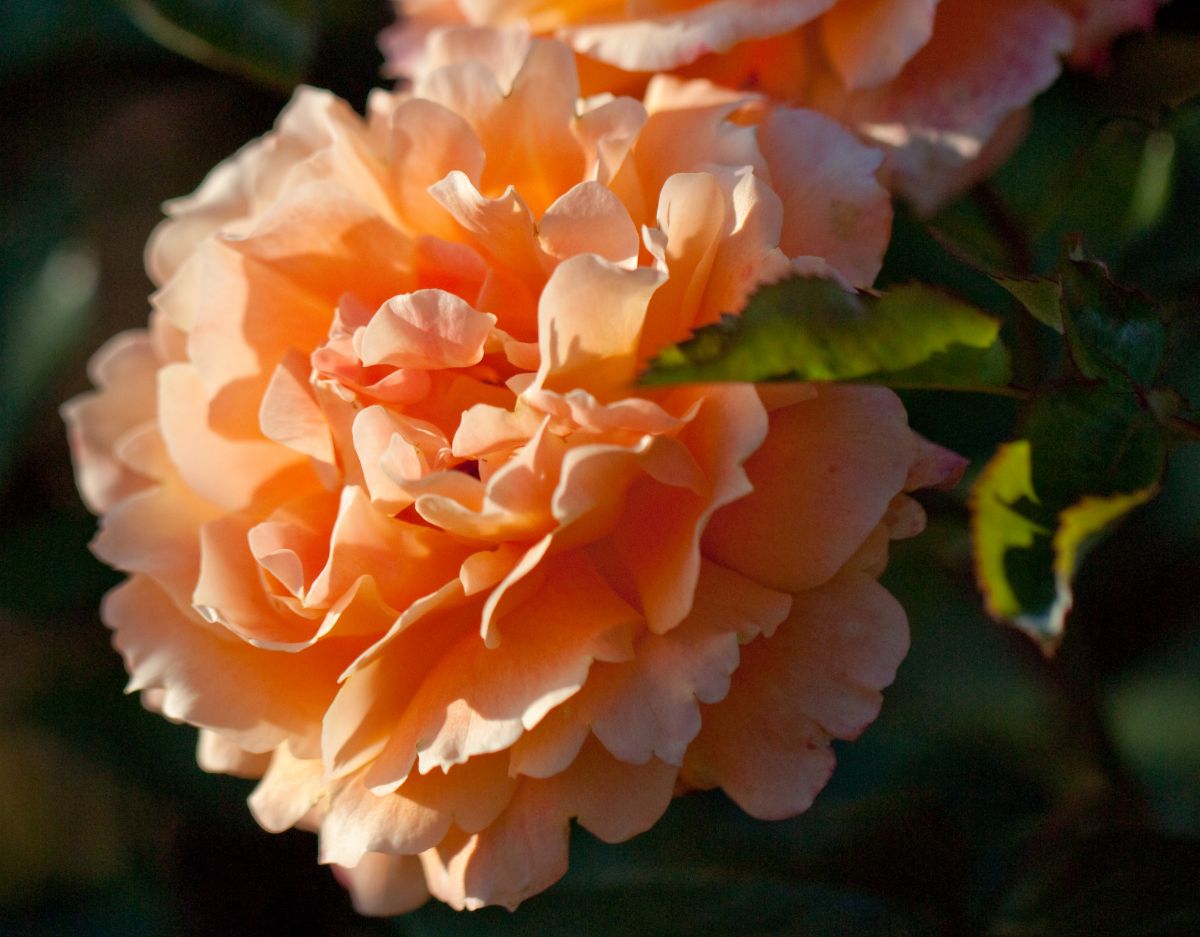
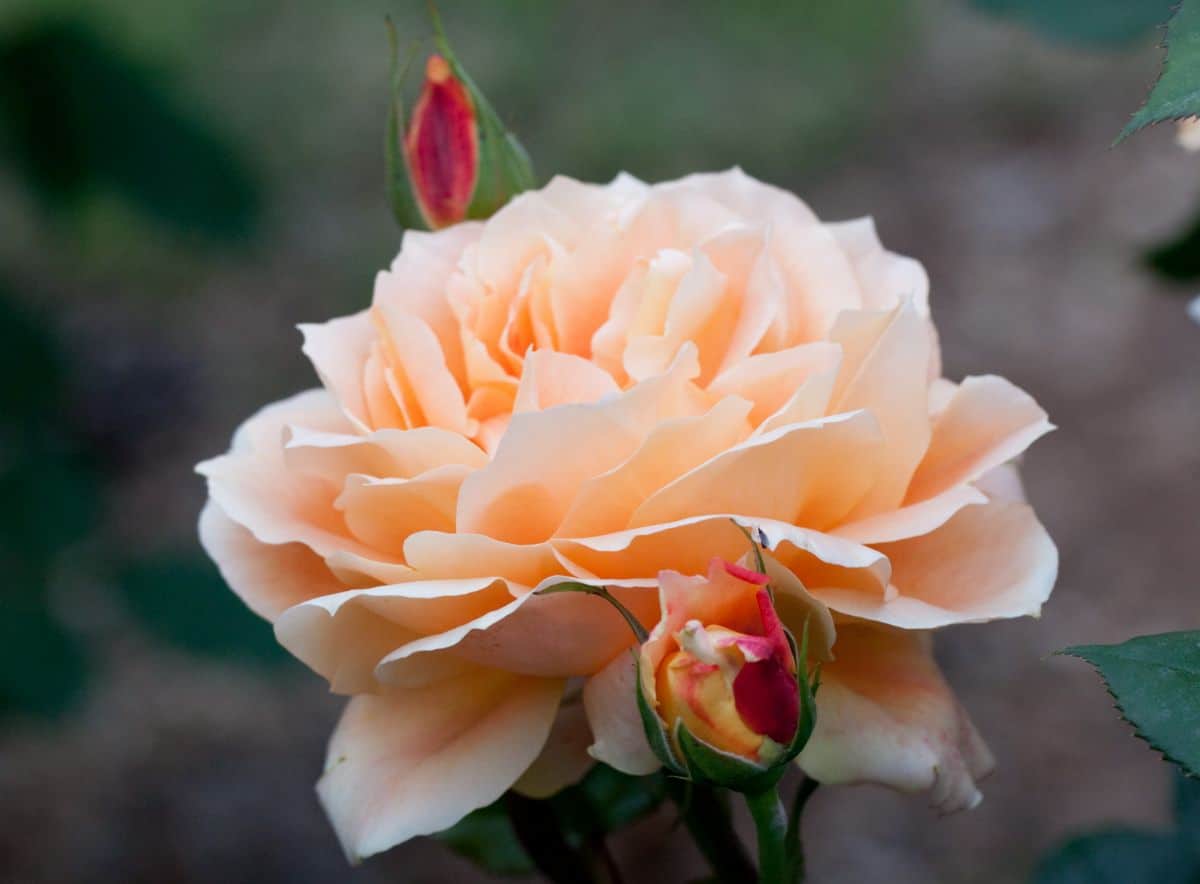
And how is the Manyo rose? Well, it is a shrub type rose that can reach 90 centimeters in height. It usually does not extend in width, but rather in height. Its leaves, as well as the stem, are very dark green and bright in color. But what attracts the most attention, and what stands out the most, are its medium-sized roses, made up of 17 to 25 petals. They grow in groups of two or three flowers at the same time.
AND if you wonder about its color, know that it is apricot, although it is possible that you will find roses of orange and white tones and that they are Manyo.
Throughout the season (we are talking about spring and summer) it can bloom several times.
Manyo rose treatment
Now that you know a little more about the Manyo rose, wouldn’t you like to enjoy the color of these flowers in your garden? If you like pastel shades and also orange, it can be a big hit to have it. But, as with any plant, you have to know how to take care of it. In this regard, we want to help you and give you some tips that can be useful to take advantage of it. Shall we start?
location and temperature
like any rosebush, the ideal location for the Manyo rose is outdoors. Now you can think about putting it in a pot, but also in the ground in the garden. In both locations, you will be fine as long as there are several hours of direct sunlight. Of course, depending on where you live and the sun that shines, you may need to place it in a semi-shaded site (to prevent the sun from burning the petals) or in full sun.
If you have it in a jar, It is best to put it in a place with plenty of sunshine, but it will have to be monitored more often, especially when it comes to watering.
Regarding the temperature, this rose is not too demanding, although It’s a bit tricky with low temperatures (If it’s the first year you have it, you must protect it to prevent it from getting sick and dying). This is why it is recommended that at least until it fully adapts to the climate and location, much more checking should be done.
Substrate
One of the keys to getting roses to thrive and grow well is the type of soil you use on them. For that, try a mix of universal soil with worm castings (or similar, which can withstand humidity) and also adequate drainage (this will depend on the size of the plant). This way you will oxygenate the roots while nourishing and retaining moisture, which is always needed.
Over time you will need to replace the soil (or transplant it if you have it in a pot). Take the opportunity at this time to add a new substrate and thus replenish the nutrients.
Irrigation
Irrigation is important, but not too much. In the spring all you have to do is keep the soil moist, but in summer it will be even more important, especially since leaving it to dry out for a long time can end the flowering of that year.
For this reason, and depending on where you live and your climate, you will need to water it more or less. In winter, for example, once a week is enough; but in spring it will need at least two waterings. And, in summer, from 3 to 5 weekly waterings.
Try not to water the leaves (this can cause them to burn from the sun), let alone the flowers. All which will also cause the appearance of pests and diseases.
Subscriber
Fertilizing is recommended as long as you haven’t simply transplanted it or added new soil. Otherwise, try flushing it once a month, either organic or liquid with irrigation water. Of course, choose the one that goes according to the roses.
Size
Pruning is done either in autumn or at the end of winter. Consists of prune dead, diseased or bothersome branches. In addition, the rest you will need to cut off a third of their size so that they grow and a new bloom comes out that year.
Plagues and diseases
Roses in general are not plants that are affected by pests and diseases. But they aren’t invincible either. Among the pests you can find are aphids and spiders, which will affect the health of the plant. If this happens, the best thing to do is to use potassium soap or neem oil and wash the whole plant so you don’t miss a single one.
In the case of diseases, the most common is related to root rot. But also You can deal with powdery mildew, rust, mildew or, very commonly, black spot.
Multiplication
Do you remember what we told you about the size? Well, from these branches that you cut, you could make cuttings. It is convenient to leave them 24 to 48 hours in the air to heal and then plant them in the ground. Of course, make sure they have nodes because that’s where a new plant can come from.
As you can see, the Manyo rose can be a wonderful specimen for your garden, whether you want to have it in the garden or in a pot. Do you dare to get one of these plants?