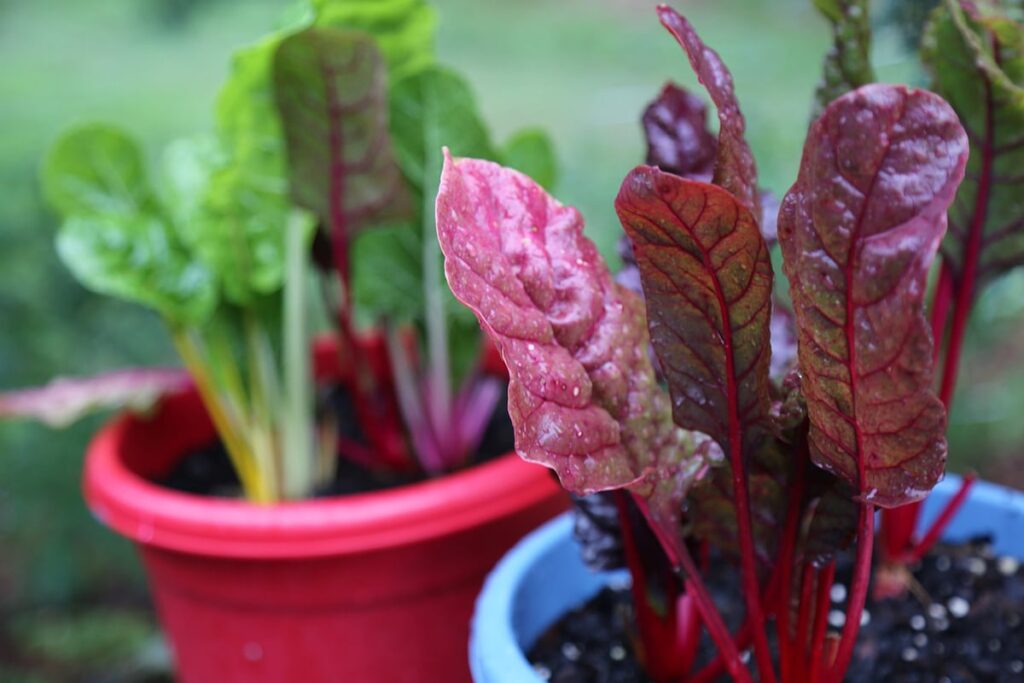

For both gardening experts and novices, Swiss chard is an excellent vegetable to grow. Whether in pots, in an urban garden, on the terrace or in the ground, these plants are very easy to maintain. As long as we know when to plant them and how to care for them, we’ve done just about anything. While it is true that it is not very common for these vegetables to suffer from pathologies, it is necessary to be aware that they can contract them. That is why in this article we will talk about the diseases of Swiss chard.
If you are considering growing these vegetables, I recommend that you keep reading. Not only will we list the most common chard diseases, but we will also explain how to prevent them and what home remedies we can develop to combat them.
What diseases does Swiss chard have?
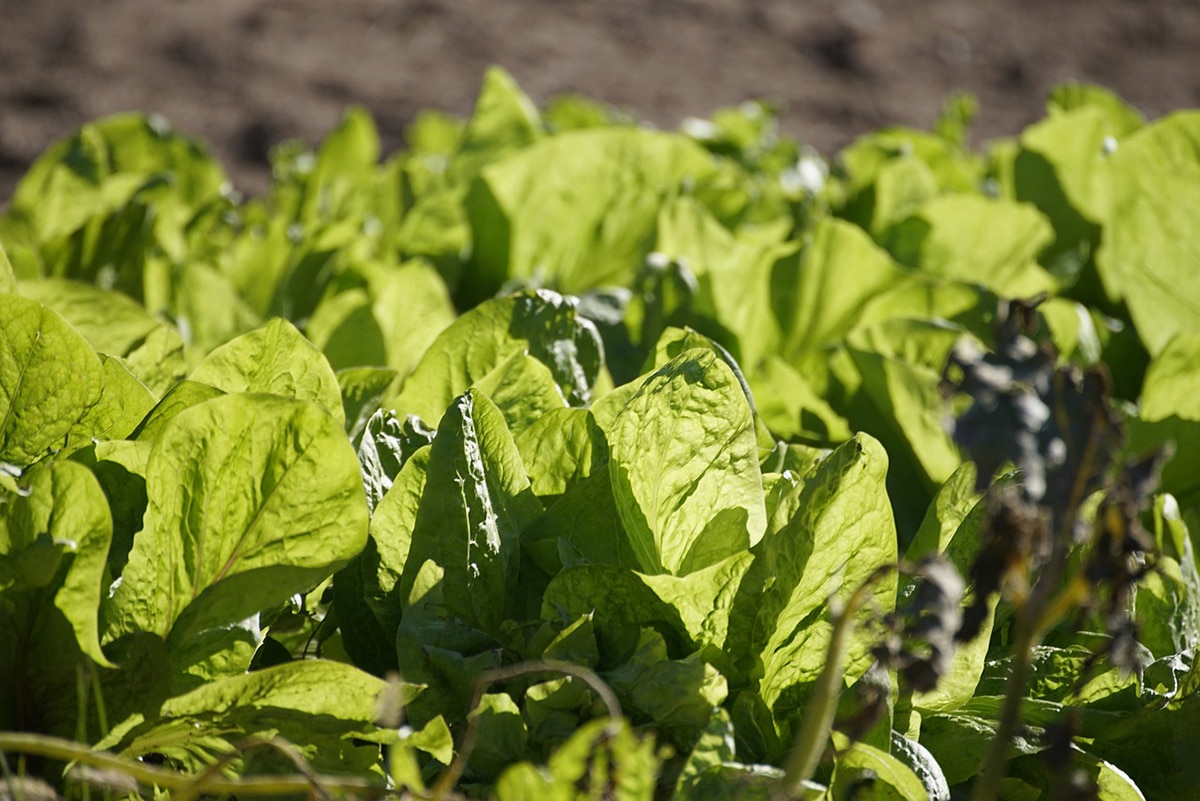
As we mentioned at the beginning, it is not very common for Swiss chard to suffer from diseases, at least compared to other crops, such as tomatoes. However, it never hurts to take preventative measures, both for pests and for fungi and viruses. A good way to do this is to provide additional benefits to plants.
Among the most effective and important methods is intercropping. By using this technique, we can ensure that the vegetables benefit from each other, providing certain necessary elements. In the case of Swiss chard, they enrich the soil with nitrogen. The ideal would therefore be to associate them with other plants providing phosphorus. These are usually fruit and flower crops. Additionally, they can also be paired with vegetables that provide potassium, such as root vegetables and tubers.
It is therefore a very good idea to plant chard with carrots, peppers, radishes and tomatoes. These will benefit from the nitrogen provided by the chard, while the chard will benefit from the additional nutrients. In addition, if we grow onions and/or aromatic plants, we can hunt various pests it can affect not just Swiss chard, but every crop we have. But be careful, it is not recommended to plant these vegetables next to asparagus or leeks.

Related article:
How to Grow Swiss Chard
If it is true that through the association of crops, plants are strengthened thanks to the various nutrients they receive, they are not entirely safe. Let’s see what are the most common chard diseases that we can find, of which we will highlight two:
- Cercospores
- Sclerotinia
- Yellowing of beets
- peronospora
- beet mosaic
- Cucumber virus I
- virus
Swiss chard pox
Among the diseases of Swiss chard is the so-called Swiss chard pox. This phytopathology causes spots of up to five millimeters on the leaves and can eventually cause them to rot. It is a fungal disease caused by Cercospora beticola, so that it can be treated with fungicides, preferably natural. In addition, it is necessary to avoid replanting chard in this land for at least two years to ensure the disappearance of the fungus.
Mold

Related article:
Mold
Downy mildew is not a disease as such, but a group of diseases that together create endoparasitic pseudofungi. It is better to try to prevent it from appearing, because it is very harmful not only for Swiss chard, but for many other plants. Here are the most important symptoms of late blight:
- Grayish mold or powder on stems, fruits and leaves
- Yellow spots turning brown on the leaves
- Rotten fruits, roots and tubers
- slowed growth
- Less crop productivity
To prevent this disease, and any others caused by fungi, It is very important to control risks. Fungi thrive in moist, warm environments, so only water when necessary. Using substrates with good drainage will also be of great help. Also, whenever possible, we should avoid watering the plants from above or putting dishes under the pot, unless we remember to remove excess water.
In the event that our crops are already affected by mildew, we can use natural fungicides, whether homemade or purchased. The application of copper and sulfur is also very effective in combating this disease. If these natural remedies do not work for us, we can opt for chemical fungicides, although it is not recommended.
Home treatments for chard diseases

Now that we know what chard diseases are, let’s see how to cure them in the most natural and cheapest way possible. To fight against fungi, we can make homemade fungicides which are usually very effective. For this we have these options:
- Homemade Garlic Fungicide: It is generally used more as a prevention method than a cure, but it can be of great help when a fungal disease is suspected. It is an infusion that is made with a head of garlic for each liter of water. We need to simmer this mixture for about an hour. Once cooled, we introduce this freshly prepared fungicide into a sprayer and pour it on the affected vegetables or those we want to protect.
- Tansy infusion: This infusion is commonly used to control the plague of aphids, but it is also effective against mildew. It is made with the flowers of this vegetable. To prepare it, we must boil thirty grams of tansy flowers for each liter of water.
- Homemade milk fungicide: Besides fighting fungus, Homemade Milk Fungicide also provides nutrients to plants, such as phosphate, potassium, and lactic acid. To prepare it, you have to mix eight parts of rainwater (if you take it from the tap, it is best to let it stand more or less two days) and two parts of skimmed milk. To this mixture we will have to add twenty grams of baking soda for each liter that we have created. The most advisable is to apply this homemade fungicide with a sprayer every other day, if possible at sunset.
With all of this information on chard diseases and these quick tips for making home remedies, you are already prepared in case your crop is affected by fungus.