
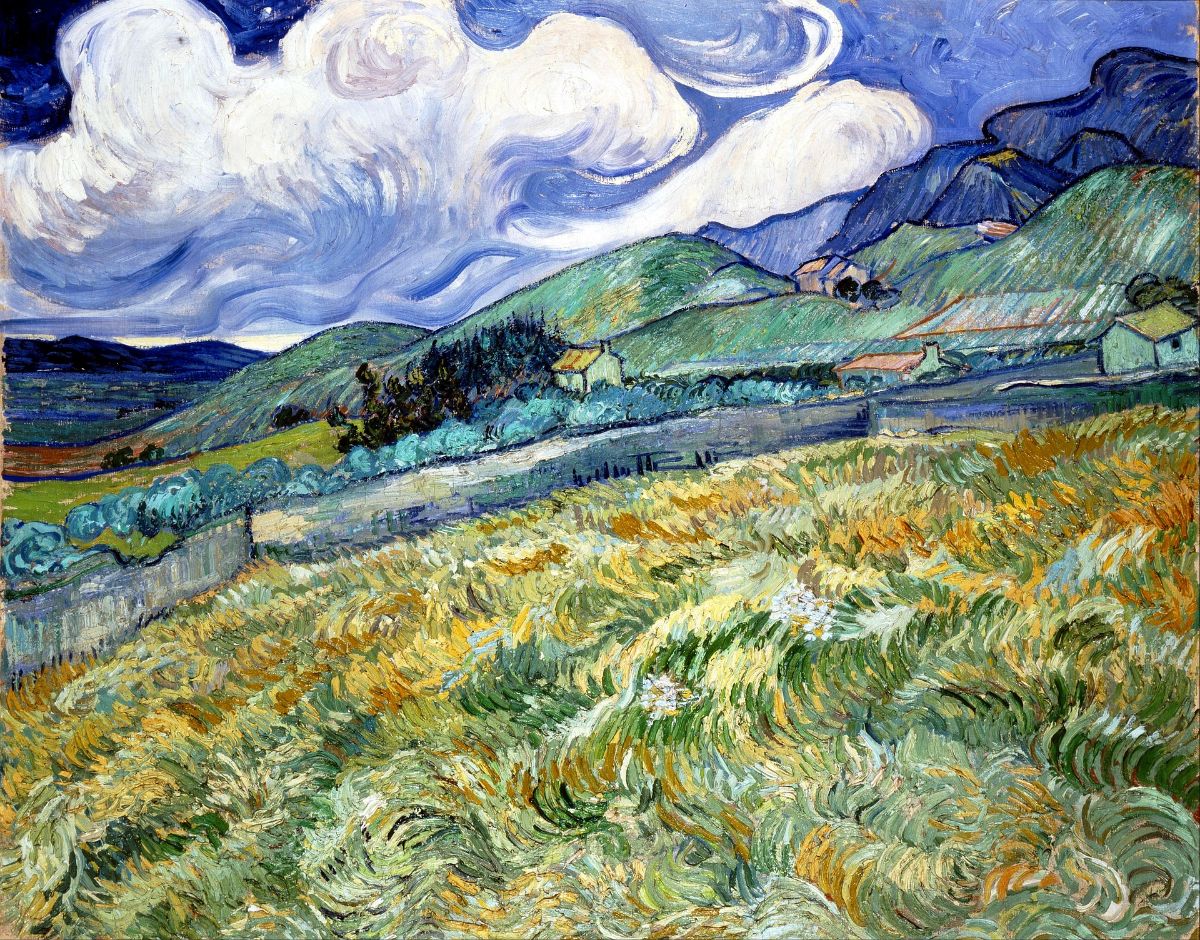
If you love art, some of the paintings you’ve seen surely contain plants. They are an accessory widely used by painters to give a background to the painting they are doing, but they also tend to have different meanings. For this reason, of all, there are even more plants used in paintings.
Plus, they don’t just paint plants; one can also find flowers, fruits, seeds, etc. We tell you which plants are most used in painting?
Botany and art united
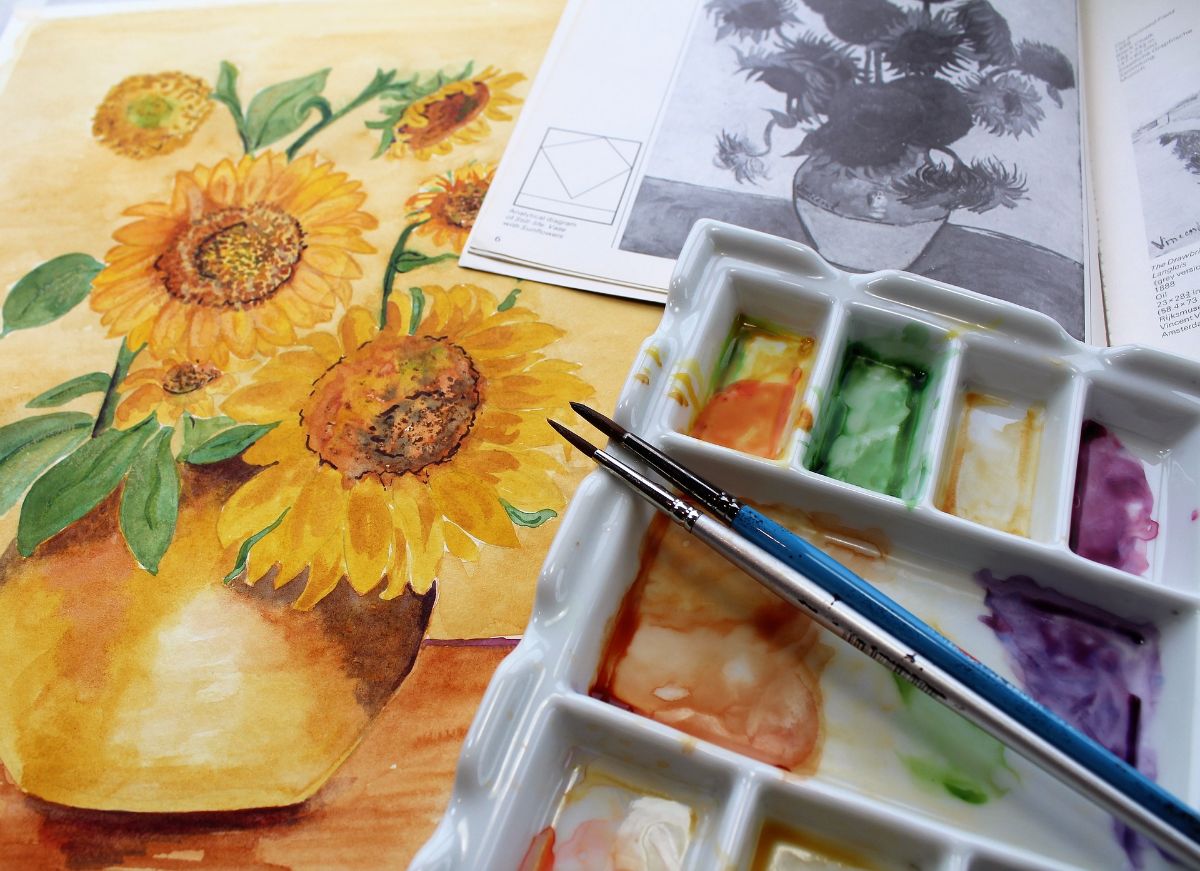
Maybe you don’t know it, or maybe you know it, but art and botany are very close in this case. There are several surveys carried out by botanists and art experts to examine one by one the paintings of painters in search of those plants, flowers, fruits or seeds that they possess and which bring a little deeper knowledge of these plants . For example, to find out what they looked like before evolving, or to find out more about plants that are already extinct, flowers that you don’t see on certain continents, or even abnormal fruits (this is the case of a white watermelon in the painting by Frans Snyders).
However, as we said before, it’s quite complicated because many tables, almost 90% of them, do not name any fruit, seed, plant or flower in their title, which means that the tables must be reviewed. by someone individually looking for a reference to this.
And why is it important? There are several reasons why art and botany should be on equal footing. One of them is the fact that you can see what these plants looked like years ago, because as you know many have adapted or changed from their origin, many have evolved not to die. But through the paintings you can appreciate those details that they had.
Another reason for importance is knowing rare aspects of fruits, plants or flowers. Again we refer you to the painting by Frans Snyders where half a watermelon appears separated from a group of slightly open watermelons, which stands out because its pulp is white sprinkled with black (which are the seeds). Considering the painter was one of the best and most detailed at anything he painted, there is no doubt that there really was fruit like this when it came to painting, but nowadays there is rare to find a white watermelon. Obviously, whether or not we trust what the painter has drawn depends above all on who he is and what he wanted to express with his work. For example, in the case of Picasso, it is very difficult to take him 100% with regard to the plants, flowers or fruits he painted.
The most used plants in pictures
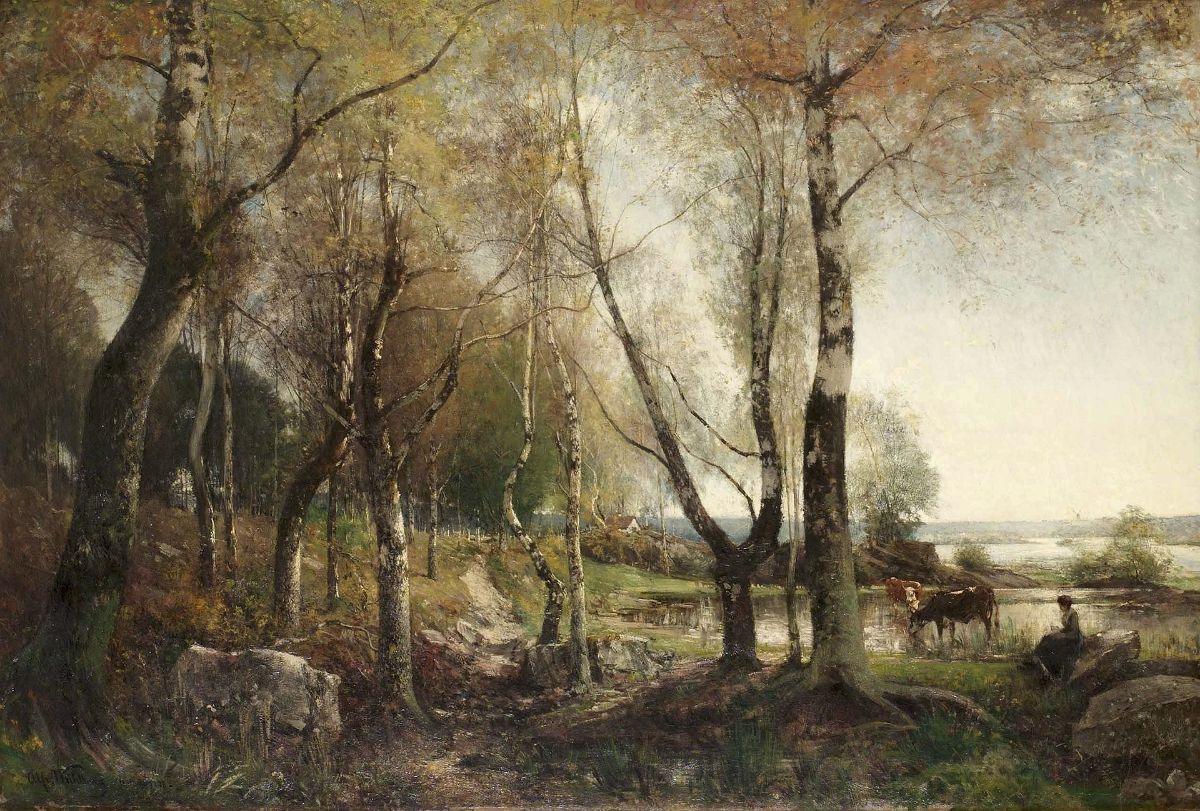
Focusing on the plants most used in the paintings, we could divide them into several groups, for example in terms of trees, flowers and plants.
trees in art
There are many trees in pictures, and very diverse species. Perhaps one of the most used is almond blossom. We find this, among other paintings, in an oil on canvas that Vincent van Gogh offered to his brother Theo and Jo, his wife, for the birth of their son, whom they named Vincent Willem in honor of the painter.
He was one of the painters who painted the most pictures related to botany, but not the only one.
Another of the painters who also noticed almond blossoms was Sorolla, who did a painting while in Assisi, Italy. Painters like Ángel Hernández, Rubén de Luis… are other names that ring a bell.
assorted trees
Cypresses, trunks, avenues, forests… The truth is that these landscapes have been widely represented in paintings, sometimes as real protagonists, but many others giving background to the painting.
Examples we have Gustav Klimt, Hockney, Monet, Solhberg, John Singer Sargent and many others.
And as for trees, we know that olive trees, cypresses and poplars were the most represented.
Domain
The very roots of trees have also been, more or less, one of the elements that some painters have wanted to reflect in their paintings. Or make them protagonists, as is the case with Vincent Van Gogh. This painter left in his repertoire of paintings the so-called “roots of trees”, which are considered to be the last he painted.
It wasn’t the first time he painted roots. It is known that there were other drawings that contained black roots and these were twisted, linking them to the struggle for life.
Concretely, in the painting to which we alluded, it is not finished, because the painter did not have time. In fact, we notice that the lower part is only drawn while the upper part seems completely finished.
Even Frida Kahlo herself has a painting that depicts a woman whose roots come out (in fact, it’s considered the most expensive in Latin American art).
Paloma Viladomat, Eddy Ochoa Guzmán… are other painters who have also focused on this part of the plants for their paintings.
Farming lands

Whether it be wheat fields, as in the case of Van Gogh, Armpurdán by Joan Vila Arimany, The Poppy Field by Monet, The Veteran in a New Field by Winslow Homer… And so we could quote more and more paintings that have been used, as well as the center of the painting, as well as a more decorative part, the cultivated fields. Especially with regard to wheat or, in the case of flowers, tulips, poppies…
flowers and plants
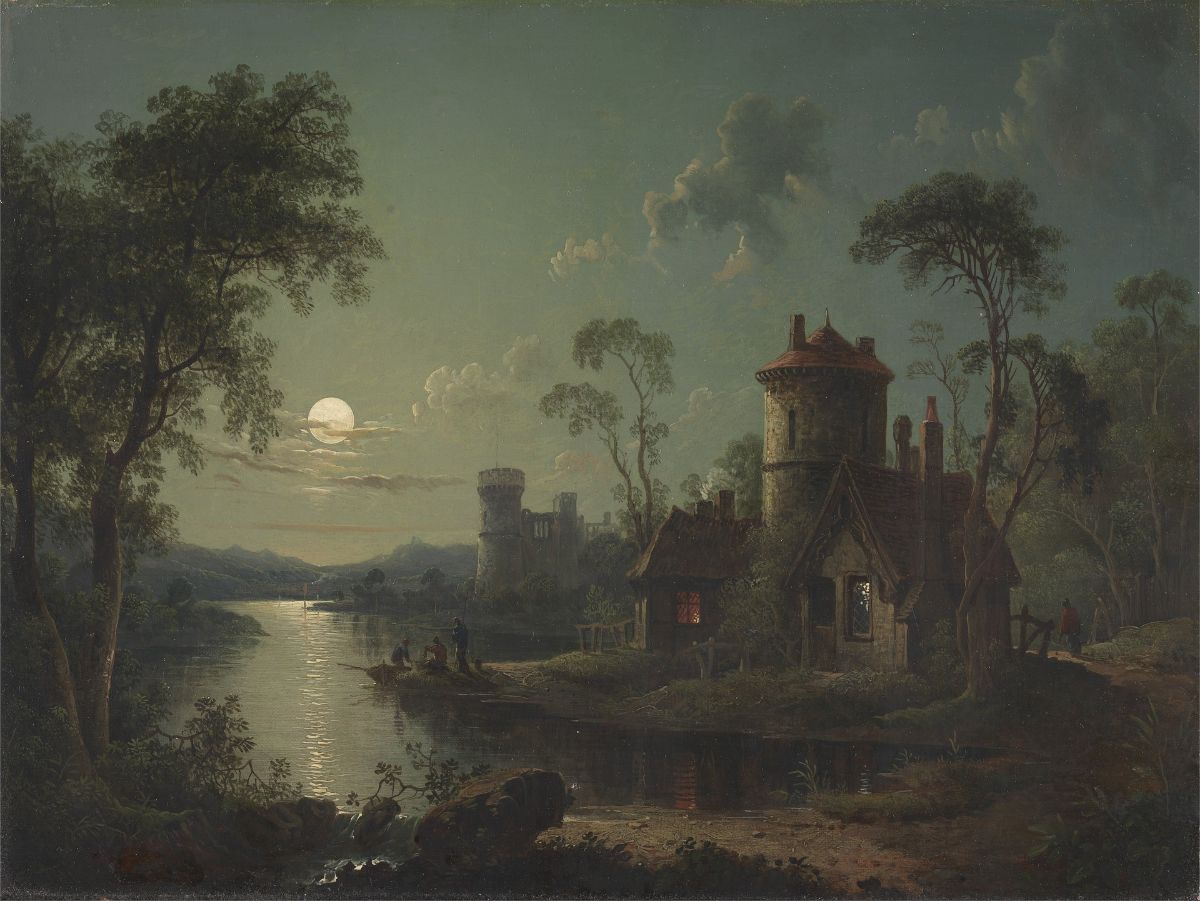
The truth is that quoting common plants and flowers in many tables is quite complicated. Each painter is a different world and he always captured what he saw, or what he imagined. However, roses, for example, are one of the plants most often found in paintings, along with carnations, bluebells…
In general, when painting plants, they usually do not have flowers, or if they do, they refer to the previous ones. In oriental paintings, however, the most common flowers are the hibiscus, cherry blossom, water lily, or lotus flower.
Hedges and wilder plants are another of the options that we find the most in the paintings.
Have you ever thought about art by bringing it closer to the plants most used in paintings?