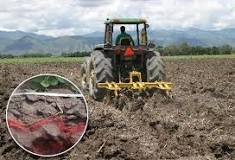
The work of breaking up the layers of the earth, or the subsolation is the action to perform.
What is the function of the subsoiler? Main function • Soil cracking breaking up the compacted layers without inverting the profile. They must work at least 10 cm below the layer to be broken. The soil is broken in a V from the bottom of the furrow to the surface.
What are the parts of the subsoiler?
subsoiler
- subsoiler. …
- Hooking system. …
- Wheel. …
- Chassis or sash. …
- arms or legs…
- Scissors or bars.
What is the Subsolar in agriculture? Remove the soil below the topsoil or till deep enough without turning the soil. It consists: With a bulldozer or with a tractor (with a lot of power) three rejones are passed (a part of the tractor) What They cut the plot back and forth.
When to pass the subsoiler? This is best done immediately after harvesting, either maize or after crops such as wheat or rape (in summer), when soils have low moisture content.
How big is a subsoiler? Their working widths vary from 120cm to 320cm and can be adjusted to get the right working width for your tractor and working area. The working depth of subsoilers It can be 70cm to 85cm.
What is subsolation? – Related issues
What are the types of plows?
The plow It is a widely used agricultural tool in various soil conditions.
- The plow it is probably the oldest tool or tool used in agriculture, also providing a long useful life for the farmer. …
- three differ types: mouldboard, disc and rotary.
More articles…
What features should I consider when selecting a subsoiler?
When buying a subsoiler must be take into account the complexity and power required for finish the job. In the same way there is to assess the ground where it will be used. Knowing this, if you are interested in knowing the price subsoilersget in touch with us and we will help you choose the most suitable one.
What is basement work?
The works of plowing The most common primaries in many parts of Mexico are subsoil and fallow. Subsoiling is the operation that consists of breaking up the soil without turning it over or changing its position up to 80 cm deep. it’s done with a plow basement or subsoil plough.
How is subsoiling done?
The basement or scarified This technique consists of passing a machine over the ground subsoiler 5-point scarifier; work at a depth of 35-40 cm, in addition to covering a width of 1.5-2.0 meters (working width of the equipment).
How are subsoilers classified?
The difference in depth of intervention makes it possible to establish two categories: subsoilers for very deep work and subsoilers for work at shallow depths.
How to improve compacted soil?
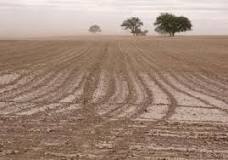
A totally biological method to improve the structure of a Usually I and increase its porosity by growing plants that cover a large area at a reduced cost. When they grow, their roots dig galleries which remain intact (if they are not plowed) until the next harvest.
How to improve soil aeration?

Wetting agents improve infiltration and water reaches deeper levels of the Usually I. They also allow microorganisms to burrow deeper. By digging, they improve the soil aeration and allow water to infiltrate lower, which promotes root development.
What are the disadvantages of the plow?

These are the main plow disadvantages:
- Damage to the existing microflora in the soil is caused. …
- Creation of the plowing crust. …
- Increased number of tillage steps. …
- Greater energy and economic consumption.
What is zero tillage?
It is understood by zero tillage, the planting that is done directly on the ground, without the need to remove it or eliminate the thatch that covers it. The important thing is to remove the weeds. Weed removal can be done before planting or after crop emergence.
What is a furrower?
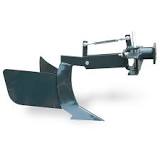
The furrower It is the specific tool for creating furrows in previously worked land, as well as for creating small irrigation canals, small drainage ditches and for supporting row crops.
What is the best plow?
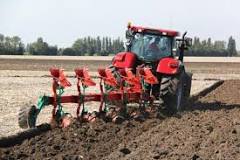
The plow The disc type is also useful for tillage, but unlike the mouldboard, the disc type is better in hard and rocky soils or soils with large remains of roots, because it works according to its weight.
How does plowing affect the soil?
The tillage of Usually I with traditional tools (plow disc or moldboard), is an agricultural practice that research shows as a possible cause of erosion, compaction, moisture loss and increased production costs when used excessively.
Why is it important to till the soil?
Agriculture is a sequence of activities which, over time, should lead to the formation of a Usually I optimal, so of allow the roots to explore the largest volume of this and absorb the available nutrients.
How long does it take to plow one hectare?
Barely a quarter of an hour was enough for the tractor complete the work of hectare (more precisely 14 minutes) thanks to an average working speed of 9.3 km/h.
What is the difference between plow and harrow?
The flirt It is an agricultural instrument that consists of a kind of grid with spikes at the bottom that serves to level the land after plowing. harrow. The plow It is a tillage tool used in agriculture to open furrows and remove soil before sowing seeds.
What are the types of tillage?
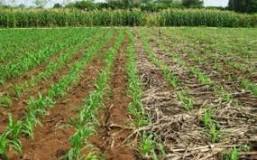
Types of tillage
- Plowing traditional or conventional; operation with cutting of the first 15 and inversion of the Usually I.
- Plowing minimal or eco-friendly; less investment, erosion is avoided, being carried out before planting and with less passage of machinery.
More articles…
What is the function of disc plow?
The disk It is connected by four or five screws, which allows replacement in case of breakage or wear. about each disk a cleaner, or scraper, is placed, which is responsible for loosening the strip of earth that rises through the disk.
What is primary tillage?
In a broader sense, the primary tillage is it What breaking up soil for the first time before establishing a crop. The action to be taken is therefore a heavy task. What consumes a lot of pulling power. It is done with moldboard ploughs, disc ploughs, chisels and subsoilers.
What is fallow in agriculture?
This concept assumes rest between sowing and cultivation, an agricultural process to allow the qualities of the soil not to wear out. The rest periods are usually every two or three years, in this way the soil recovers its nutrients and in the next planting it will bear the best fruit.
What is the function of disc plow?
The disk It is connected by four or five screws, which allows replacement in case of breakage or wear. about each disk a cleaner, or scraper, is placed, which is responsible for loosening the strip of earth that rises through the disk.
What is fallow in agriculture?
This concept assumes rest between sowing and cultivation, an agricultural process to allow the qualities of the soil not to wear out. The rest periods are usually every two or three years, in this way the soil recovers its nutrients and in the next planting it will bear the best fruit.
What is a furrower?
The furrower It is the specific tool for creating furrows in previously worked land, as well as for creating small irrigation canals, small drainage ditches and for supporting row crops.