Fatsia japonica is a plant grown both indoors and outdoors for its beautiful foliage. The plant grows quite quickly. If your Fascia japonica turns yellow, a number of things can go wrong.
Yellowing Fatsia japonica leaves are mostly caused by alkaline soil. Alkaline soil inhibits iron absorption, resulting in iron deficiency. Another cause of yellowing leaves on Fatsia japonica is flooding.
Overwatering can also cause the plant to turn yellow if left submerged for long periods of time. Fatsia japonica leaves can also turn yellow if exposed to too much sun.
The leaves turn yellow from lack of iron. Scale insects, aphids, scale insects or spider mites can cause yellow spots on Fatsia japonica leaves.
Read on to learn more about the causes and learn how to fix yellow leaves on Fatsia japonica!
Why are your Fatsia Japonica leaves turning yellow?
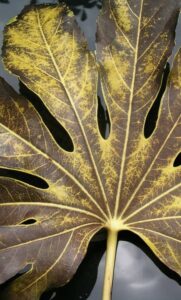 Fatsia japonica is also known as glossy leaf paper plant or false castor oil plant. Fatsia is adaptable and can be grown in a variety of environments, from shady garden views to warm, sunny outdoor spaces.
Fatsia prefers a room temperature of 60-75 degrees. It is also effective as a decorative plant, preferably in a friendly, well-ventilated place without a heating system.
The plant can be grown both indoors and outdoors. Regular watering is necessary to keep the soil moist at all times.
Also, keep the plant well watered as it becomes established, then water only in dry conditions.
Potted plants should be checked regularly as they can dry out quickly. Fatsia grows well when planted in the spring in rich, moist but well-drained soil amended with compost or well-rotted fertilizer.
Fertilize plants growing in the ground after danger of frost has passed. Apply tree and shrub fertilizer annually. At the end of summer, you can propagate the plant from semi-ripe cuttings.
In spring and summer, Fatsia can grow very quickly. You can prune it to keep it at a certain size. If you don’t, it can grow out of your tank within six months to a year.
look at it and replant the plant as needed to keep it nourished. Fatsia is not a poisonous plant, but its sap can cause dermatitis.
Now that you know more about your Fatsias preferences, let’s take a look at why your plant is yellowing.
1) alkaline soil
When he floor is too alkaline, the leaves of Fatsia japonica turn yellow. This is not to say that Fatsia only prefers acidic soils. Fatsia japonica thrives in neutral soil.
Your plant cannot absorb iron if the soil is too alkaline. If the leaves are yellow but you can still see the veins, the plant lacks iron. If the plant is yellow in general, something is wrong with the soil.
how to fix it
Use a pH meter to test the soil. There are methods to restore the alkalinity of the soil. You can improve your alkaline soil by adding sequestered iron. A layer of peat mulch around your Fatsia japonica also helps.
2) underwater
Underwater is probably the most common cause of leaf yellowing in Fatsia japonica. The leaves of plants that are not watered turn yellow and crust over.
Fatsia japonica likes moist but not soggy soil. Plants that are under water cannot absorb enough nutrients and therefore turn yellow.
how to fix it
Regularly check the soil of your potted Fatsia and keep it moist at all times. Keep a soil moisture meter handy and check the humidity if in doubt.
3) Too much sun
Moving your Fatsia japonica to a bright, sunny spot can also cause the leaves to turn yellow. Fatsia thrives in partial shade.
The plant can grow in full sun, but must gradually get used to the conditions. Sunburn is caused by the sudden movement of the plant.
how to fix it
If your Fatsia japonica has been growing indoors for some time, gradually acclimatize it to the climatic conditions.
You may also be interested in: Top 10 Fatsia Japonica Problems and How to Fix Them
4) Low humidity
Low humidity can also cause it to turn yellow and then brown. Foliage can turn brown and pinch if surrounding saturation is too low or heat too high, especially in full sun.
how to fix it
Create a humidity tray to provide a moist and stable environment for your plant. Water the foliage occasionally to keep the leaves hydrated and dust levels low.
5) Too much sun
Yellowed or brown leaves or misshapen stunted growth are vital signs of abundance. light on a Fatsia in a sunny spot.
how to fix it
The ideal location is a few feet inside a window or with overhead lighting. However, it’s best to avoid light placement situations, where you can’t even read a newspaper.
This is due to the increased risk of overwatering and root rot.
6) Burn the fertilizer
 When the plant experiences a fertilizer burn, the leaves of Fatsia japonica turn yellow with brown edges. Fertilizer burn occurs when the floor is overfertilized.
Overfeeding leads to a buildup of salt in the soil. This salt buildup prevents Fatsia Japonica from absorbing essential minerals.
how to fix it
Contact local universities and request soil tests through their economics department. Water thoroughly to remove excess salt if there is excess salt in the soil.
Always water your Fatsia japonica well before and after feeding it. Wait a month to fertilize your Fatsia japonica to see if it comes back to life. Don’t over-fertilize the soil and use organic mulch only when the plant needs it.
7) Pest control
The most common reason for yellow spots on Fatsia japonica is calcification. However, aphids, scale insects and spider mites can also damage your Fatsia japonica, eventually causing the leaves to turn yellow.
Balance
Lime attack causes spots on the leaves of Fatsia japonica. The scales are attached to the underside of the leaves. Look at the underside of the leaves as soon as you see yellow spots on them.
The scales like to suck the plant sap from the leaves of Fatsia japonica. Mealybugs feed on plant sap and expel honeydew.
Honeydew attracts various fungi, which leads to the formation of sooty mold. Sooty mold is a black fungal growth on the plant that is unsightly.
aphids
aphids They are common pests of indoor and outdoor plants. Fatsia japonica leaves are distorted by an infestation of aphids.
Affected leaves curl up and provide a safe haven for these troublesome pests. Aphids suck plant sap from leaves, eventually turning them yellow.
In addition, aphids produce nectar which attracts sooty mold. Check the curled leaves for pests and treat the plant as soon as you notice honeydew or sooty mold.
mealybugs
Mealybugs are a type of scale insect that excretes masses of white, fluffy matter on the plant body. Cochineal extracts plant sap from the leaves.
They usually appear on the underside of the leaves and close the flowers. Don’t let the infestation get out of control.
red spider
Spider mites are small insects that webcast on the host plant. If you notice these webcasts, you can confirm their presence in Fatsia japonica.
Additionally, the leaves may turn yellow if infested with these mites.
how to fix it
Here are some methods to eliminate these insects from your Fatsia japonica. To dislodge the insects, vigorously spray water on the affected branches of the plant.
This method works if there are only a few insects on the plant. As soon as you see them, remove them with your hands. It may seem like a lot of work, but it’s worth it.
8) Natural loss
Old Fatsia leaves turn dry and yellow and fall off on their own during the summer season. It is a natural process and nothing can be done to prevent it. Don’t worry, the new leaves will grow back quickly.
If the new growth is also yellow, you may want to consider the reasons above, be careful about the watering schedule you follow, and place the plant in an area with sufficient sunlight.
final thoughts
 Fatsia japonica is a beautiful plant that turns yellow due to alkaline soil, which inhibits iron absorption. Insufficient watering of the plant can also lead to yellowing of the leaves.
Overwatering and staying underwater for long periods of time is also detrimental to the plant.
Scale insects, aphids, scale insects or spider mites can cause yellow spots on Fatsia japonica leaves.
Using proper methods of watering the plant, placing it in an adequate but not overwhelming amount of light, and preventing pests by using neem oil are ways to prevent yellowing.
Yellowing of old leaves followed by drop is natural and inevitable.
About the Author:
sad envy
Saad is an avid gardener and a great lover of plants, animals, photography and people. He currently focuses on indoor plant photography and capturing beautiful landscapes. Write and rewrite feature articles on nature and science.