
If you purchase an item through links on this page, we may earn a commission. Our editorial content is not influenced by commissions. Read full disclosure.
It’s not a tree, nor a philodendron, but whatever you call them, tree philodendrons are extremely cool to grow in your space. These distinctive plants have massive, fenestrated leaves that you can’t miss.
Due to its size, it has become a popular choice for people looking to add a show-stopping plant to their collection. It is native to South America in modern-day Brazil, Bolivia, Paraguay, and Argentina and can be grown outdoors in USDA hardiness zones 10-13.
Most people grow them indoors as large, showy houseplants. Here’s how:
Philodendron Houseplant Information
Also known as panda plant, horse-head philodendron, split-leaf philodendron, and saddle-leaf, it is botanically classified as Thaumatophyllum bipinnatifidumpreviously Philodendron bipinnatifidum. Although this plant was once classified as a philodendron, it is not.
In their native habitat, they can grow up to 15 feet tall and live for 20 years. Indoors, it can reach 8 to 10 feet tall.
Under the right conditions, they can bloom with large purple, red or white flowers.
The leaves are large and dark green and can reach 18 inches in diameter, with deep perforations called fenestration. They are sometimes confused with monstera plants, and although they are related, they are different plants with different needs.

As they age, they shed their lower leaves and begin to resemble a tree with a thick, woody trunk.
Light requirements
Each houseplant requires different lighting conditions to grow healthily and happily. For T. bipinnatifidum plants, you will need bright, indirect light.
Ideally, if you have space somewhere in front of a south or west-facing window, place your plant there. Make sure the plant will receive at least 6 hours of indirect light per day.
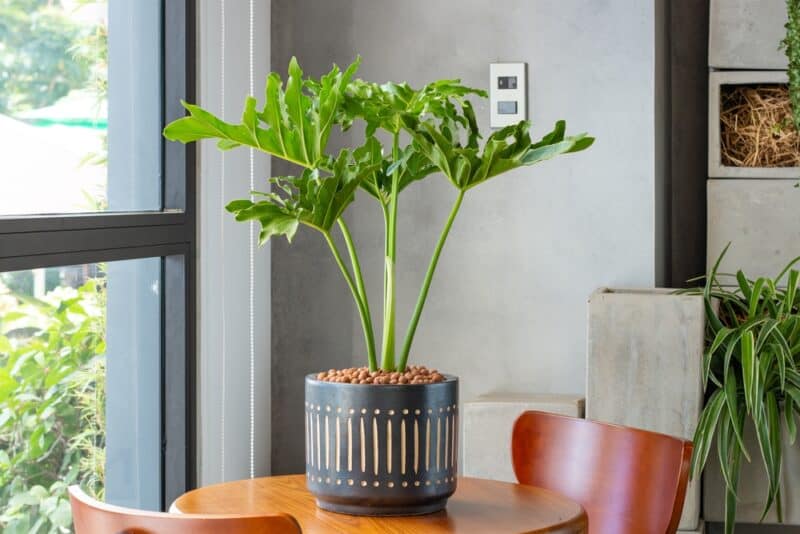
However, it is not a good idea to place the houseplant too close to the window, otherwise it could be scorched and damaged by too much direct sunlight. Sheer curtains will reduce the amount of direct sunlight while giving the plant plenty of light.
Feel free to place the plant directly in a north-facing window or just use artificial lights if you don’t have the right spot.
The plant will move its leaves towards the light as it grows, so be sure to rotate regularly to promote an even growth habit.
Temperature and humidity
Along with lighting conditions, you will also need to consider temperature and humidity levels. The best temperature is 60-80°F. A little outside of this range is fine, but don’t go too far outside.
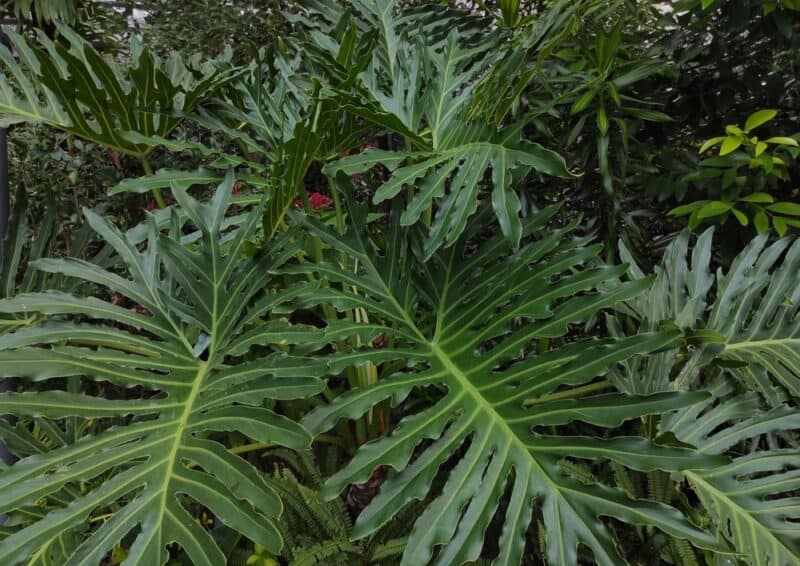
Although T. bipinnatifidum plants appreciate moderate heat, they are sensitive to changes in their climate. Avoid drafts, which will cause the leaves to drop. Do not place the plant near a heater or radiator or AC vent.
When it comes to humidity, this houseplant thrives when the air is pleasant and humid. You want to aim for between 70-80% humidity. If you have trouble getting high humidity levels, place the pot on a pebble tray, group it with other plants, or use a humidifier.
Soil requirements
Choose rich, well-drained soil to grow your philodendron tree. Avoid acidic or salty soils. Most commercial potting soils designed for average houseplants will do just fine. Soil for cactus or orchids is too loose and sandy, so don’t use it.
You can also make your own mix. To do this, mix equal parts of well-rotted compost, perlite or rice hulls and coconut fiber in a pot.
Take care of your plant
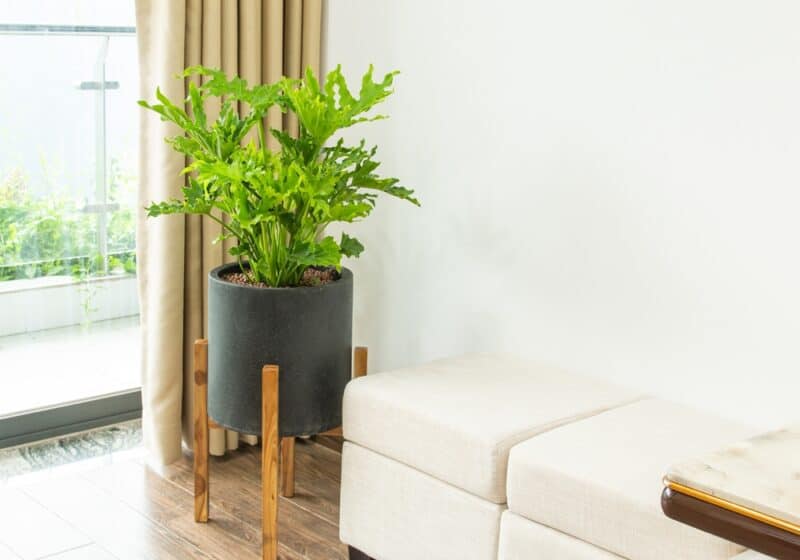
Of course, you will need to care for your plant once it has been potted. Do not overwater your T. bipinnatifidumbut it will need constant humidity.
In spring and summer, you will probably need to water your plant more often because there is usually more heat and sun during this time, which dries out the soil. In addition, summer is the period of active growth of the plant.
As fall approaches, you can reduce watering because your philodendron tree uses less water during fall and winter when it is semi-dormant and not growing as actively.
The best way to tell if a plant needs watering is to check the soil. If you put your fingers a few inches into the soil and it’s dry, you need to water your plant. Always water at ground level, not on the leaves. You can also melt water.
If you’re looking for an effective watering method for your philodendron tree, bottom watering is a great option. This is when you place your plant in a container of water and let it absorb as much moisture as possible.
As long as you allow the plant to completely drain after absorbing the moisture, it will promote healthy root development and prevent moisture-caused diseases on the foliage.
Not only is the watering method important, but the type of water is equally important when growing your houseplant. This plant does not like salt or minerals. You may want to use rainwater or bottled water if you have municipal water that is high in minerals.
Fertilizer
Fertilizer is also a good addition to your plant’s maintenance routine, especially in spring and summer. You should use a liquid organic fertilizer formulated for houseplants when feeding your plant. As tree philodendrons do not tolerate mineral buildup in the soil, natural fertilizer is best.
Mineral buildup can be caused by using too much fertilizer, so be sure to check the label and follow directions carefully.
Repotting
After your philodendron tree has grown for a few years, it will need fresh soil. Repot this plant once after the first year and every two years thereafter. You may also need to upgrade the pot, but not always.
If you’re starting to notice the roots coming through the drainage holes, it might be time to upgrade the pot. You can also check by examining the roots when you replace the soil. If the plant is root bound, increase the size.
Remember that this plant likes to be a little rooted, but not too much. Choose a pot slightly larger than the root ball.
Cut
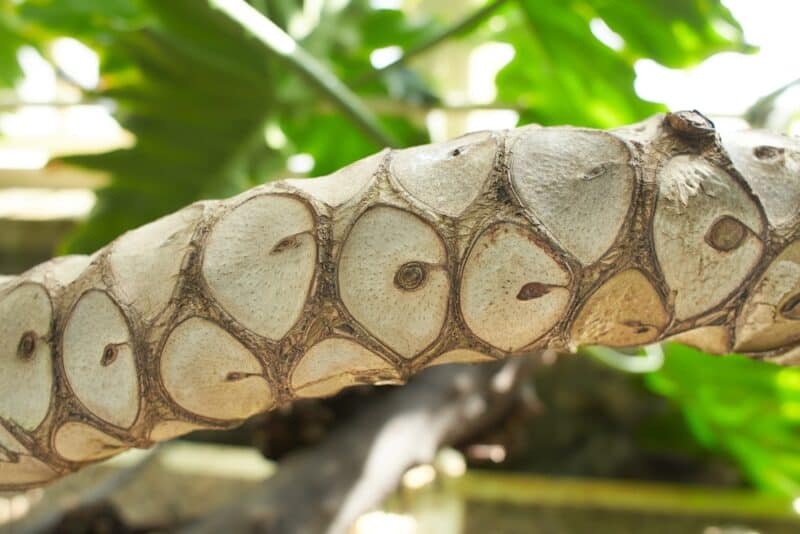
As already mentioned, this plant can get quite tall, so you may need to prune it from time to time to constrain it. You will need a pair of gardening gloves as the plants have poisonous sap. Also be careful not to rub your eyes after handling the leaves.
Although this plant is perfectly safe to keep in your home as long as you don’t eat it, the sap is mildly toxic to people and pets. You might get a rash or inflammation if the sap touches your skin.
For this reason, you must wear a pair of gloves when handling this plant. You can prune your houseplant in spring or summer with gloves and scissors. Simply cut off the leaves at the bottom of the stem and cut off the aerial roots if necessary.
You should also keep the plants away from pets or infants who may try to nibble on the plants.
Common pests and diseases
Fortunately, there are not too many pests and diseases that infect T. bipinnatifidum plants. For pests, you should look for spider mites, scale insects, scale insects, and aphids. There are a few things you can do to get rid of each of these pests.
Root rot is the only common disease to be concerned about. Root rot happens when you water too much and smother the roots. Just one time of overwatering won’t matter, but do it over and over again, or if the water can’t drain, the roots will turn brown and mushy and die.
Do not overwater!
Was this article helpful?
Yes No ×
We appreciate your helpful feedback!
Your response will be used to improve our content. The more feedback you give us, the better our pages will be.
Facebook pinterest