

Walnut is a vigorous tree over 25 meters tall with a wide crown and a trunk diameter of up to 3-4 meters. There are many varieties of walnut trees, and although many are resistant to pests, one of the most damaging diseases is anthracnose. You have to know how to treat walnut anthracnose to reduce the impact on the tree.
In this article we will tell you what are the different steps to learn how to identify walnut anthracnose, what are its characteristics and how to fight it.
Characteristics of walnut
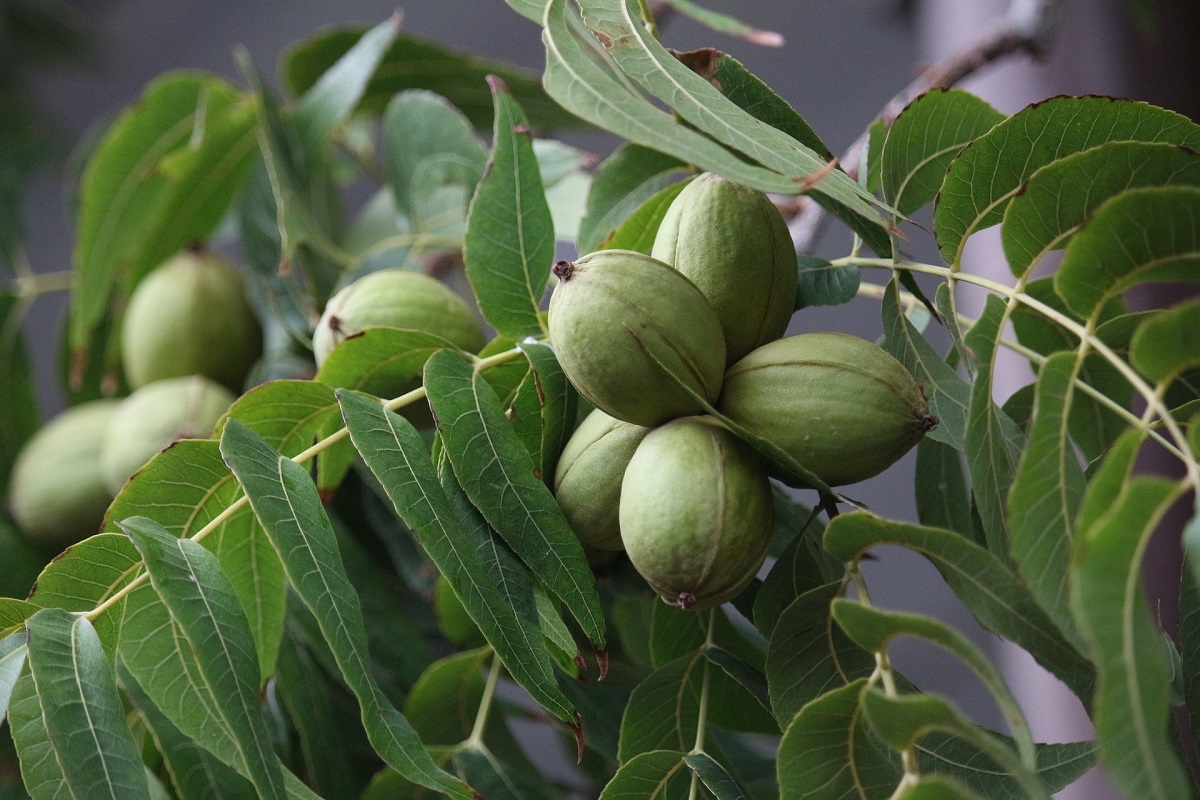
The walnut tree is deciduous, which means that it loses most of its leaves at certain times of the year. It has a wingspan of up to 30 meters in height and a massive trunk up to 2 meters in diameter. The trunk is short and white, sometimes gray. Powerful branches grow from it, forming a large voluminous round crown.
Walnut leaves they are large, about 25 cm long, supported by petioles about 5-8 cm long. These leaves are dark green in color and alternate in abundance on the branches. The flowers are also light green. The males are weeping willows, the females solitary ponds.
The fruits that we commonly call nuts will arise from the female flowers, although botanically they are not, but rather drupes, with an endocarp formed by a stony and wavy component inside which there is an edible and much appreciated seed.
What is walnut anthracnose

Walnut anthracnose (Gnomonia leptostyla) is a fungal disease caused by fungi of the genera Colletotrichum, Gloesporium and Coniothyrium. The disease occurs on roots, leaves and nuts when there is excess moisture and low temperatures.. All varieties of nuts are susceptible to this disease, but its severity generally depends on the stage of emergence.
Therefore, the youngest walnut plants are usually the most affected by anthracnose. It is important for farmers to identify walnut anthracnose and the type of fungus that is causing it. Good information and knowledge about the disease can help restore nut crops. A severe infestation of anthracnose can result in total crop loss.
What are the symptoms?
Walnut anthracnose causes intense defoliation which begins to weaken the whole plant in a very profound way. Affected leaves develop numerous small, round brown spots characterized by a whitish halo below, which can distinguish them from bacterial diseases.
In addition, in walnut leaves that fall to the ground in winter, perithecia (ascocarp structures) with asci and ascospores are formed. In fruits, anthracnose causes deformations, which affect the seeds, and spots are observed which group together and enlarge. During periods of vegetative stoppage of walnut trees, it also suffers from anthracnose on its lignified branches, which appear as if the bark is scaly and has a gray tint.
Walnut anthracnose is associated with temperatures close to 20°C and very high relative humidity.. One of the strangest symptoms of walnut anthracnose is the spots produced by the fungus that cannot penetrate the leaf veins, especially if they are large.
How to Control Walnut Anthracnose
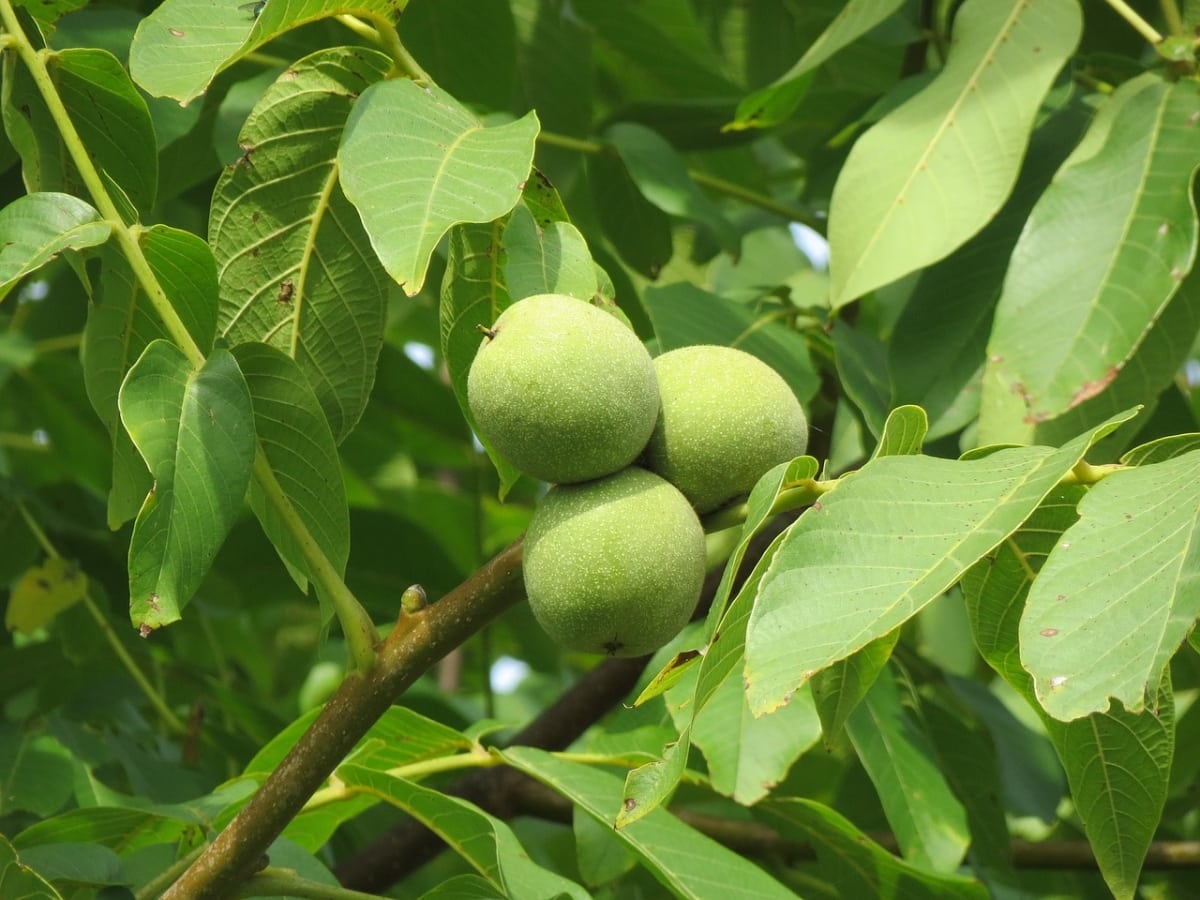
Walnut anthracnose is a very serious problem for farmers as it can affect the entire plant and lead to significant economic losses. When the fruits are stained with anthracnose, they cannot be sold. If the plant gets carried away by the disease, it will simply completely destroy the crop. This is why it is important to take steps to control and combat anthracnose from the time of planting, as the plants develop and grow.
The method of treatment and control of walnut anthracnose goes through preventive cultural techniques and finally through appropriate chemical measures against the disease.
Walnut Anthracnose Treatments
Treatments for anthrax control are products with copper as the active ingredient:
- copper hydroxide
- copper oxychloride
- bordeaux broth
Experts recommend treating some type of moisturizer to keep the product on the sheets for at least 48 hours. During treatment, if it suddenly rains, it is necessary to start from the beginning and repeat the procedure as soon as possible.
After the second copper treatment, it is recommended to add fungal products to improve the health of the plantation. The treatment must be carried out in three stages according to the phenology of the species:
- The first to overflow
- The second when the female flowers are in bloom
- The third is during fruit set
If from the beginning of the treatment it is noted that it is a rainy year, it must be retreated every 15 days. It is also recommended to burn dead leaves and fruit from trees, as the fungus remains active during the winter. During the growth of the plant, in case the nuts are damaged by hail, it is important to use a systemic fungicide such as difenoconazole.
How to prevent it
Walnut anthracnose can be prevented by phytosanitary and cultural measures, in which the following points can be highlighted:
- Sow varieties less susceptible to disease attacks and their seeds are the product of healthy and vigorous specimens.
- Choose materials certified free of hazardous substances for planting or planting.
- Rotate crops and use appropriate crops to avoid the presence of anthracnose.
- Use a balanced fertilization method, soil amendments, watering and proper drainage.
- Perform a deep and regular pruning to eliminate the affected parts of the walnut tree and combat any source of disease.
- Prune walnut trees and remove weeds to prevent the development and spread of the fungus.
- Maintaining the correct temperature and crop irrigation systems, avoiding excess water and high humidity are essential elements for the appearance of anthracnose.
Hopefully with this information you can learn more about walnut anthracnose and its characteristics.