

The mint plant is one of the best known. But, Have you ever seen the mint flower? Do you know when it blooms and what are its characteristics?
Next, we want to tell you about it and also about the care it will need so that you can see it flourish. Go for it?
How is the mint plant
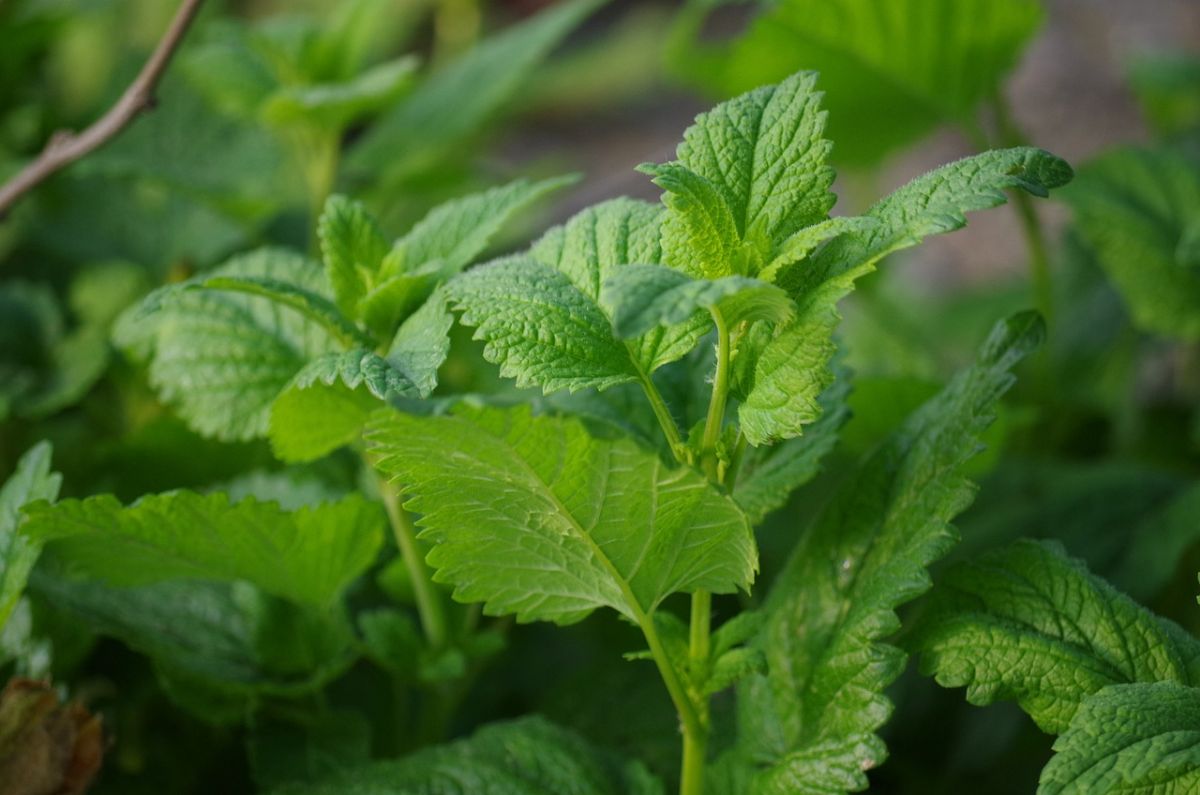
Peppermint, whose scientific name is Mentha spicata, is a widely used medicinal plant around the world. It is aromatic and does not grow very large, although it can reach a meter in height. But the normal thing is that it is 30 to 90 centimeters in height. It has a stem that is scattered in many branches, these with lanceolate, serrated, hairy (on the underside of these) and glabrous leaves. They are a bright green color and upon touching it, or even getting close to smelling it, you will notice its fragrance.
As for the uses that are usually given to it, they are aromatic, medicinal, culinary… There are many dishes that can be seasoned with mint so that they acquire a special flavorand at the medicinal level, among the properties it has are to be diuretic, anti-inflammatory, antiseptic, hypostenising…
How is the mint flower
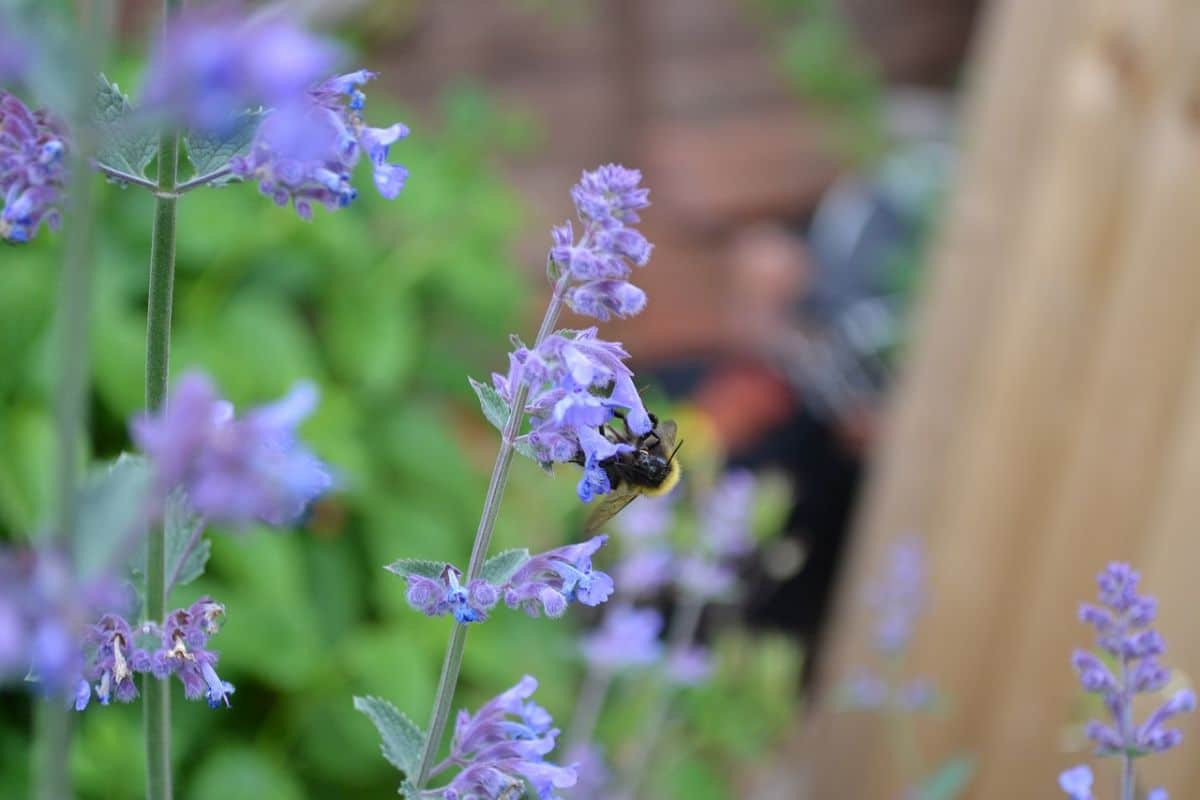
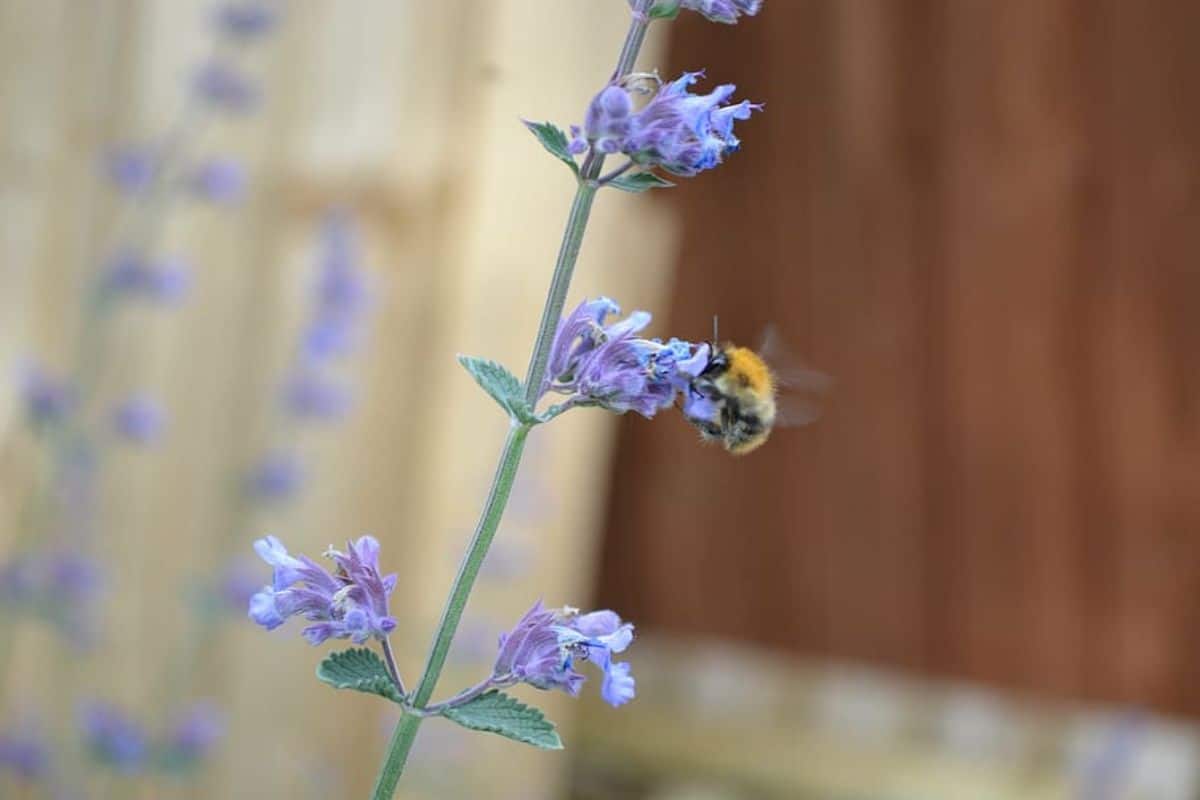
If you are lucky, you may see the mint flower. These are born from a long spike that grows much more than the plant itself (to stand out from it).. These are only concentrated at the end of this spike and are very small in size, shaped like a calyx composed of five sepals and a corolla. It does not have just one color, and that is you can find the flowers to be white or pink. They are no more than 3mm long.
When does peppermint bloom?
If you already want to see the mint flower, or rather the flowers, because the cob will throw a lot of them, You should know that you will have to wait for the summer to do so.
It only blooms once a year and it always will in the warmer months. But, to achieve this, you must have all the care you need met.
Peppermint treatment
Having a mint plant at home is not difficult since it is a plant very easy to find in garden centers, nurseries… But yes It is convenient that you know what care, not only to see the flower, but also to make it healthy. Here we leave you the most important.
location and temperature
Mint is a plant that can adapt to partial shade as well as full shade. But if we had to choose just one, then we’d say partial shade is best, with lots of light, but no direct sun (this will scorch the leaves and cause so-called stress water (a period of extreme drought) that will make you die easily.
As for the temperatures, it is best to be between 14 and 20ºC. It can tolerate much more heat, as well as cold, but not if there are multi-day hauls. If this is your case, you will need to protect it during this period.
Substrate
Peppermint is not demanding with the soil you use, whether in a pot or in the garden itself (although this is not the most common). What you need to keep in mind is that the soil must have plenty of drainage, as it does not like water accumulations. For that, use perlite or bark to aerate it well.
Irrigation
You should know that mint needs moderate watering. The earth should always be moist, especially in summer if there are high temperatures.
We can’t give you an exact guide because it will depend on whether it’s in shade, partial shade, weather… But to give you an idea, it is possible that in winter you only water it once a week, while in summer it could be increased to two or three.
Subscriber
Once or twice a month, you can fertilize it with liquid fertilizer mixed with irrigation water. However, if you plan to use the plant on a culinary level, we do not recommend it.
It is preferable in this case to provide compost, manure, etc. rather than a chemical. This is applied in this case at the beginning of spring, only once a year. Try to use a dose appropriate to the size of the plant and as crushed as possible.
Size
In general, mint should not be pruned beyond what you will be using for medicinal or culinary purposes, as well as for making cuttings.
But what you have to keep in mind is that it is a very invasive plant, that is, it can destroy other plants in the garden. Therefore, it must be controlled and in many cases not planted in the garden.
Bloom
As we told you, flowering occurs in summer. At this time you will see that between the branches a spike begins to grow. Make sure it can grow easily and that there are no branches that prevent it from moving forward with difficulty (otherwise it could have problems).
Of course, in the shade it is much more difficult to get it to give you flowers. One solution is therefore to move it to let the light through and activate the cycle to see your flowers.
These will last a few days and then fade.
Plagues and diseases
Peppermint has pests that you will need to keep at bay so they don’t affect the health of your plant. Among them are the aphid, the white fly or caterpillars and snails.
As for diseases, the most dangerous and the one that affects it the most is rust.
Multiplication
Finally, concerning the reproduction of mint, it must always be pruned at the beginning of summer. You need to choose shoots that look long and healthy.
The best way for them to take root is to put them in water since they will take root in a few days and you can transplant them to the ground in no time.
As you can see, the mint flower is worth seeing. But to achieve this, you must not only know when it flowers, but also give it the necessary care so that it can do so. Have you ever flowered at home? We read you!