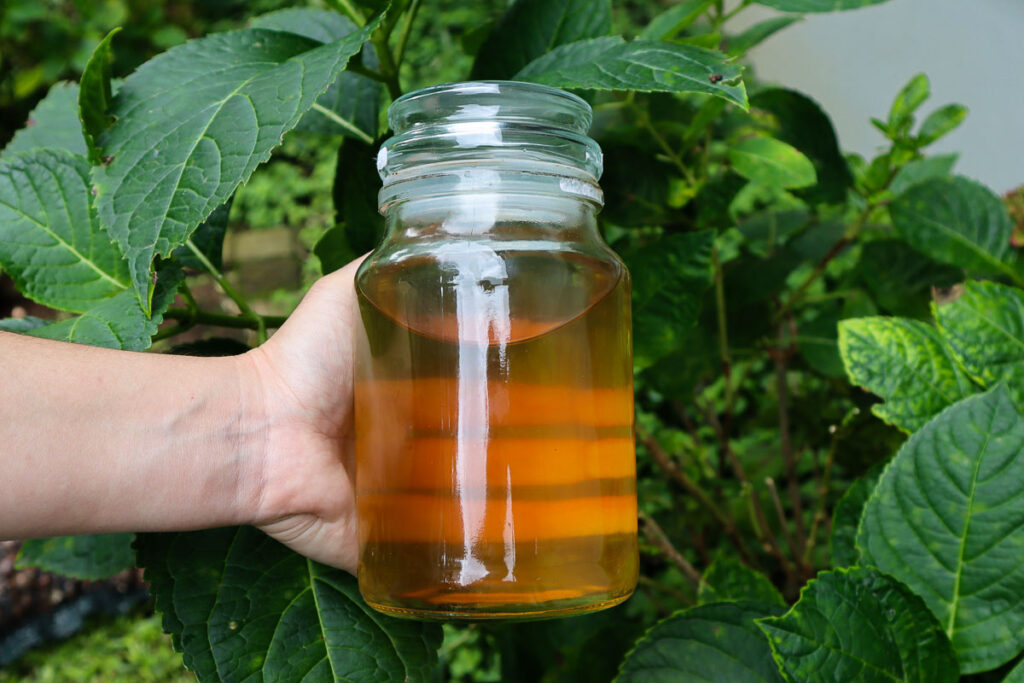
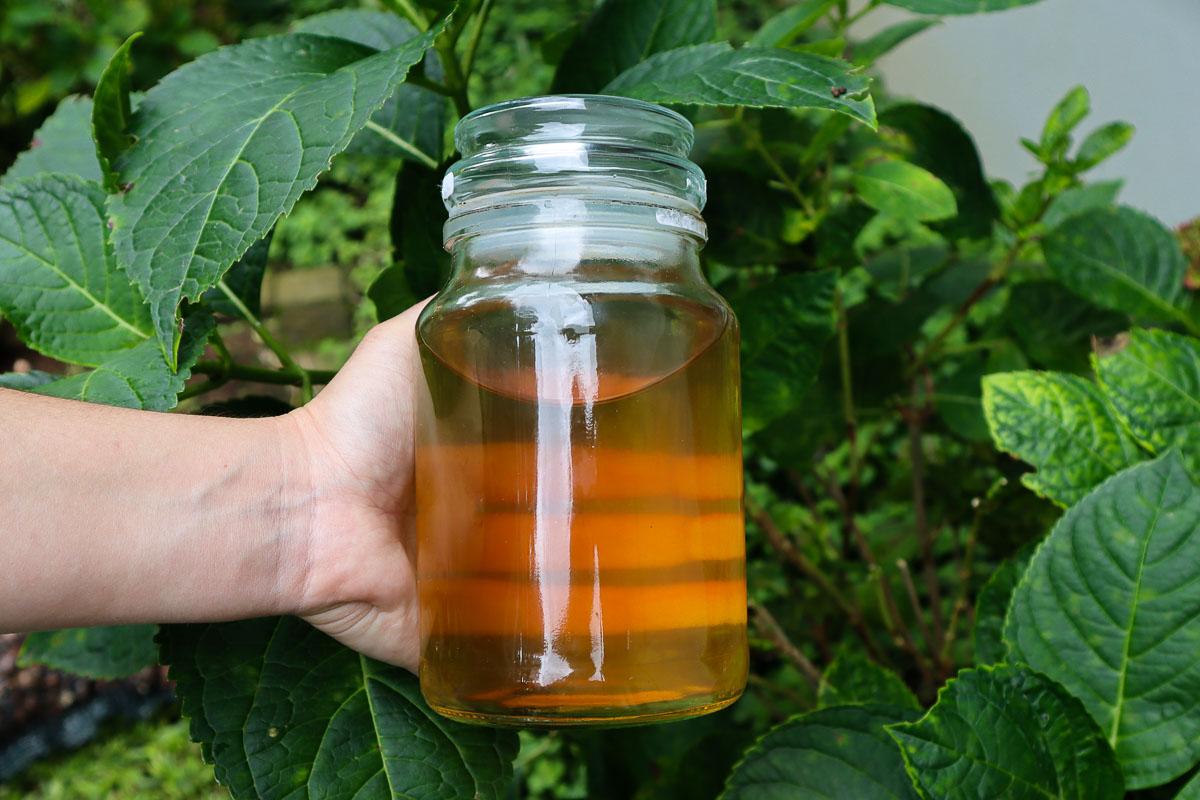
Hydrangeas are grown for their large, succulent leaves, their usefulness for growing in shady areas, and most importantly, their large, spherical flowers.
Getting bigger and better flowers is the ultimate bonus, easily achievable with the right conditions and a little fertilizer.
In general, hydrangeas grow best when fed twice a year in the spring and early fall with a slow-release fertilizer. This is for general upkeep, not necessarily for bigger blooms.
Supplemental feeding is needed in mid to late spring for summer shoots to be at their best. Feeding frequency is determined by the choice of fertilizer you use.
fertilizer options
chemical fertilizers vs. Organic fertilizers
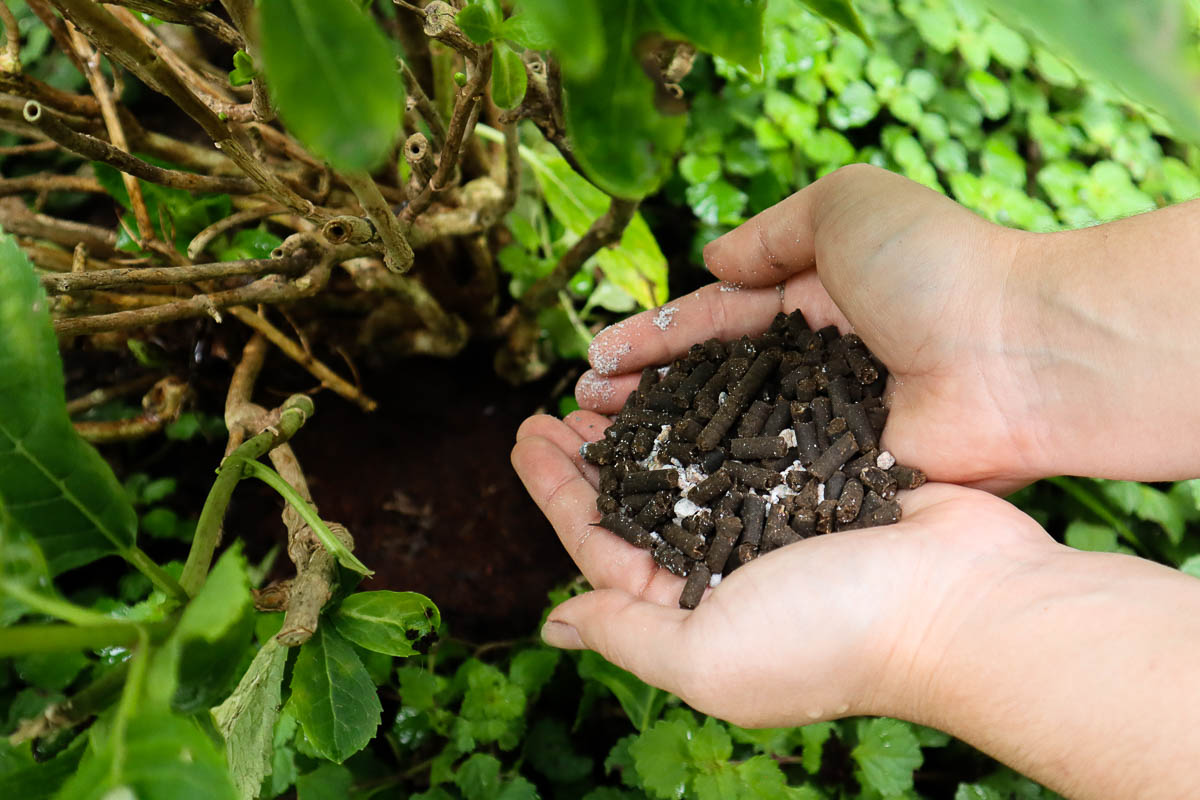
Synthetic fertilizers, although derived from natural minerals, are often designed to produce the concentrations needed for good plant growth at high rates. These formulations, prepared in the laboratory, are made especially for the well-being of the plant and not normally to improve the structure of the soil.
Organic fertilizers are based on the natural decomposition of living organisms such as plants and animal manure. In manufactured organic fertilizers, the products are also manipulated through composting, sterilization, grinding and blending so that the final product is easy to use.
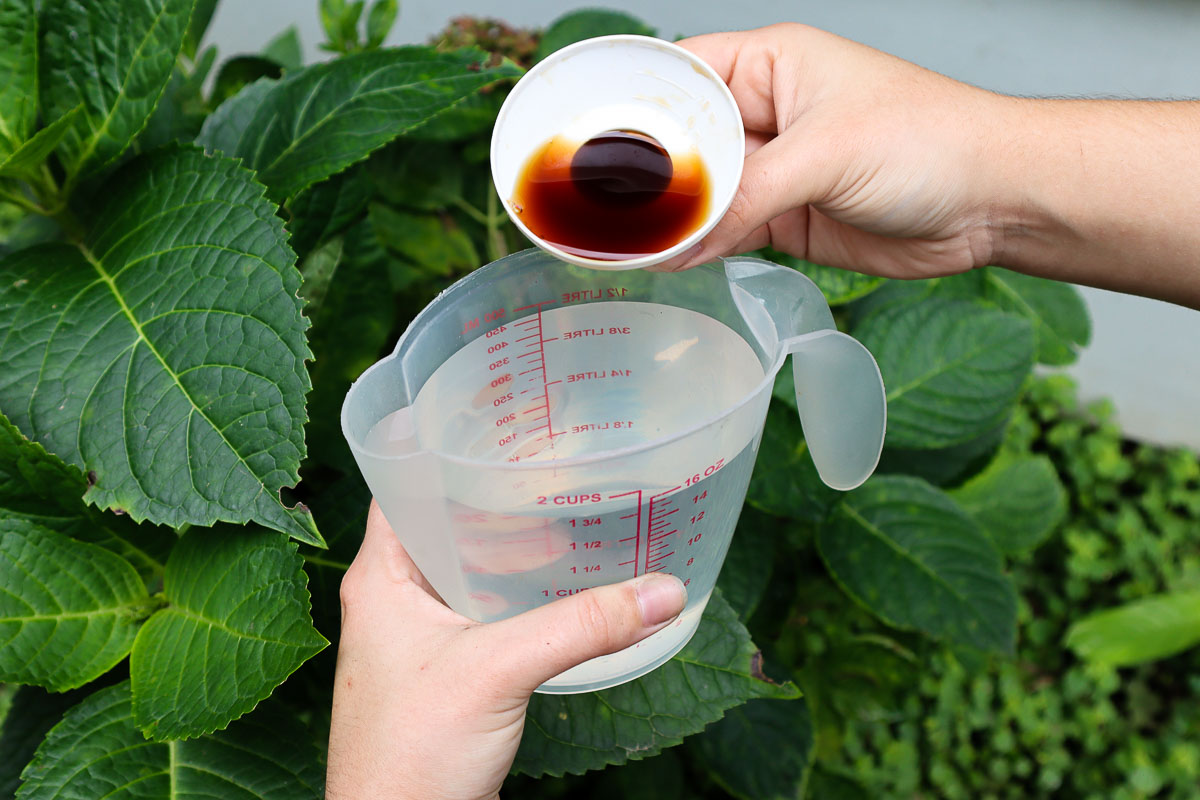
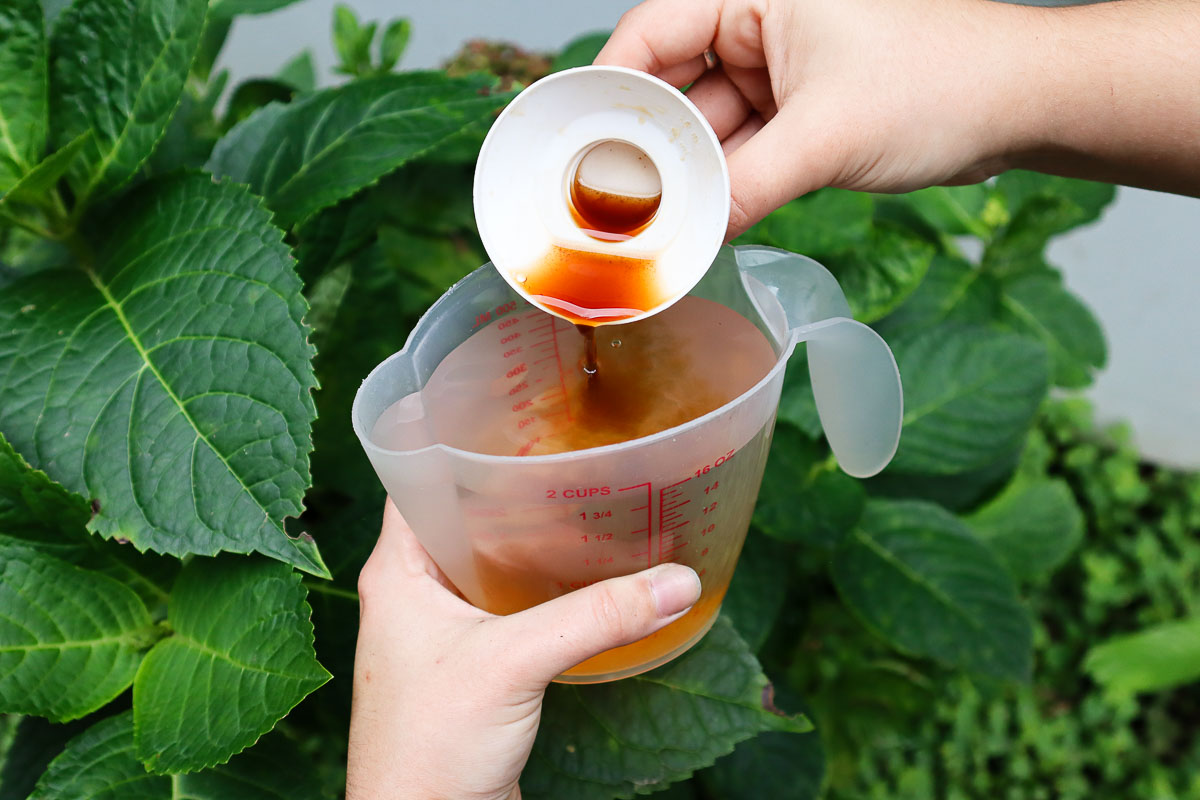
This carbon-based product is released into the soil by microbes, making it more of a soil conditioner than a plant food, but it does have an effect on plant growth nonetheless. Organic fertilizers are not as concentrated as chemical formulas, but they are good for the overall health of the garden.
Special fertilizers for flowers
There are products on the market that are specially formulated for flowering plants such as azaleas, rhododendrons, camellias, gardenias and hydrangeas. These are the best to choose for bigger and better flowers.

The nutrient ratio for these products is generally about 1 part nitrogen (N), 3 parts phosphorus (P), and 2 parts potassium (K). This formula is designed to produce larger, more colorful flowers. Dissolved in water, it is generally used as a foliar feed and compost to reach the roots, applied every 7 to 14 days (depending on the product).
These fertilizers are generally used when the buds are set to increase the number of buds and the size of the flowers. Grows on old wood from mid-summer to fall. Increasing nutrition during this period will help flowering the following season.
This Jacks Classic fertilizer is the perfect ratio to apply to your beginner hydrangea plants. Check the price on Amazon here.
NPK numbers
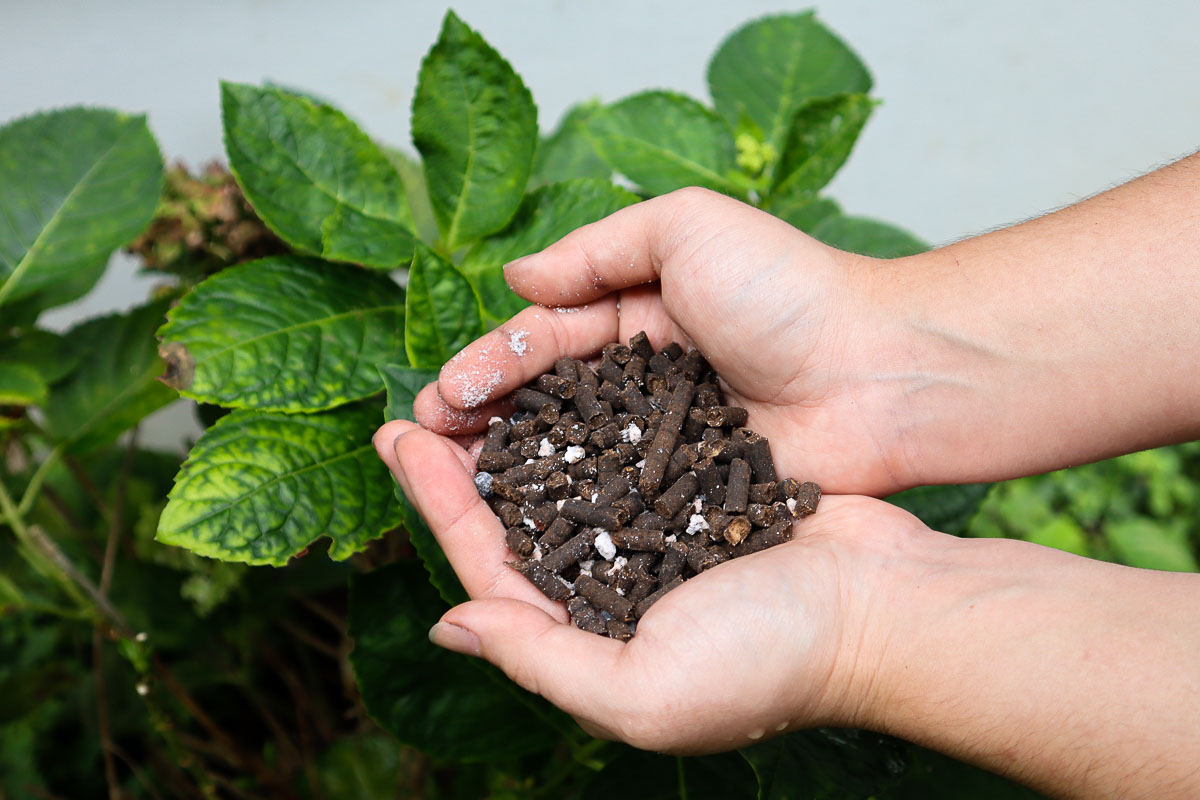
A balanced fertilizer contains equal parts nitrogen, phosphorus and potassium. It also contains a variety of trace elements, called micronutrients, which plants need in smaller amounts. These include elements such as boron, iron, manganese, zinc and others.
For bigger and better flowers, more phosphorus is essential in the NPK ratio. For example, 10-20-10 contains twice as much phosphorus as nitrogen and potassium.
The other ingredients, also used in lower concentrations, also have their role. Nitrogen is essential for leaf growth and potassium strengthens stems and roots and transports nutrients through plants. Without it, the nutrient cycle in the plant will be broken.
The varieties of hydrangeas and their specificities
There are about 75 species of hydrangeas in the world, but only six of them are commonly grown in home gardens. Each also has slightly different fertilizing needs, so be sure to know your species before you begin.
hydrangea macrophylla
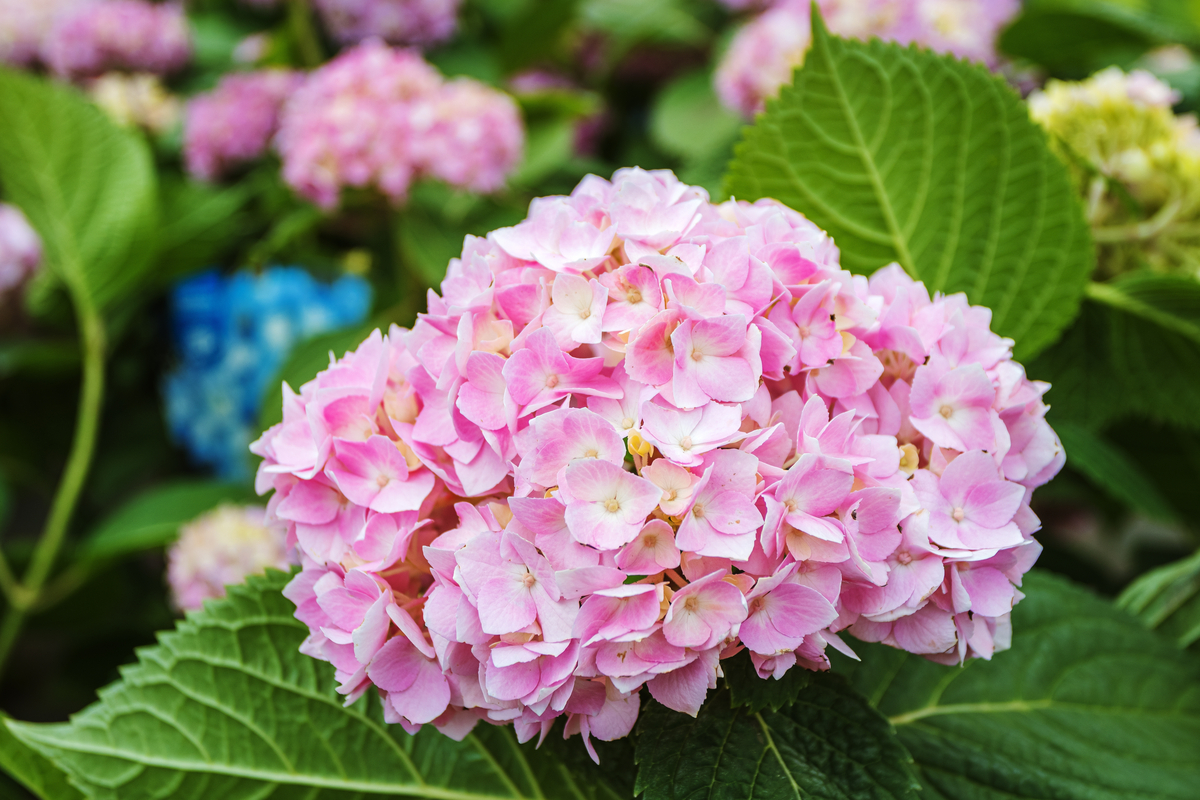
Also called bigleaf hydrangea, this variety has over 600 named cultivars and is by far the most popular species. These plants bloom in late spring and early summer and may bloom again later in the summer. The flowers are usually blue, pink or white, but can also be red and purple.
Soil pH is a good indicator of the color of flowers that will be produced. The flowers are naturally pink, but if there is aluminum in the soil and the pH is 5.5 or less, the flowers will turn blue. There are blue hydrangea products that help increase soil acidity and increase aluminum or sulfur. A mulch of pine bark or peat will also do the trick.

Hydrangeas grown in soil with a pH between 5.5 and 6.5 can be purple, pink, blue, or a combination of all of these colors. Try adding lime to the soil to further support the pink flowers. White flowering hydrangeas tend to stay white in any type of soil.
These hungry plants should be fed every 6 weeks starting in early spring with a balanced fertilizer until growth slows in late fall. Depending on the color of the flowers you want, choose a formula higher in phosphorus to preserve the pink and enhance the color.
If you prefer blue, use a formula low in phosphorus and high in potassium which can help deepen the blue color. You can also use a special hydrangea food as directed. In general, a consistent diet is best for the best flowers.
hydrangea arborescens

This plant is also called Wild Hydrangea or Smooth Hydrangea, native to the eastern United States. These plants should be grown with a minimum of 4 to 6 hours of sunlight, and although they can tolerate some shade, their flowers will bloom best with more sun.
There are pink varieties of this plant, but by far the most popular are the white-flowered varieties like ‘Annabelle’ and ‘Invincibelle’. This variety needs spring feeding with a formula like 15:30:15 which contains double the phosphorus to promote large, bright blooms.
hydrangea paniculata

Also known as panicle hydrangea, this hydrangea has cone-shaped flowers and is more cold-tolerant than other varieties. This is the easiest hydrangea to care for. In fact, you’d rather not overfeed as it can lead to weaker stems.
Feeding a balanced NPK ratio of 10:10:10 in the spring is sufficient for the best blooms. Make sure the plants are in an area that receives 6 hours of sun per day and afternoon shade in warmer climates. The flowers are usually white, but can also be a mix of pink and red as they mature.
hydrangea quercifolia
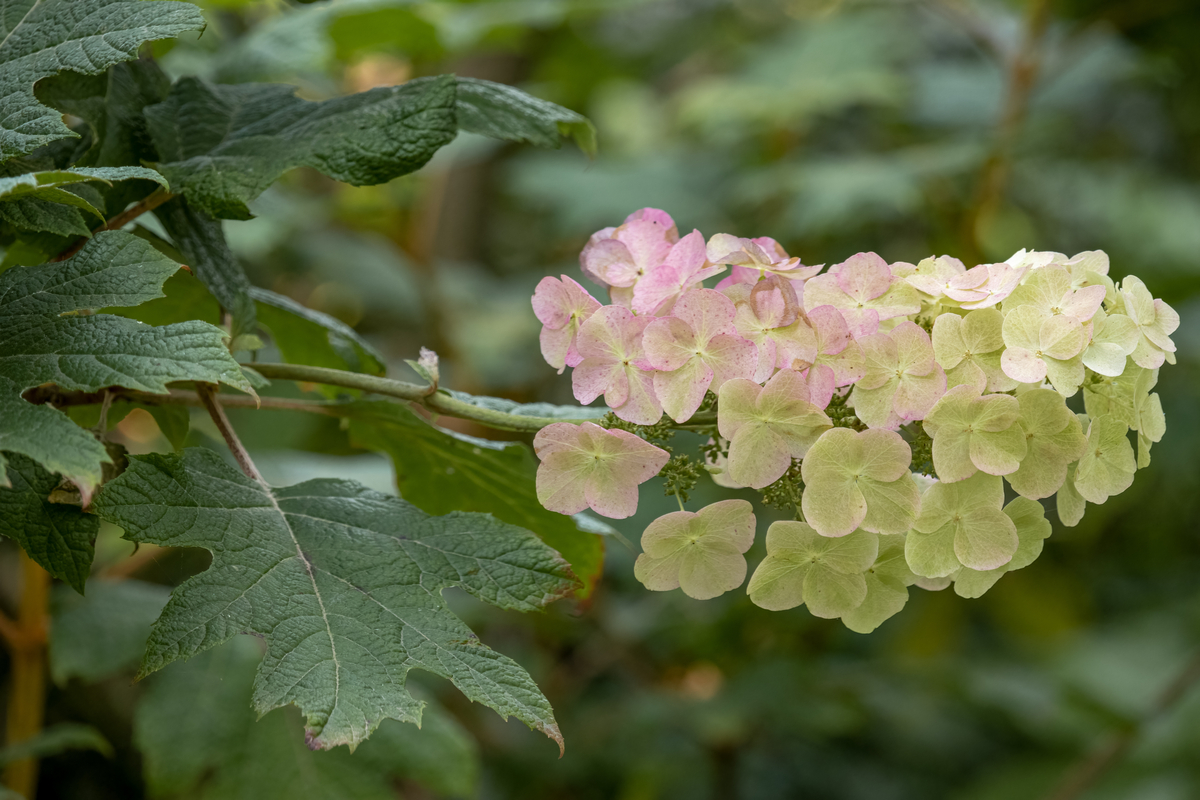
This is the oakleaf hydrangea, named for its oak leaf-shaped leaves. It is native to the southeastern United States and grows in zones 5 through 9. This covers a good range, excluding only the colder regions in the north and the warmer regions in the south.
This large shrub will benefit from a high phosphorus fertilizer such as 15:30:15. Apply in the spring to promote better flowering.
The flowers are cone-shaped and bloom from mid-spring to mid-summer. These white flowers change to shades of pink, purple, red and orange as the season progresses. They prefer some sun to do well, but will also do best with some shade in warmer climates.
abnormal hydrangea subsp. petiole
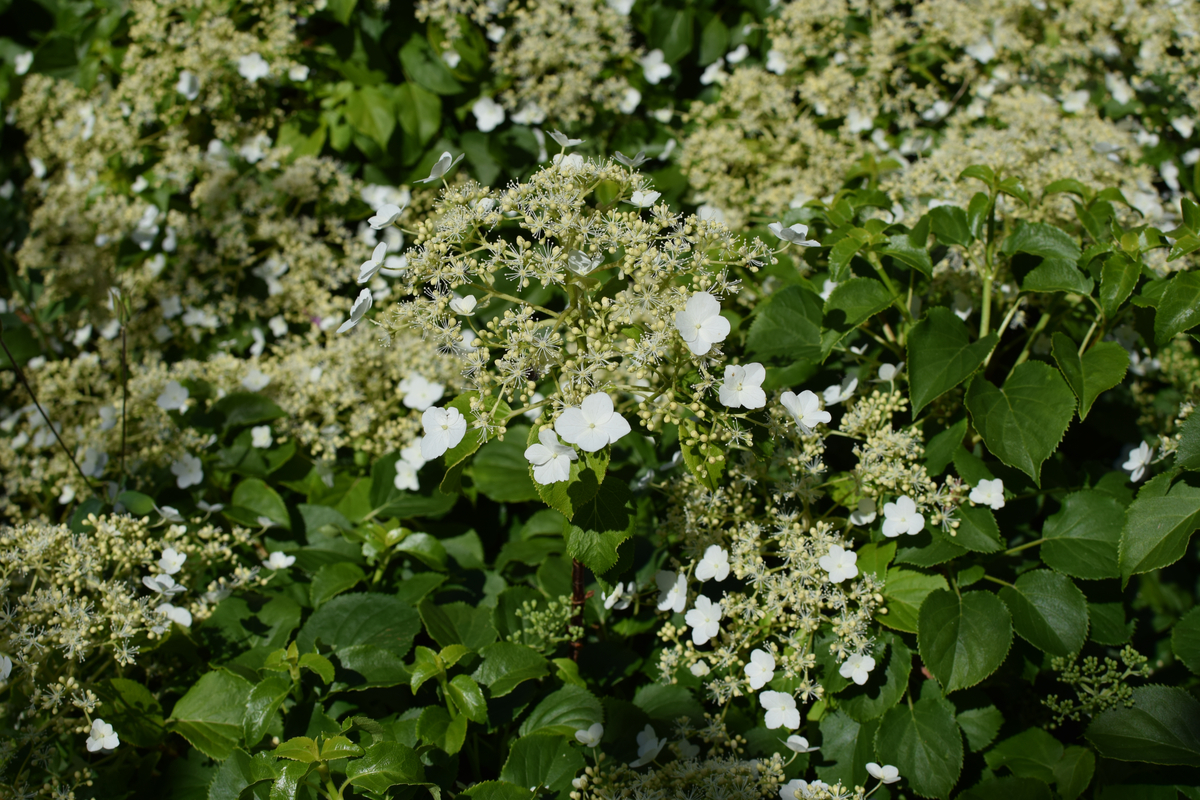
The climbing hydrangea is one of the few grape varieties that exist. This type of hydrangea can climb 30 to 80 feet and 3 to 5 feet wide. Grown in sun or shade, it is quite hardy, planted in zones 4-8. The climbing hydrangea blooms in spring and summer and produces white flowers with shades of cream and yellow.
Feed climbing hydrangeas several times during the growing season. Use a balanced 10:10:10 fertilizer in spring and again in early summer for good growth and flowering.
hydrangea serrata
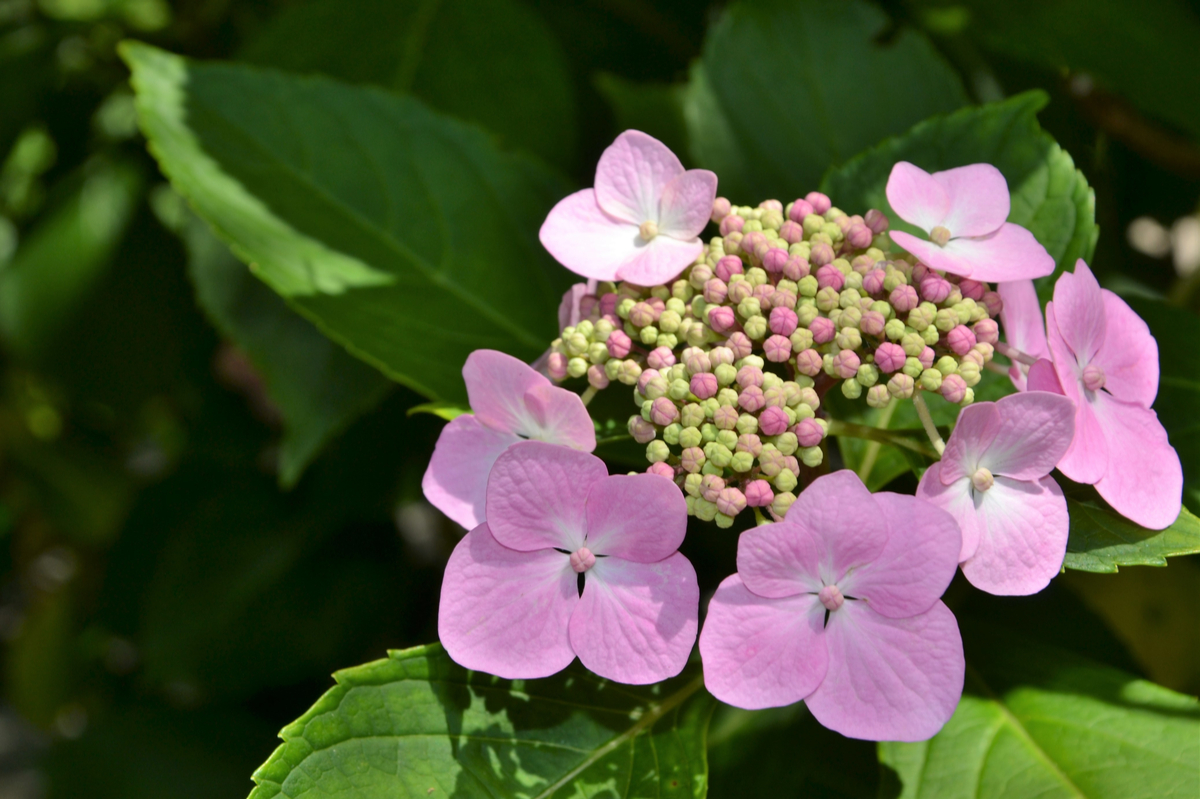
Native to Japan and Korea, the mountain hydrangea prefers a warmer climate and is susceptible to cold damage. What hydrangea macrophylla, the colors of the flowers depend on the composition of the soil. Flowers will be pinker in alkaline soils and bluer in acidic soils. They can also be intermediate tones and even white.
In the spring, use a high phosphorus slow-release fertilizer, like 3:30:15, to ensure you get the best blooms in late spring and summer.
things to consider
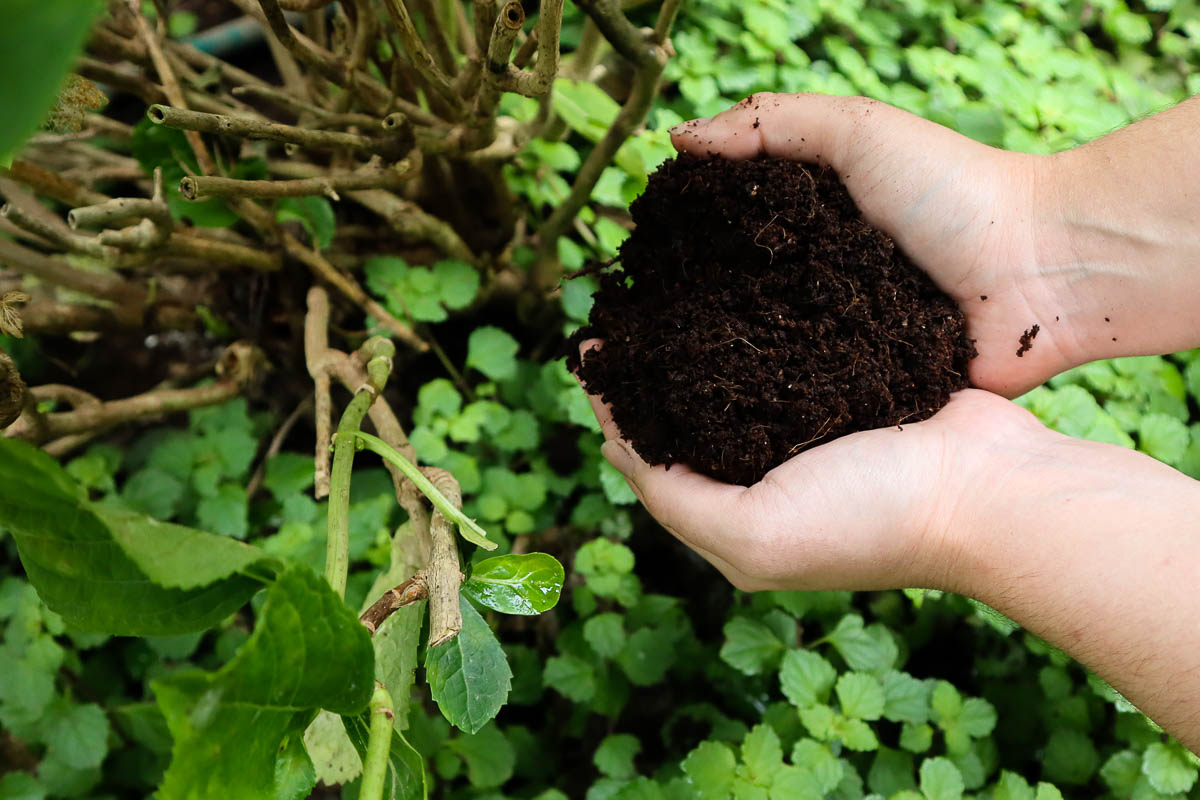
Fertilizer is not the only thing that ensures strong flowering. These conditions are also essential for strong flowering:
- Choose the right cultivar for your climate.
- Before planting, prepare the soil well with the right nutrients.
- Keep the soil moist but well-drained.
- Choose the right spot in the garden for your chosen variety, making sure it gets enough sun and shade for your needs.
Plus, follow maintenance like proper pruning and watering, all essential to get the most out of your plants.