
If you purchase an item through links on this page, we may earn a commission. Our editorial content is not influenced by commissions. Read full disclosure.
The Southern states are full of beautiful plants, and the warm-weather flowering shrubs are some of the most amazing. One of the most beautiful warm climate shrubs is the native plum.
Fast-growing and exceptionally adaptable, the native plum is an easy-to-grow beauty. This lush, fragrant flowering shrub is an evergreen that can bloom throughout the year.
While native plums bloom profusely in summer and sporadically in winter, there are year-round blooms and bright little fruits on this sweet shrub. If you’re interested in growing the native plum, let’s dive deeper:
Get to know the plums of Natal
If you’re not from USDA growing zones 9b-11, you might not know much about native plums (Carissa macrocarp Or Carissa grandifolia).
Although they are popular indoor or outdoor bonsai trees, even in the north, native plum trees cannot survive outdoors in areas where temperatures consistently drop below 30°F. established with protection can survive a few dips at around 25°F. However, in sub-zero temperatures the plant will die back to the roots.
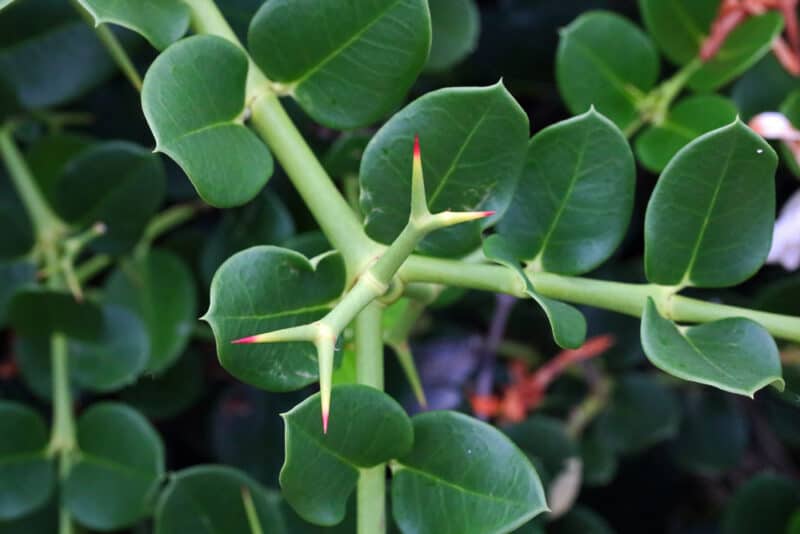
Carissa macrocarp is originally from South Africa; that’s how it gets its name. The Natal region of South Africa is the original home of native plums. This pretty shrub has thick, ovate, glossy green leaves that grow thickly together, often overlapping. Although a few cultivars are thornless, the stems and branches are usually bristly with thorns.
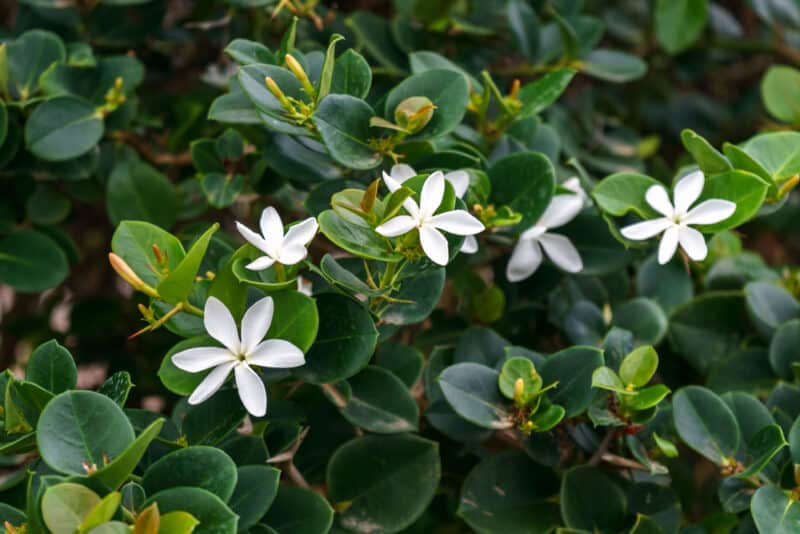
The whole plant is dotted with small white star-shaped flowers. These beautiful flowers give off a sweet aroma of orange blossom. The scent is more pungent at night, making it an ideal addition to patio borders.
Native plums usually reach about 2 to 7 feet tall. Some varieties can grow up to 30 feet, so it’s important to know which variety you’re getting if you don’t want a giant tree instead of a comfortable shrub.
Toxicity and edibility
Natal plums make exceptional jams and jellies. Although the fruits have a thick, waxy skin, they are sweet and flavorful. The taste is usually compared to that of cranberries because it is sweet and tart. But the longer they ripen, the sweeter they become.
Native plums are also rich in vitamin C. You can eat them raw or canned them.
While the ripe fruit is safe to eat and delicious to cook, the rest of the plant has a reputation for being poisonous. This is probably a myth, probably based on the fact that the latex is contained in the plant. Plants containing latex are generally poisonous.
But while the rest of the plant may or may not be poisonous, it certainly doesn’t taste good.
Let’s just say you shouldn’t eat anything but the berries, and keep this plant away from young children and pets who like to taste everything around them.
Best cultivars
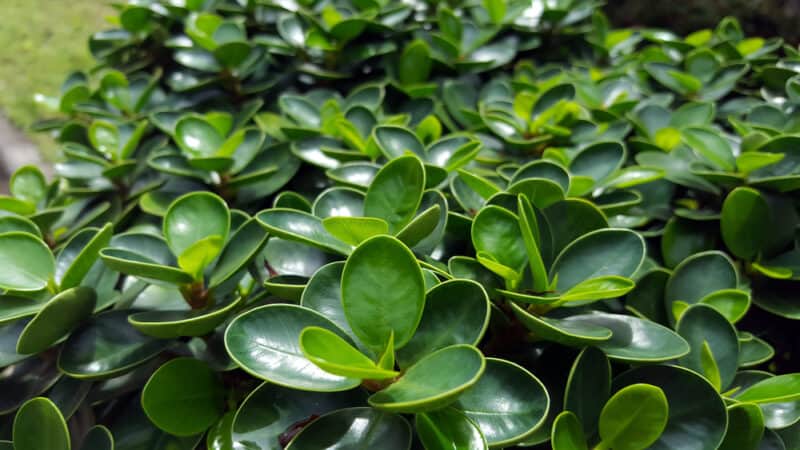
There are many varieties of native plums to choose from. Choose a cultivar that matches your garden and your plans. Here are some of the most notable options.
Torry Pins
This cultivar is perfect if you hope to harvest fruit regularly. It is also famous for its abundant pollen. If you keep bees and want to ensure they have access to pollen all year round, this is an excellent cultivar.
emerald blanket
This low, spreading shrub makes a wonderful ground cover. It is a dwarf variety of native plum that creates a lush green carpet in your garden. It grows to about 24 inches wide and 18 inches tall when mature.
Tomlinson
‘Tomlinson’ is a thornless cultivar that is perfect for tight spaces. It grows to just three feet tall and wide. If you’re worried about growing native plums too close to the porch because of thorns, ‘Tomlinson’ is the variety for you.
Propagation of Natal Plums
The best way to start native plums is to purchase seedlings or root stem cuttings. You can take stem cuttings any time of the year. Cut a few four- to six-inch pieces of healthy stem from an established plant. Treat these cuttings with a reliable rooting hormone and plant them in moist sand or simply put them in a glass of water.
When roots appear, your cuttings are ready for the next step. Keep them healthy and encourage root growth by planting them in loose potting soil with some sand.
Some people like to mimic bonsai soil for growing native plum trees because it drains so well. This soil calls for something like one part peat moss, one part sand, and two parts silt. This soil is well-drained and easy to spread for the roots.
Caring for cuttings
Keep your newly planted cuttings warm. It’s a good idea to place them on a heating pad to maintain an ideal soil temperature of 65°F or higher until your cuttings produce new growth. At this stage, keep the soil moist. Don’t overwater, but don’t let the soil dry out completely.
Once the cutting produces new growth, it can be planted properly. They are really small shrubs now. You can transplant them in the garden or put them in pots to give as gifts.
Planting Natal plum trees
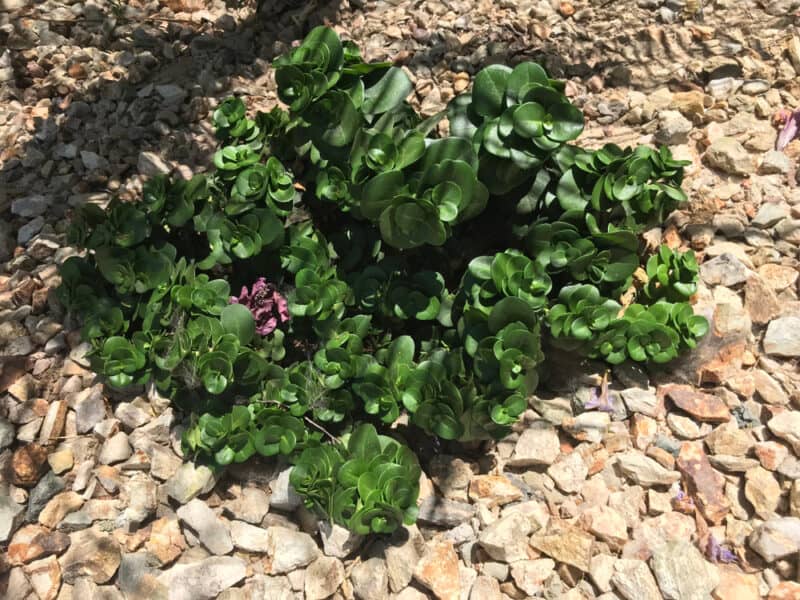
Natal plum trees are exceptionally hardy plants! Your native plums will thrive if you provide a warm, sunny environment and well-drained soil. Although not cold hardy, native plum trees are hardy, fast-growing shrubs with few diseases or pests.
Choose a sunny location with sandy, well-drained soil. Native plums can handle almost any soil, as long as they drain well, but they prefer a sandy environment. These shrubs do not do well in soggy soil, so well-drained soil is essential.
In hot, sunny locations, it’s a good idea to plant your native plums in an area with some afternoon shade.
Watering
Natal plum trees are ideal shrubs for seaside gardens. They thrive in salty oceanside soil and can withstand the salt spray common in seaside areas. With their thick, glossy leaves and fresh white flowers, native plums look fantastic against sand or rocky ground by the ocean.
Once your native plum trees are transplanted, they don’t need to be watered often. Natal plum trees are hardy, drought-resistant plants. They hate soggy soil. Overwatering will lead to root rot problems.
Don’t water too often. Let the soil dry completely before watering. As long as the soil is not too wet, native plums can easily withstand wet and dry weather. If you are growing them as a bonsai and keeping them indoors over winter, it is a good idea to mist the leaves daily and water them when the soil is dry.
Pests and diseases
Natal plum trees have few enemies. There is a tendency for root rot when overwatered. Aphids sometimes infest native plum trees. Check out our guide on how to best deal with an aphid infestation.
Sometimes the Florida red mealybug (Aonid Chrysomphalus) can also affect native plums.
All of these problems are signs that your plant is stressed and struggling. When you have symptoms of stress, first check your watering.
Make sure you don’t overwater, your plant gets plenty of sun, and the weather is comfortably warm for your plants. Comfortable temps are in the mid 60s and above during the day and 50 to mid 60s at night.
Natal plum harvest
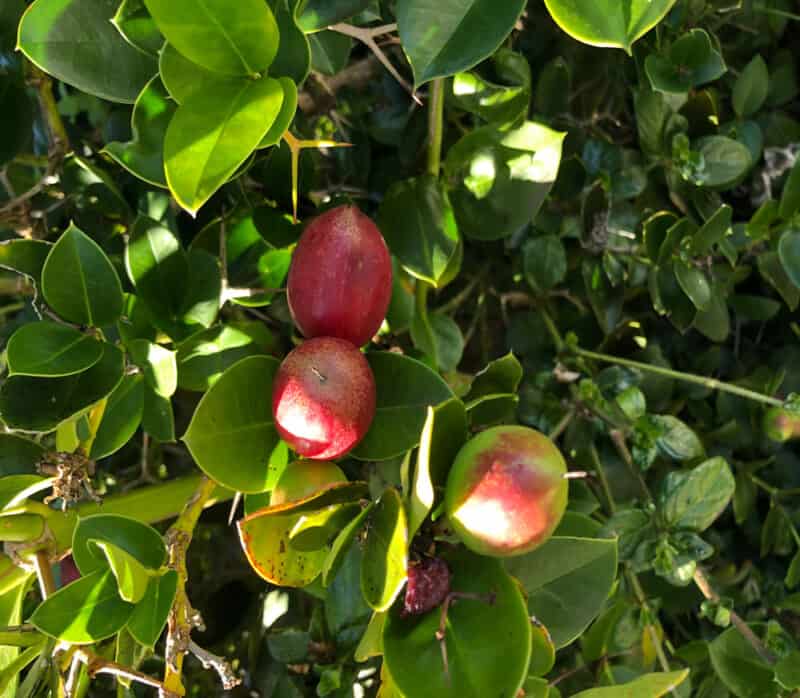
These small red fruits ripen individually throughout the year and can only be kept for one week in the refrigerator. So gather enough to make jam, jelly, chutney or any other preserve and use it immediately. Otherwise, the birds will take advantage of it for you.
Although native plums are small—only about two or three inches in diameter—a few shrubs can produce more than enough fruit to bake pies and preserve preserves year-round.
The fruits themselves have seeds, not pits. Your plants will need about two years of growth before they produce fruit, but once they do, the fruit will continue to ripen all year round.
Harvest the fruits when they are ripe – pink or red and sweet. Then put them away until you can use them. They are great in salads or sliced into a breakfast plate with duck eggs and toast.
Unfortunately, although they smell good, native plum blossoms are not safe to eat. Leave them on the plant to become tasty fruits.
Trimming and pruning
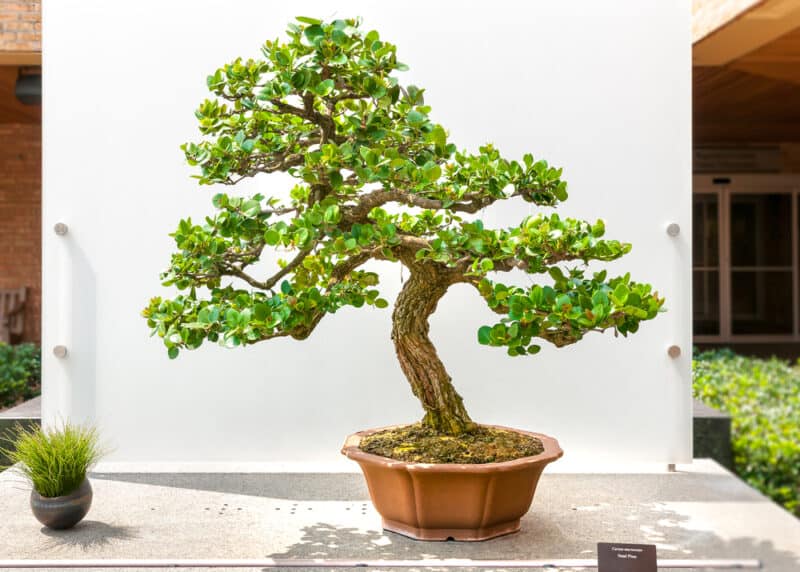
Natal plum shrubs can get quite large. They are easy to trim into hedges or fences and tolerate regular pruning well. This is why people like to prune them into bonsai. They do well in containment and fitness.
Do your main pruning in the fall. Now is the time to give your native plum a structured and manageable shape.
Whether you use it as a hedge or want easy access to fruit, a pruned shrub is a happy shrub.
Don’t over-trim the plant, but if you over-trim most healthy native plum trees will sprout again quickly in the spring.
If there are dead branches, especially after winter, cut them off as soon as you see them. Natal plum branches can become brittle when they die, and the sharp thorns are dry and hard, making them easier to cut when harvesting fruit.
Was this article helpful?
Yes No ×
We appreciate your helpful feedback!
Your response will be used to improve our content. The more feedback you give us, the better our pages will be.
Facebook pinterest