Like many species of Alocasia, the Alocasia Silver Dragon (Alocasia baginda), is characterized by its impressive thick heart-shaped foliage, the silver-green tint of the leaves and the textured green venation. Plus, it’s relatively compact, making it ideal for growing in a small space. In this article we will see how to propagate, cultivate Alocasia silver dragon and its care.
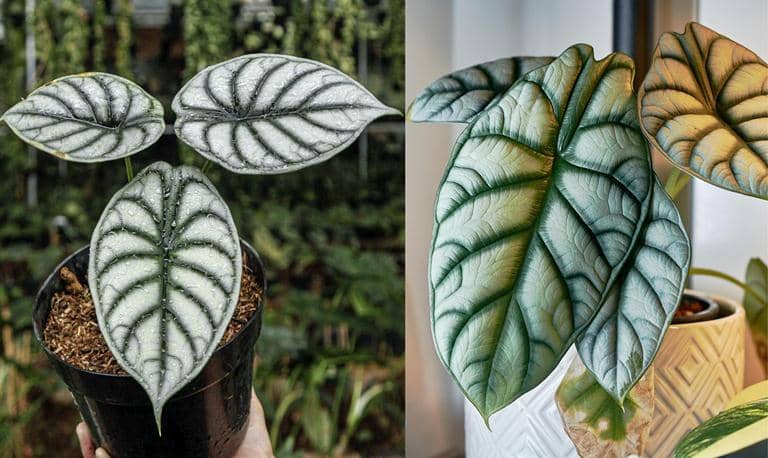
Basic Description
- Common name: alocasia silver dragon
- Botanical name: Alocasia baginda ‘Silver Dragon’
- Family: Araceae
- Plant type: Herbaceous, Perennial
- adult size: Up to 90 cm high
- Sun exposure: Partiel
- Soil type: well drained
- Soil pH: Neutral, alkaline
- Flowering period: Spring, summer (very occasional)
- flower color: White
- Toxicity: Toxic to people and pets
Like other alocasias, this beauty is not the best choice if you have curious cats and canines at home. It is toxic to people and pets if consumed orally.
How to propagate Alocasia Silver Dragon
Propagation of these plants is not as simple as taking a stem cutting, but it is possible by dividing the rhizomes or clumps into mature plants that are at least a few years old:
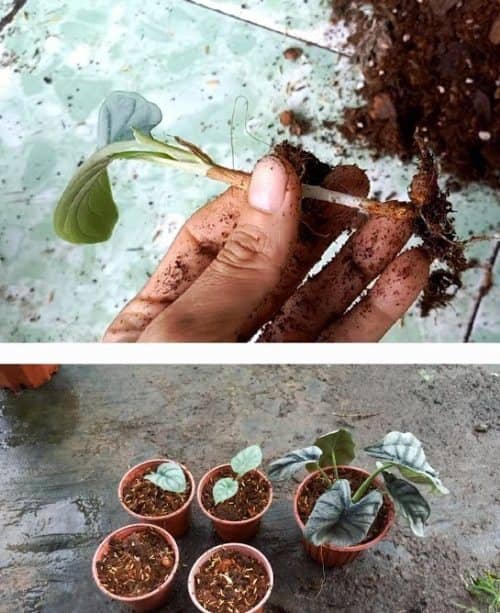
Wait until the mature, healthy plant has come out of dormancy in the spring before attempting propagation.
Always wear gloves when handling plants, as Alocasia silver dragon contains calcium oxalate crystals which irritate the skin.
Carefully remove the plant from the pot and expose the rhizomes by gently shaking the soil from the roots.
Use a sharp, sterile knife to cut the healthy rhizomes from the central stem of the plant. Cut them 2 cm or more long and make sure they have buds of future growth.
Place the rhizome cuttings on the surface of moist (unsaturated) well-drained potting soil, do not bury them, just cover them lightly with soil.
Keep the cuttings in a warm, humid and bright place but not in direct sunlight. And remember to always keep the soil moist until new shoots start to grow.
If successful, these shoots should appear a few weeks after the roots are established.
Once the roots are well established, transplant them using an evenly moist and well-drained potting soil.
Growing Alocasia Silver Dragon and Its Care
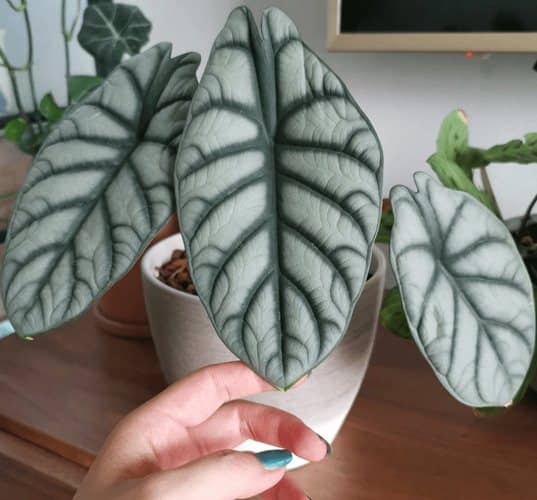
Alocasias aren’t always the best houseplants for beginners, and the silver dragon is no exception. However, this demanding plant can thrive if given the right levels of light, warmth and humidity. The key is to mimic the conditions of its native rainforest as closely as possible. Let’s see how to grow alocasia silver dragon.
Water
Ideally, you shouldn’t let the potting soil around your silver dragon alocasia dry out completely. It is best to let the top two centimeters of soil dry out before watering the plant thoroughly.
However, don’t panic if you forget once in a while. This variety is more tolerant of dry conditions than other Alocasias, and you may notice that the leaves are slightly distorted instead of droopy.
Try the bottom watering method if you are using a pot with good drainage holes. Place your potted plant over a small container of water and let it soak for about 15 minutes. Drain the excess water from the pot, then put it back in its favorite place.
Fertilizer
Alocasia silver dragons tend to feed heavily. Although a more compact variety, they will appreciate the application of a balanced liquid fertilizer every two weeks during their spring and summer growing season.
They also appreciate calcium-rich nutrients, such as the addition of bone meal. To look at: How to Make Compost and Liquid Organic Fertilizers
Light
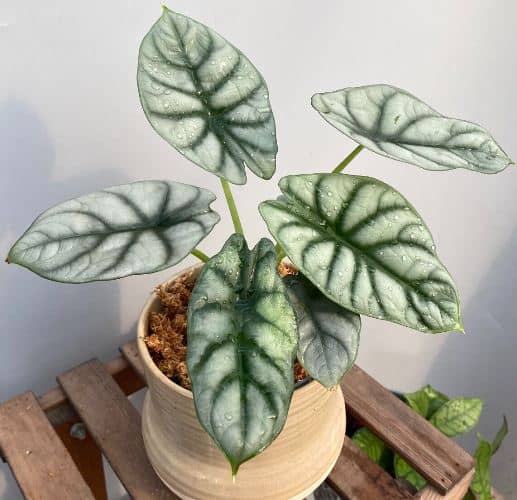
In their native rainforests, these plants bask in dappled light on the jungle floor. When growing silver dragon alocasia in your home, provide bright, indirect light.
Too much exposure to direct sunlight can scorch the leaves, but too much shade results in lanky, long growth. Frequent rotation of the plant helps promote even foliage growth.
Usually I
To avoid root rot, it is essential to use a well-drained potting mix rather than potting soil.
Using equal parts coir (or sandy loam), perlite or pumice, and orchard bark will keep things nice and loose.
AAEL (Lightweight Expanded Clay Aggregate) is a practical, durable, porous, and lightweight potting alternative that Alocasias perform well in.
temperature and humidity
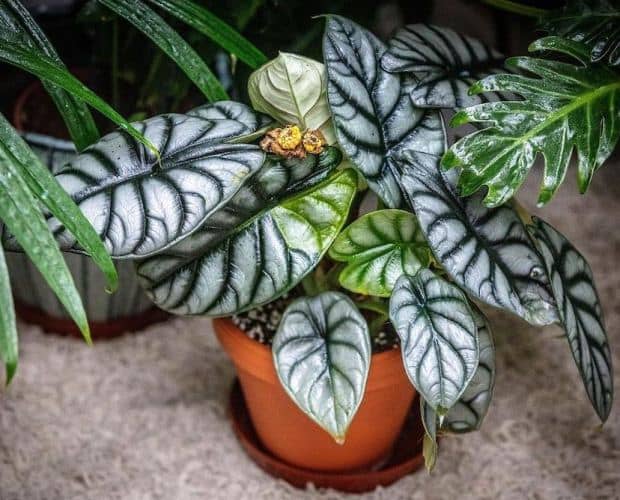
Do not leave your alocasia silver dragon next to air conditioners or heaters at full volume. These plants need high humidity to survive. Anything over 50% should be fine, but they thrive best when humidity levels are between 60% and 80%.
Using a humidifier and placing it in the right place in the house (like a bathroom) helps provide the humidity conditions they like.
As you’d expect, these tropical plants need consistent warm temperatures. Prolonged exposure to temperatures below 12 degrees Celsius can lead to torpor of the plant.
Cut
Alocasia silver dragon has no onerous pruning requirements. Cut dead or unhealthy leaves.
You can also cut off any insignificant spathe-like flowers that appear. This allows energy to be redirected to the most visible foliage.
Common pests and diseases
Although not prone to many diseases, moisture-loving pests can be the bane of Alocasia silver dragon lovers.
Mite infestations are not uncommon. Regular inspections allow early action to be taken with the application of insecticides before a major problem arises.
Transplant Alocasia Silver Dragon
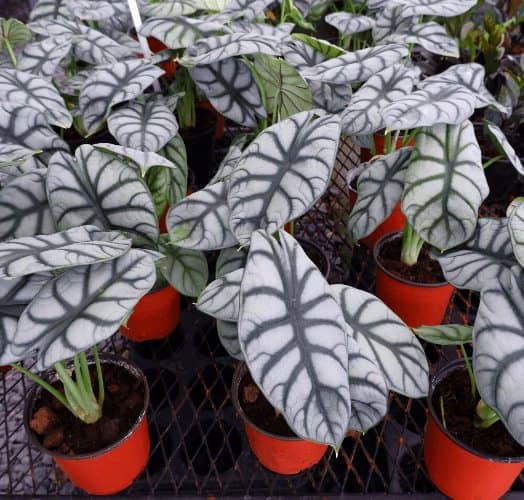
These plants can handle being lightly rooted, so they won’t need repotting too often.
If the roots are starting to come out of the pot’s drainage holes, that’s a good indicator that they need to be repotted. Transplanting out of dormancy once every two to three years is usually more than enough.
Select a pot with a diameter of about 2.5 cm larger than the original pot; over pruning can contribute to root rot because the soil retains too much moisture. Water thoroughly after transplanting.
Common issues with Alocasia Silver Dragon

curly leaves
Lack of water and moisture are the most common causes of curled leaves. Don’t let the potting mix dry out completely and consider using water-filled pebble trays, a steam room, or even a humidifier to increase humidity levels.
yellowed leaves
Finding the right balance with humidity levels can be tricky with these plants. If you soak them with too much water or don’t have the right levels of drainage with the potting soil, your plant could suffer from root rot. A first symptom is the yellowing of the leaves.
falling leaves
Don’t worry if a few mature leaves drop off during the fall and winter when your plant is dormant.
However, if you don’t create that rainforest environment for your plant, it will inevitably start dropping some of those lovely, healthy-looking leaves during the growing season. Do not forget that they need diffused light, an even temperature and high humidity.
Share it on the networks: