You have surely already tried on another occasion the jalapeno pepper. This vegetable is very popular in various cuisines, especially in Mexico. It is very striking that sometimes it can sting more than others, why so?
In this article we will explain what exactly is the jalapeño pepper and how is it grown. Additionally, we will discuss how spicy is it and why it can sting more or less. If you’re even feeling a little curious, I recommend you keep reading.
What is the jalapeno pepper?

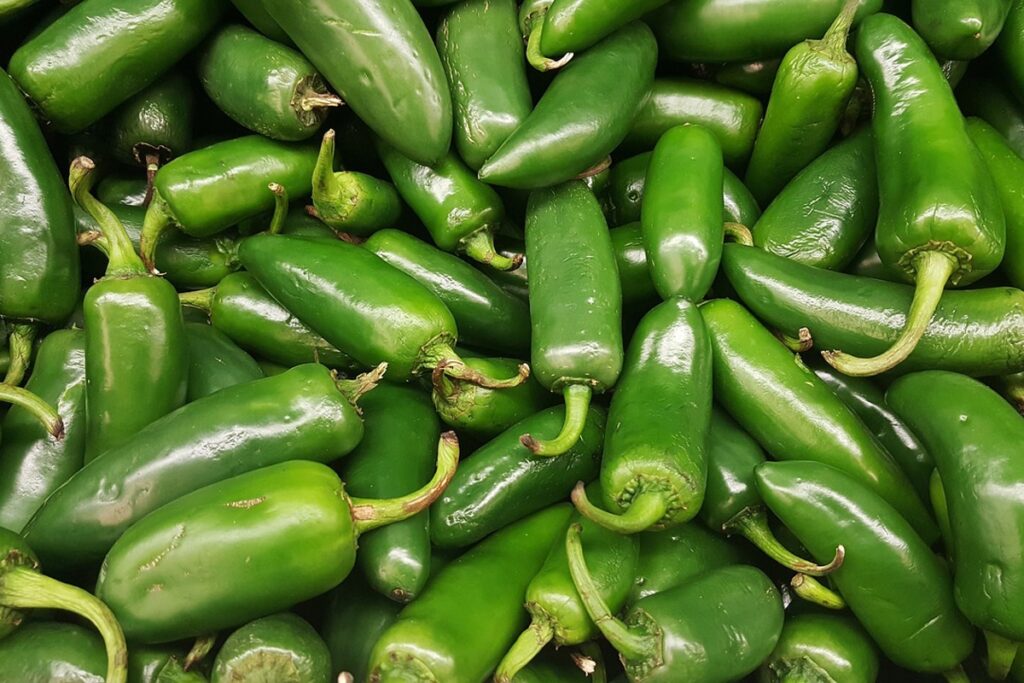
The jalapeño pepper receives this name because its traditional production is carried out in Xalapa, a Mexican city located in Veracruz. It is also known as chile cuaresmeño and It is a variety of pepper that is the most consumed and cultivated on the American continent. Only the country of Mexico devotes more than six thousand hectares to the plantations of this vegetable, the most productive regions being the region of Delicias and the region belonging to the basin of the Papaloapan river. The plant belongs to the genus Latinwhich in turn is part of the nightshade family.
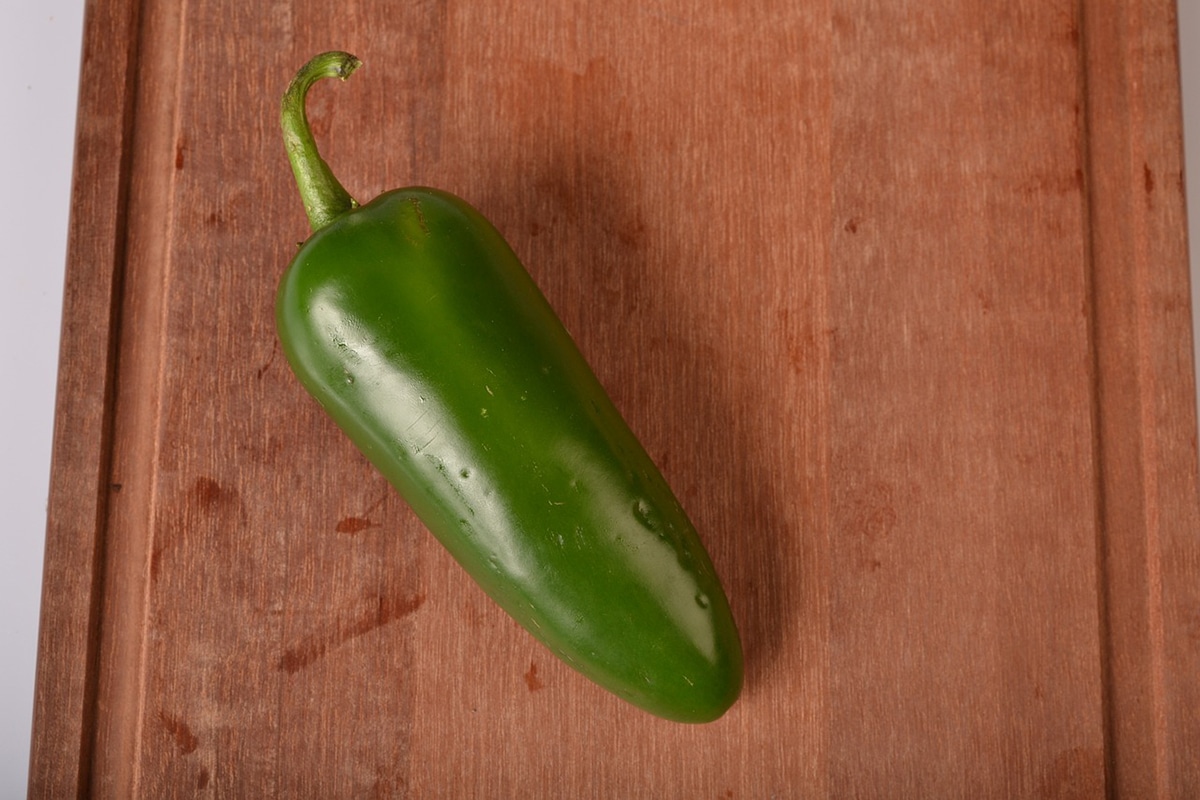
Regarding the size of the jalapeño pepper, it is generally about ten centimeters long, while its base is generally about three centimeters wide. It is an elongated, fleshy and firm vegetable. Given its beautiful appearance and its high aromatic level, it is not surprising that it is highly appreciated in world gastronomy. Of course, it’s not for everyone’s palate. Those who are less spicy should avoid eating this vegetable.
The jalapeño pepper is used in cooking before and also after its maturation. It should be noted that a high percentage of the total production of this vegetable It is used for drying. It is a method of preserving food. It is basically a process by which water is extracted from the vegetable. Jalapeño peppers that have gone through this process are called “chipotle peppers”, which would translate to “smoked peppers”.
Cultivated
As already mentioned, the main production regions of jalapeño pepper are Delicias, which is in the state of Chihuahua, and the Papaloapan River Basin, which is in Veracruz. There, not only cultivars of this species are planted every year, but also various hybrids. In areas where these plants are planted under irrigation, yields are very good, reaching yields of around 25 tonnes for each hectare planted.

Related article:
How are peppers grown?
Outside of these major jalapeño pepper producing regions, there are also others where cultivation is rather small scale. These are a few small areas in the states of Chiapas, Sinaloa, Sonora, Nayarit and Jalisco. The total area they allocate for growing jalapeño peppers is around one thousand hectares.
As is often the case with cultivars of other pepper varieties, the jalapeño pepper is also usually planted before the onset of the rainy season. In addition, high temperatures are very good for this vegetable. Regarding the harvest, it generally takes place about seventy days after sowing. Each plant usually yields between 25 and 35 peppers. It should be noted that this vegetable is prone to alternaria blight or gray spot, so preventive measures and monitoring of the crop are highly recommended.
What is the temperature of the jalapeno pepper?

Now let’s get to a question that many of you are probably already asking: how spicy is the jalapeño pepper? In general, we could say that it is tata from a variety of peppers with a medium level of spiciness. On the Scoville scale, a measure of how hot chili peppers are that we’ll talk about later, the jalapeño has points between 3,500 and 3,600.
However, it should be noted that the intensity of the itching is not always the same. It varies according to the variety of the seed and the characteristics of the environment and the terrain. The cause of itching is an alkaloid called capsaicin. Generally, this chemical compound is concentrated mainly in the seeds and in the veins that are inside the pepper. Therefore, if these elements are removed before consuming the jalapeño pepper, the spiciness effect will be considerably less.
It must be said that capsaicin is not only used to make spicier dishes. It also has some medicinal properties. which make it a very popular element for the production of drugs. Among these properties are its analgesic, anti-cancer and antioxidant effects. Additionally, it is also used to produce tear gas.
How does the Scoville scale work?
Before, we commented on the score that the jalapeño pepper has on the Scoville scale. But what is this scale exactly? Well, it’s a measure of the heat that chili peppers, chili peppers, and peppers have. That is to say: Fruits of plants which belong to the genus Latinwhich are those that contain capsaicin. The number indicates the amount of capsaicin that may be present and is represented in Scoville SHU units (Scoville Thermal Units). Many spicy products, such as sauces, use this measurement as an indicator.

Related article:
What is the Scoville scale?
But how exactly does the Scoville scale work? How do they get these numbers? To determine the amount of capsaicin in chili peppers, an extract of capsaicin is diluted in sugar water. This process is repeated until no panel of examiners can detect even a trace of spiciness. It is therefore the degree of dissolution of the initial extract, i.e. in other words: The number of times it had to be diluted. So the higher the number, the hotter the pepper. As you probably already imagine, this method can be very inaccurate, since the test performed is based on the subjective opinion of human individuals. For this reason, although the scale sometimes indicates that something is not very itchy, a person who is not used to it can notice it a lot.
Do you like it spicy or rather not? Otherwise, eating jalapeno peppers can be Russian roulette.