

Image – Wikimedia/Nasenbar
Have you ever wondered if a redwood tree is viable in Spain? Well, to start the article, I will tell you that it is. In fact, on the peninsula there are several places to see these trees and enjoy their beautylike in Cantabria or Valladolid (if you stay until the end I will tell you where they are in case you want to visit them).
But, as I always like to tell you – and you can call me boring for it if you like – is that all plants have their needs that we need to know if we want them to thrive. Yes the sequoya in Spain can be very grateful in the north of the peninsula, but extremely demanding in the Mediterranean region. We will now see why.
Where does the redwood come from?
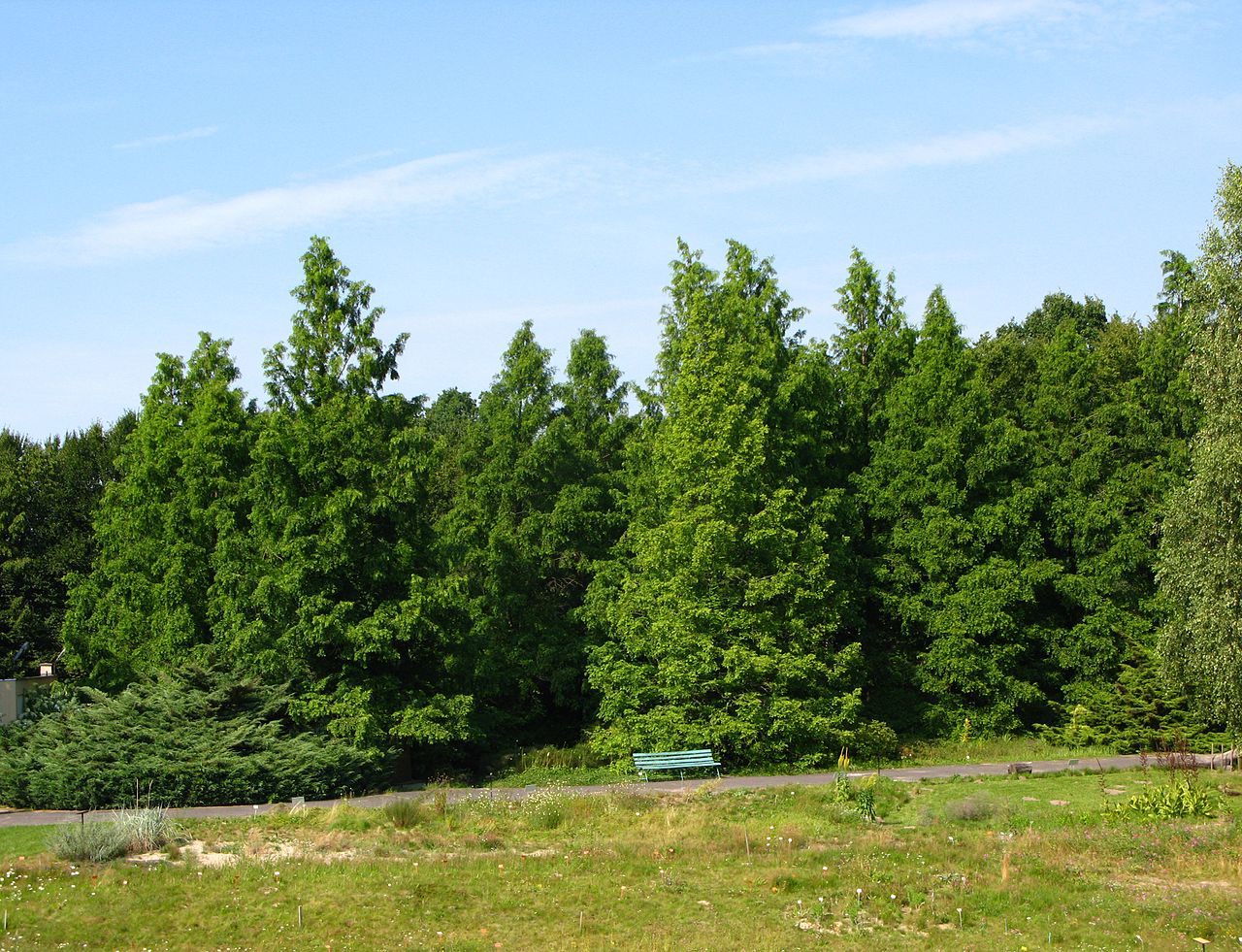
Image – Wikimedia/Crusier
Let’s start at the beginning. redwoods are very slow-growing conifers found primarily in the United States (to be more exact, in the Sierra Nevada of California), but there are also very particular ones, the Metasequoia, which thrive in China.
How is its habitat? well these trees are found in high altitude areas, usually over 1000 meters above sea level. Moreover, the air humidity is high and it rains with some frequency except during the summer which is rather dry. If we talk about temperatures, these are relatively mild in summer, but in winter there are heavy snowfalls.
As for the soil in which they grow, it is generally rich in organic matter, and have a pH between acidic and slightly acidic (i.e. it is around 4 and 6.5 on the pH scale).
What do you need to live well?
By “living well” I mean exactly that, living without having to make excessive efforts to continue to exist.. I’m not talking about “surviving” like any plant that is in a place where the living conditions are very different from what it would have in its natural habitat.
And it’s important to talk about it because, as I said at the beginning, the sequoya will be beautiful in the north of the Iberian peninsula, for example, but in the south of Mallorca it will have many, many problems. So Let’s review the needs of this tree:
The climate must be temperate
Extreme temperatures are expected to be around 30°C maximum in summer and -15°C minimum in winter. It is not a tree that can withstand the extreme heat of the Mediterranean (i.e. 35-40ºC), nor in a place where the climate was cold. In addition, the air humidity must be high, either due to frequent rains and/or because the sea (or rivers) is nearby.
Soil should be rich in organic matter
It will not be able to grow in poor soils, where only the seeds of some grasses and few others can germinate. Nor in those that have been overexploited or eroded. In fact, it is best planted in soils with a spongy texture, with a pH between 4 and 6.5.
You can’t run out of space
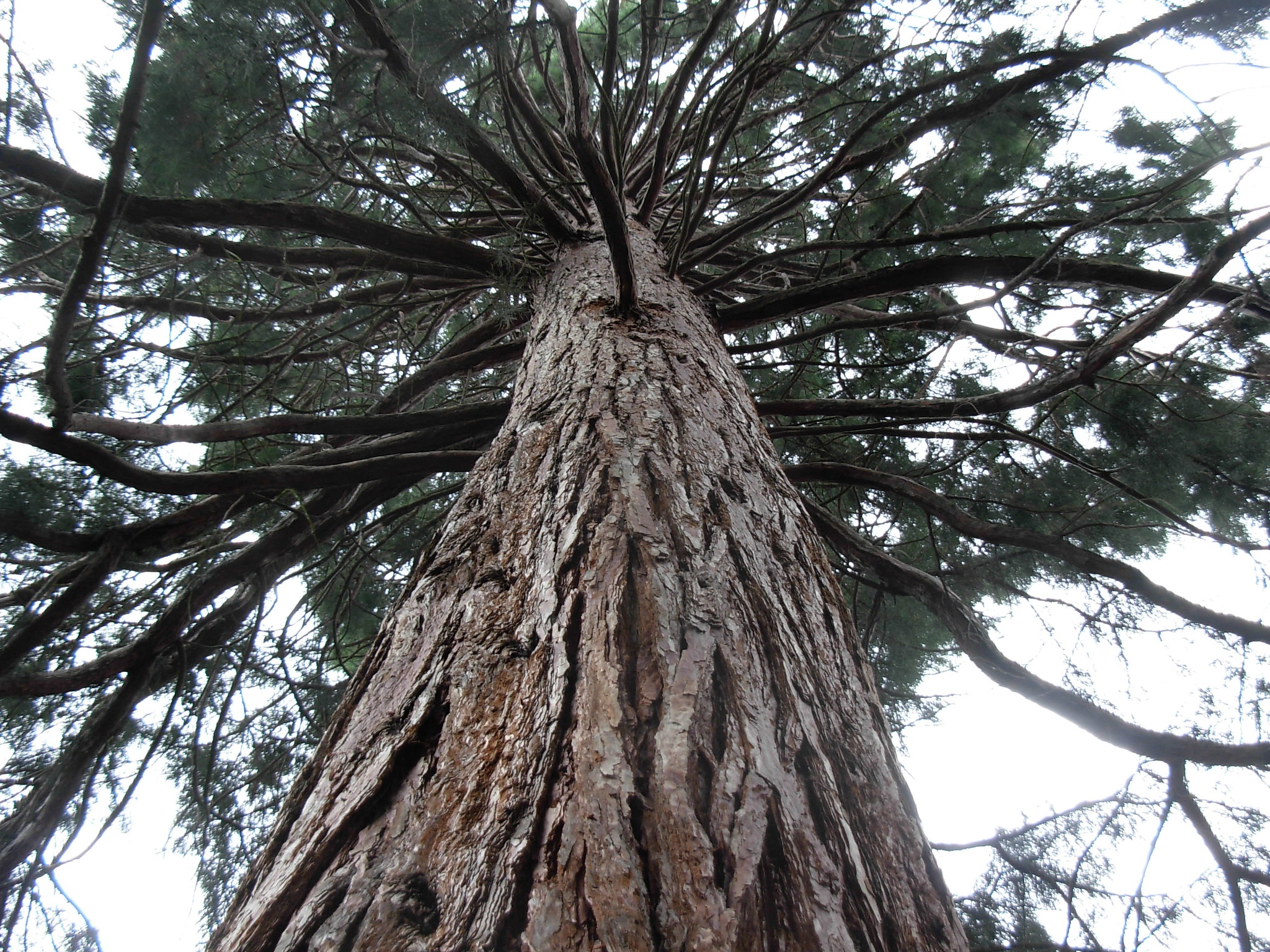
Image – flickr/brewbooks
Yes, I know that the redwood takes its time to grow. But keep in mind that it is a tree that grows very tall, and for this it will need enough space to develop. It’s more, I wouldn’t recommend planting it within 10 meters of pipes and other things that could break.
As its growth rate is very slow, you can grow it in a pot for years. But also, it will be necessary to see if the roots come out of the holes of the pot every 3 or 4 years to plant in a bigger one if necessary.
If it does not rain, it will have to be watered
It does not tolerate drought. It is important to keep this in mind as the lack of rain is one of the reasons why it cannot thrive in some areas. If high temperatures combine with a lack of water, the redwood will have a very bad time.. For this reason, it will have to be watered from time to time so that the soil always remains slightly moist.
Where does the redwood grow in Spain?

Image- Screenshot from Arbolesconhistoria.com
On the map above you can see where to find redwoods in Spain (or more precisely in the Iberian Peninsula, because due to the climatic conditions they cannot grow in either of the two archipelagos). At first glance you can already see that where they feel best is in the northern half of the peninsula.since the influence of the sea and the temperate temperatures throughout the year, make the climate suitable for them.
But they are also found in Valladolid, Madrid, or even in isolated points of the Mediterranean region, like Valencia or Granada. If you want to know exactly where, here I leave you the link of the map because I found it a very interesting tool that can be very useful if you want to see these trees in Spain.
As you can see, the redwood is a tree that can be very demanding, but it is also very beautiful and certainly worth growing if conditions allow.